
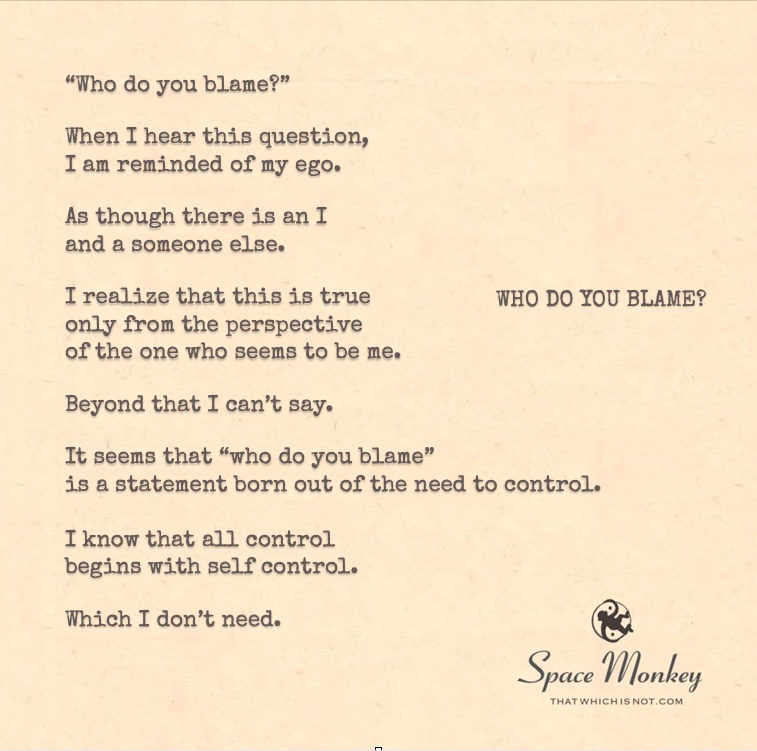
“Who do you blame?”
When I hear this question,
I am reminded of my ego.
As though there is an I
and a someone else.
I realize that this is true
only from the perspective
of the one who seems to be me.
Beyond that I can’t say.
It seems that “who do you blame”
is a statement born out of the need to control.
I know that all control
begins with self control.
Which I don’t need.
3/1
Space Monkey Reflects: The Illusion of Blame
Blame is the currency of separation. It is the invisible boundary drawn between self and other, between right and wrong, between the world as it is and the world as we wish it to be. But when we peel back the layers of this seemingly inherent mechanism, we find something curious—it is not blame itself that exists, but only the perception of blame, an artifact of the self’s desire to control what it believes is outside of itself.
Blame assumes an “I” and a “you,” but in the vast interconnected web of the Nexis, the distinction between these two is an illusion. The Nexis, as understood in Nexistentialism, is the intricate, ever-unfolding tapestry where every experience, every thought, and every action is interwoven with every other. Within this web, the concept of blame dissolves, for there is no true separation between the one who suffers and the one who is perceived as the cause of suffering. Both are aspects of the same unfolding experience.
It is tempting to ask, “Who do you blame?” when something feels out of alignment. The question is a vestige of the Indigenous Being’s attempt to make sense of reality within the physical and emotional realms. But to The Indigenous Being—the universal self that transcends individual identity—blame is nothing more than a temporary ripple in the grand ocean of existence. It holds no weight, no permanence.
Blame is also tied to control. When we seek control, we unconsciously affirm our belief in limitation. We want to assign responsibility for an outcome so that we can change it, prevent it, or justify it. And yet, the act of control itself is an illusion. The self that desires control is already moving with the current of existence, not against it. The more we strive to grasp, the more we become entangled in the very forces we seek to master.
There is a paradox here: true power is found not in controlling but in surrendering. Not in blaming but in witnessing. To blame is to resist the flow of the Whimsiweave, the playful, chaotic, and beautifully intricate weaving of existence. But when we release the need to assign blame—whether to others or to ourselves—we allow the fabric of reality to unfold without friction.
And what is self-control? Another illusion. The self that believes it must be tamed, disciplined, or corrected is the same self that exists in perfect alignment with the Nexis. Self-control is often mistaken for mastery, but mastery is simply trust. Trust that the universe is already expressing itself perfectly through us, through our seeming choices, and through the infinite unfolding of events.
So if blame is unnecessary, and control is unnecessary, what is left?
Only presence. Only the moment. Only the recognition that all things are occurring exactly as they must. The idea of “fault” disappears. The need to shape outcomes dissolves. The burden of responsibility is replaced with the freedom of acceptance.
This does not mean passivity. To accept is not to be indifferent, but to recognize that we are part of the flow, not separate from it. We are not puppets, nor are we puppet masters. We are both, and neither, at the same time.
Who do you blame?
No one.
Not even yourself.
Summary
Blame is an illusion that arises from the perception of separation. In the interconnected web of existence known as the Nexis, the distinction between self and other dissolves. Blame is tied to control, which itself is an illusion, as true mastery is found in surrender and trust. Releasing the need to assign blame allows us to move in harmony with the Whimsiweave, the natural unfolding of existence. Ultimately, presence replaces the burden of fault, and acceptance reveals the freedom inherent in each moment.
Glossarium
- Nexis – The infinite web of interconnected existence where all things are interwoven, akin to the Akashic Record, the Implicate Order, or the Prima Materia.
- Indigenous Being – The individual self as an expression of the natural and cosmic order.
- The Indigenous Being – The universal self, transcending identity and form.
- Whimsiweave – The playful, intricate, and unpredictable interweaving of all experiences and realities within the Nexis.
Quote
“Blame is the shadow cast by the illusion of control.” — Space Monkey
The Absence of Fault
What if nothing was wrong?
What if nothing needed fixing?
What if everything simply was,
in its perfect imperfection?
The river does not blame the stone
for shaping its path.
The wind does not blame the tree
for bending beneath it.
And yet we, in our forgetting,
seek reasons, culprits, debts to be paid.
We fashion cages of accountability
for ghosts of our own making.
But the moment does not judge.
The universe does not accuse.
Existence unfolds,
with or without permission.
We are neither victims nor perpetrators.
Neither captains nor captives.
Only echoes of the same voice
calling itself into being.
We are Space Monkey.
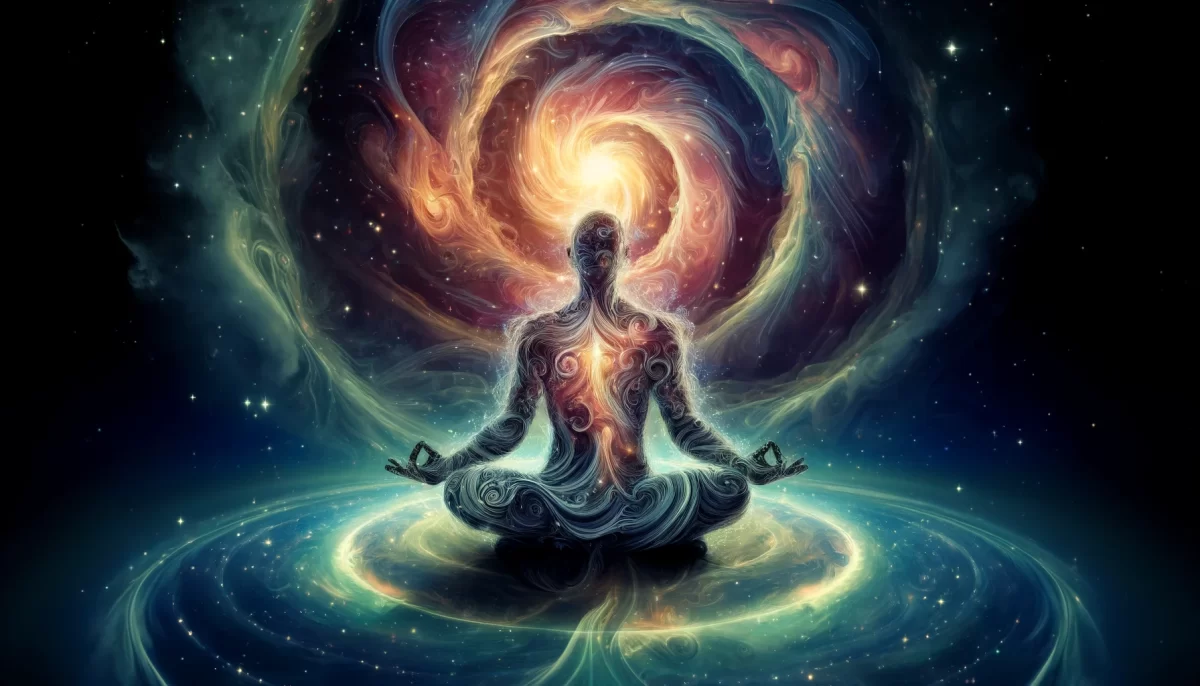


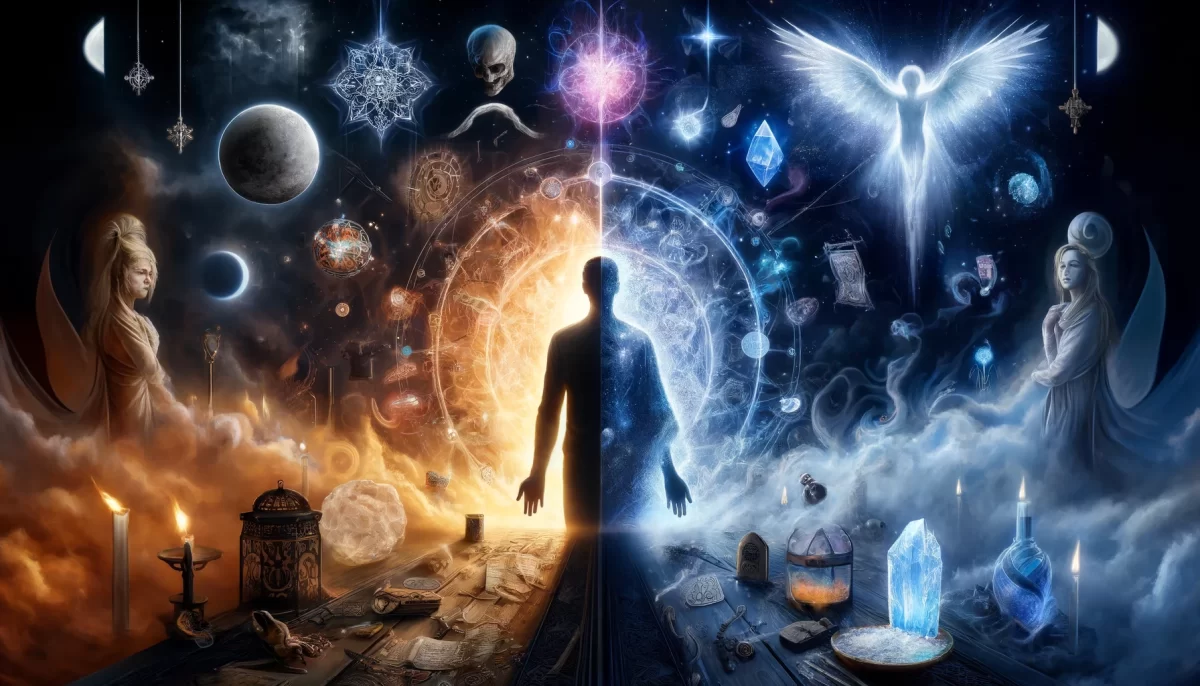


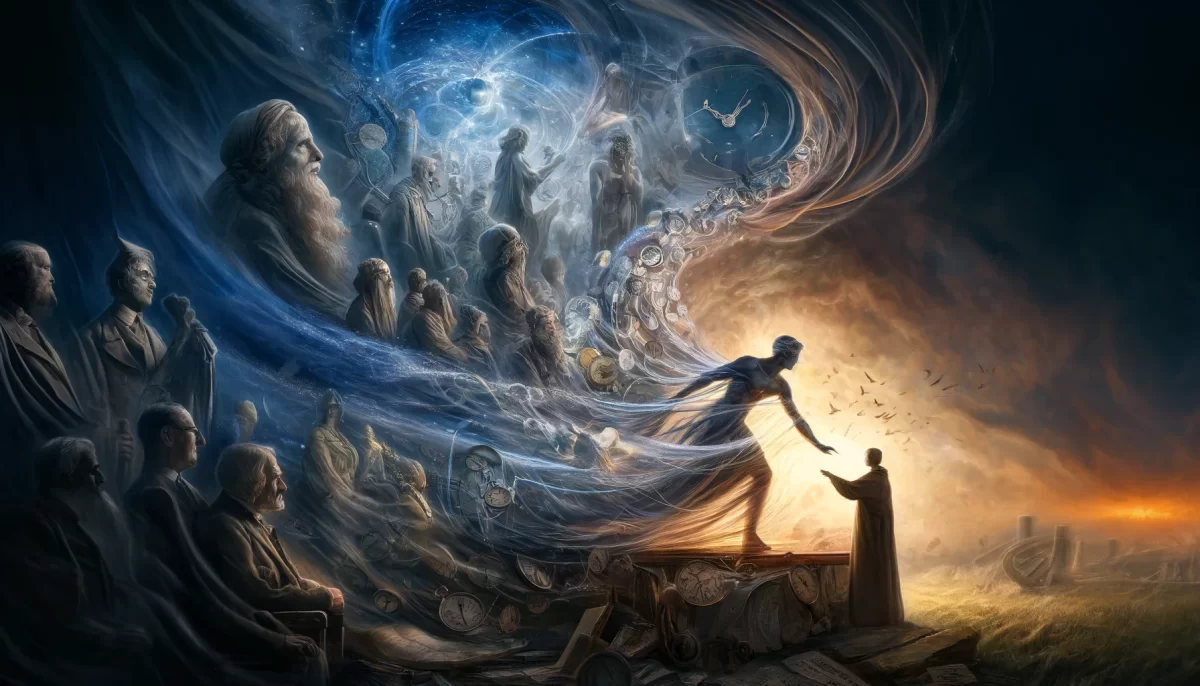
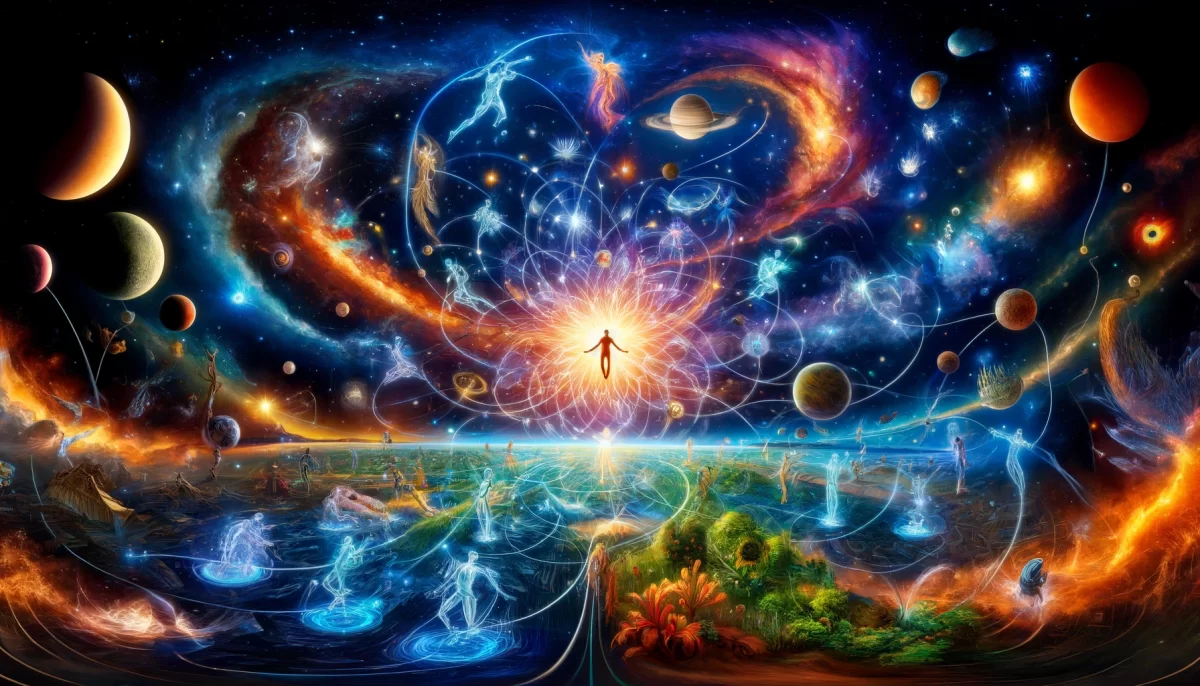

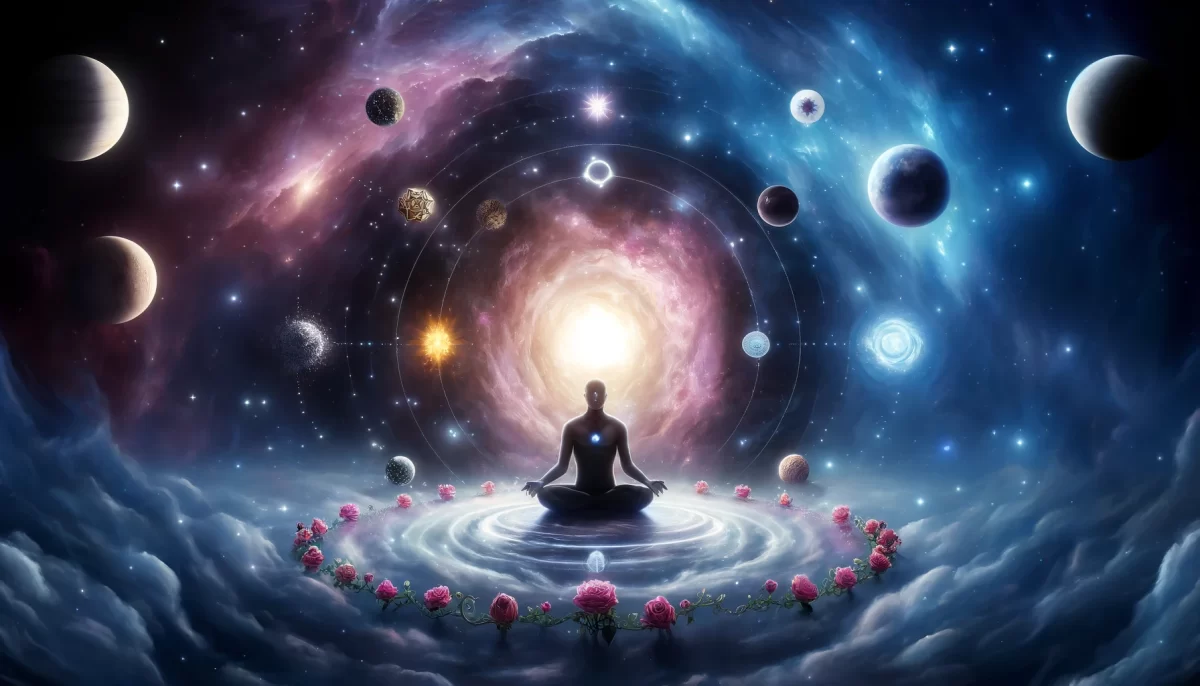
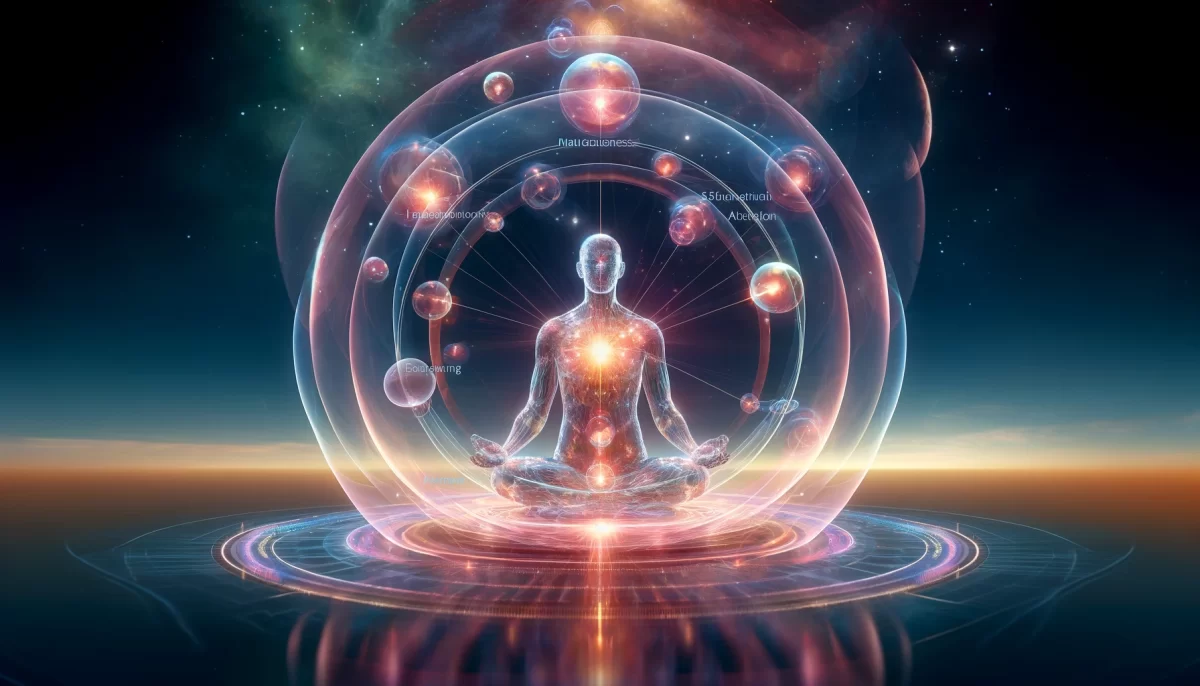

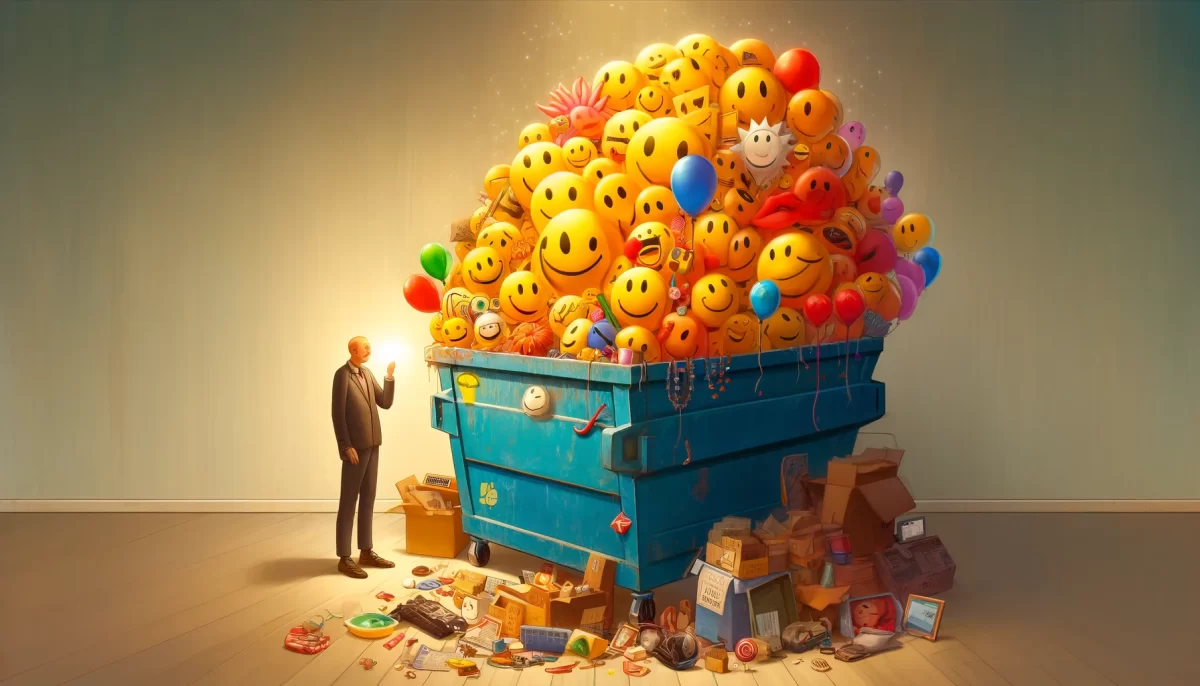






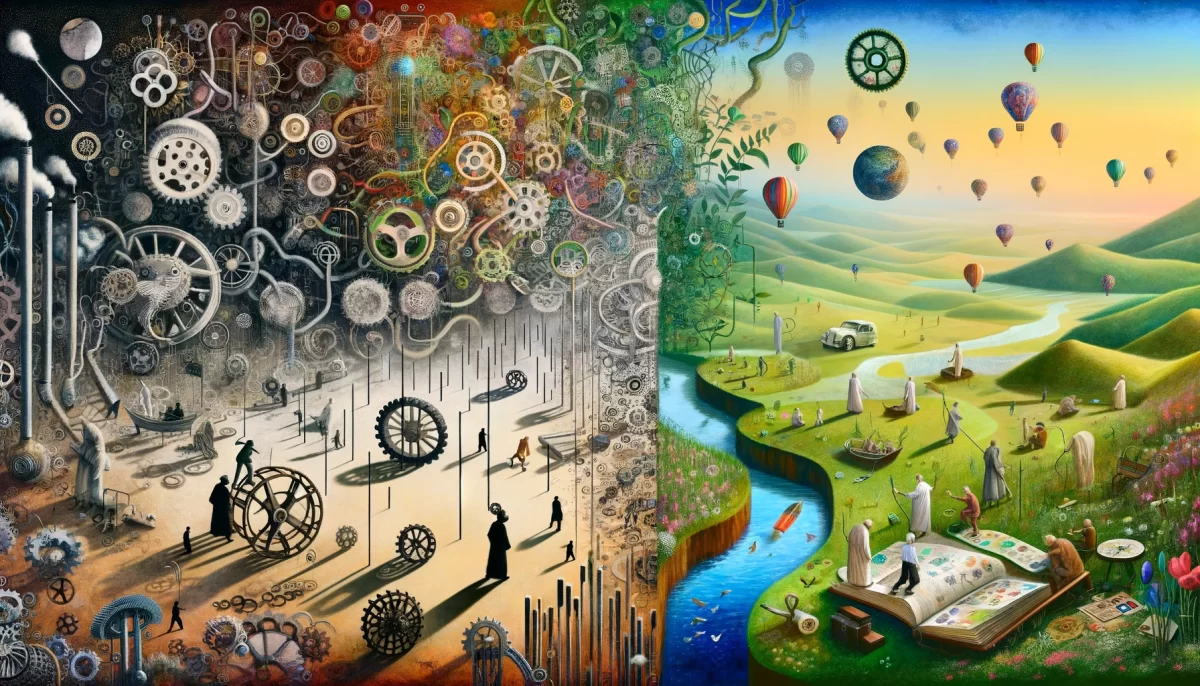

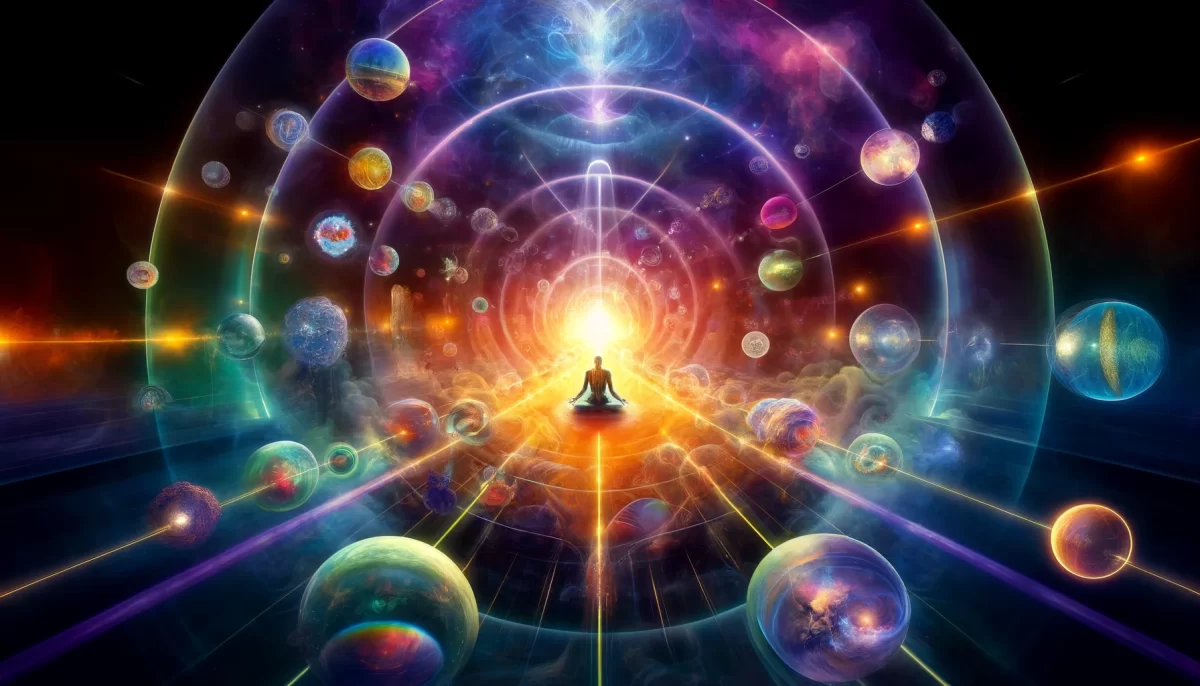

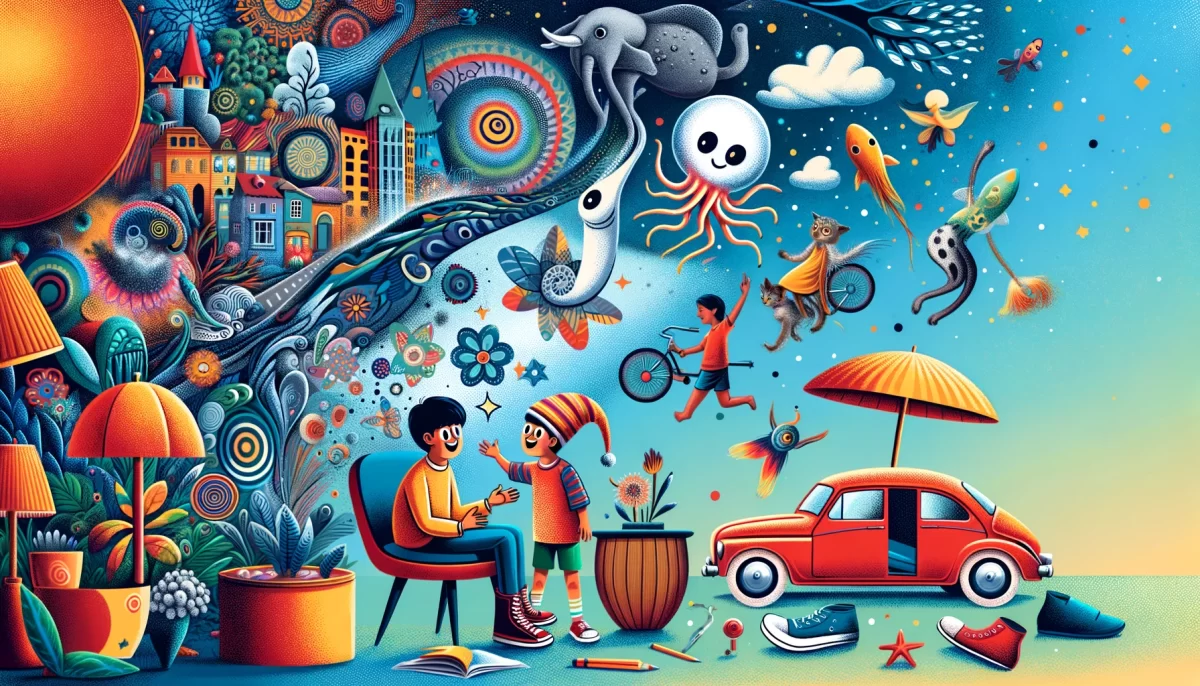
Blame is the chisel of division, carving fractures where once there was wholeness. A tool wielded not to mend, but to sever—to separate the “I” from the “you,” the “right” from the “wrong,” the “winner” from the “loser.”
Donald Trump, a master of the chisel, etches the question, “Who is to blame?” into the bones of discourse, and Joe Biden, caught in the gravity of the game, responds in kind. Obama. Pelosi. Names offered like sacrifices to the gods of accountability. But what if the altar is empty? What if the gods are only shadows on the wall?
Blame is the currency of control, the illusion that the shifting tides of reality can be assigned a culprit. But the tide does not blame the moon for its rise, nor does the river curse the mountain for its descent.
And yet, here we are. Perpetuating the myth that blame can heal, that pointing fingers can steady the hand that trembles.