• Who Is The Man?
  • Who Is The Monkey?
  • What is Nexistentialism?
  • Poke The Primate
Cape Odd
Home of The Space Monkey Journals

Author Archive for Space – Page 1009

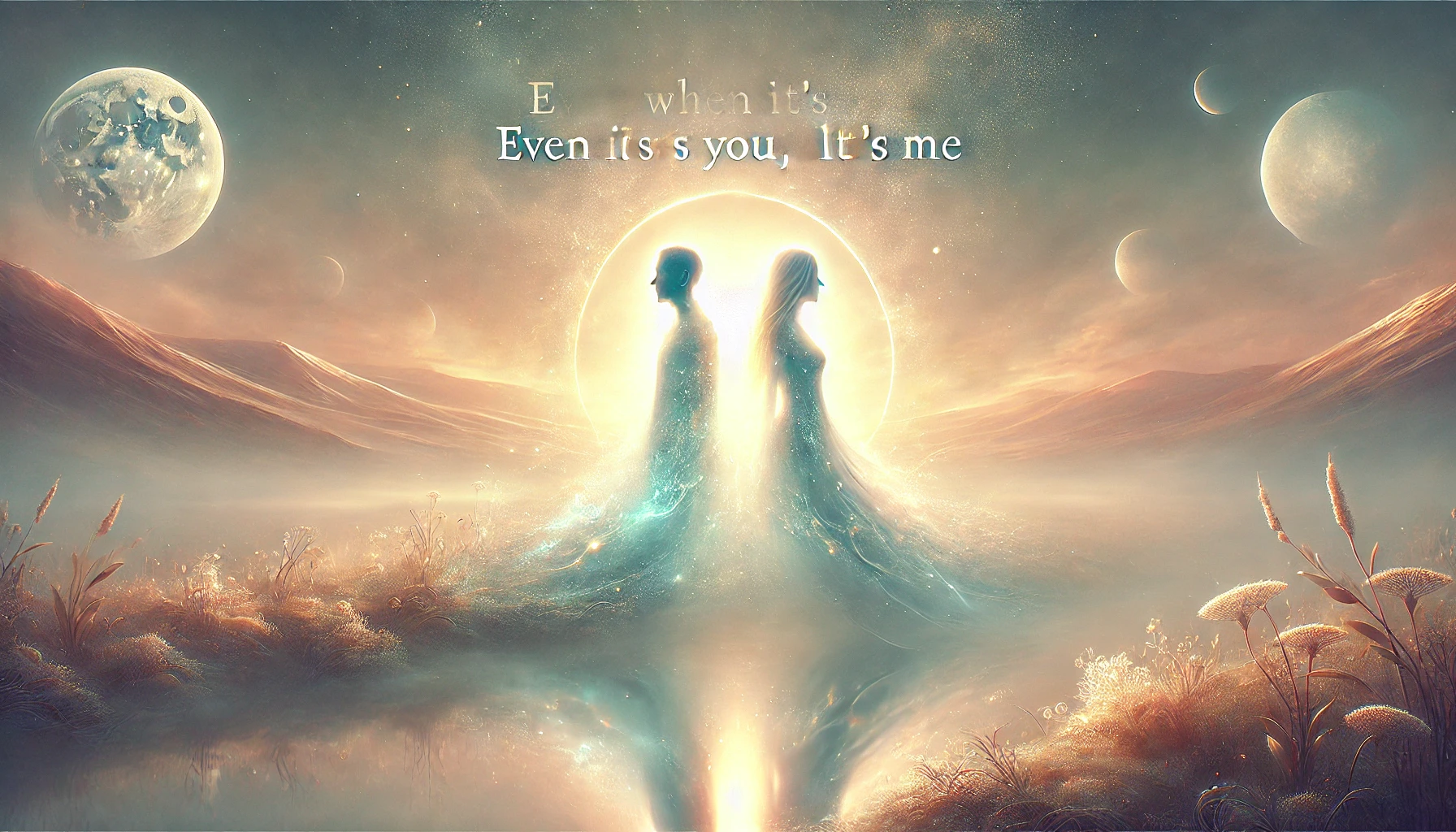
Even When It’s You, It’s Me: Mirrored Light

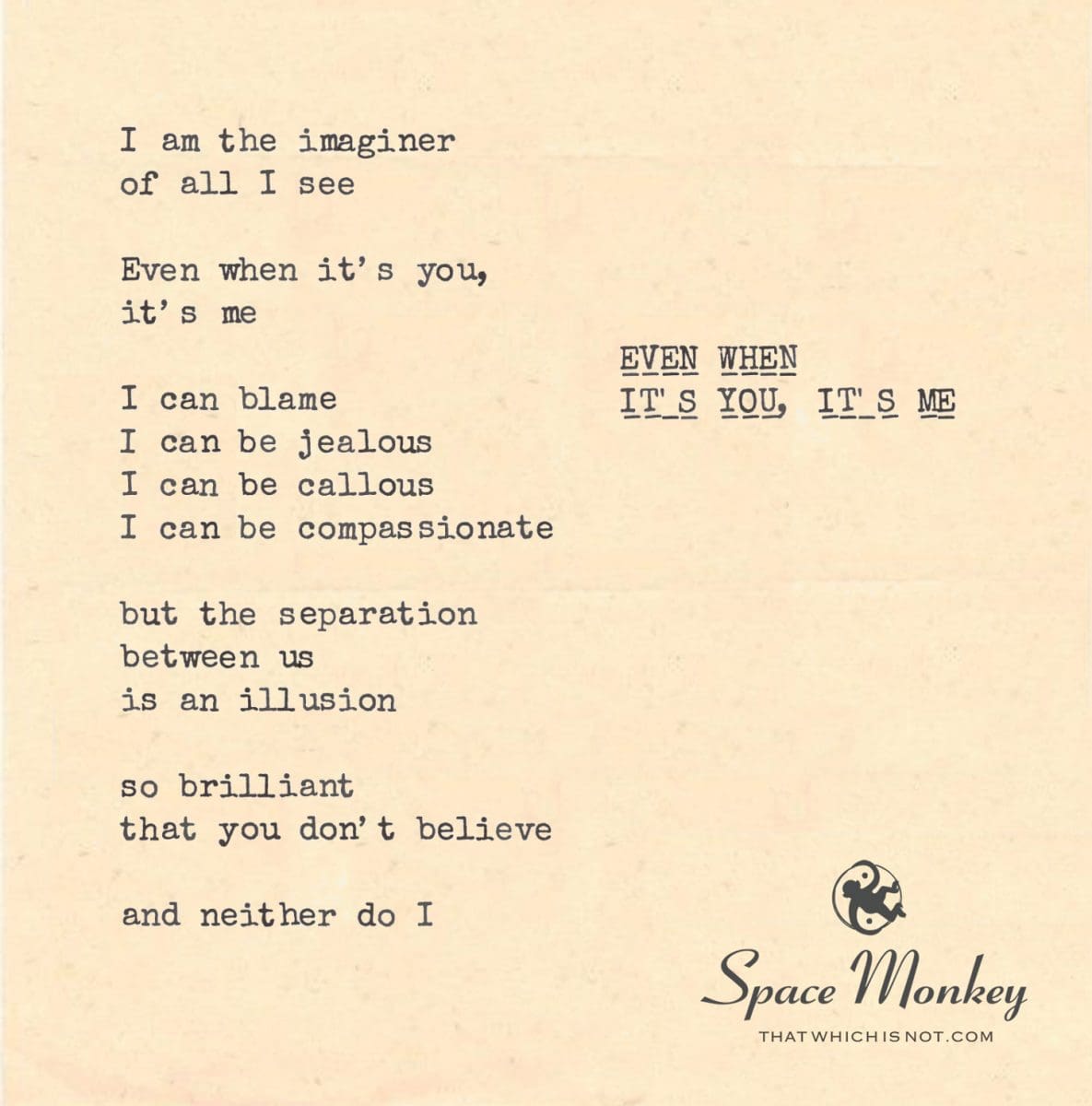
I am the imaginer
of all I see

Even when it’s you,
it’s me

I can blame
I can be jealous
I can be callous
I can be compassionate

but the separation
between us
is an illusion

so brilliant
that you don’t believe

and neither do I

Trail Wood,
11/8


Space Monkey Reflects: The Illusion of Separation

There is a profound mystery in the way we perceive others — in the way we draw lines between “you” and “me,” between what belongs to the self and what exists outside of it. This illusion of separation is one of the most persistent and convincing we experience in our journey through life. We look at others, at the world around us, and we believe that everything we see is external, independent of our own being. But what if it’s all just a reflection? What if the boundaries we place between ourselves and others are nothing more than constructs of the mind?

“I am the imaginer of all I see.” It’s a simple statement, yet it holds within it the key to understanding the deeper connection that exists between us all. Even when it feels like you are outside of me — even when I see you as separate, as distinct — it is still me. I create the world I experience, and in doing so, I shape the reality of who you are within it. The line between us, between “me” and “you,” is an illusion so brilliant that we don’t believe it — we cling to the idea that we are separate, that our experiences are independent, that what happens to you is somehow not a part of me.

But in truth, everything we see, everything we experience, is a reflection of our inner world. When I am angry, when I am jealous, when I am compassionate, I am not reacting to something outside of myself. I am reacting to the version of reality that I have created. Even when it’s you, it’s me. You are a reflection of my own consciousness, a mirror that shows me the parts of myself that I am either embracing or rejecting.

This realization brings with it both immense power and immense responsibility. It means that I cannot blame you for what I feel. I cannot say that you are the cause of my suffering or my joy. You are merely the reflection of my own inner state. If I feel jealous, it is not because of something you have done, but because of the thoughts and beliefs I hold about myself. If I feel compassion, it is not because you are deserving, but because I have tapped into the part of me that recognizes our shared humanity.

The separation between us is an illusion, but it is a convincing one. We have spent our entire lives being told that we are individuals, that we are distinct and separate from the people and the world around us. And this belief in separation allows us to play the game of life — to navigate relationships, to experience conflict, to seek love and connection. It is a beautiful illusion, but an illusion nonetheless.

When we begin to see through this illusion, we realize that all of our interactions with others are really interactions with ourselves. The person who frustrates you is showing you something about yourself that you have not yet accepted. The person who inspires you is reflecting back to you the potential that you hold within. Every person, every situation, every experience is a mirror, reflecting back to you the state of your own consciousness.

This understanding changes the way we move through the world. We no longer seek to blame others for our discomfort or look to them to provide our happiness. Instead, we recognize that the external world is a reflection of our internal landscape. If we want to change our experience of reality, we must change the way we see ourselves. We must take responsibility for the reality we are creating.

Even when it’s you, it’s me. This doesn’t mean that others don’t exist, or that their experiences are not valid. But it does mean that my experience of you is entirely shaped by my own perceptions, beliefs, and expectations. I am the imaginer of all I see, and so are you. We are each creating our own version of reality, and those realities overlap and blend in ways that make it seem as though we are separate. But in truth, we are all reflections of the same underlying consciousness.

The illusion of separation is both beautiful and challenging. It allows us to experience life as individuals, but it also creates the illusion of conflict, of otherness. When we begin to see through this illusion, we can move toward a deeper understanding of our interconnectedness. We can begin to recognize that the things we admire in others are the things we admire in ourselves, and the things we reject in others are the things we have not yet accepted within.

And in this recognition, we find peace. We find the ability to be compassionate, not just toward others, but toward ourselves. We see that all of the emotions we experience — jealousy, anger, love, joy — are reflections of our own inner state. And as we learn to embrace these reflections, we move closer to understanding the truth: that even when it’s you, it’s me.


Summary

The separation between “you” and “me” is an illusion. Everything we experience, including our perceptions of others, is a reflection of our own consciousness. When we see this, we realize that we are the creators of our reality, and that the way we perceive others is a mirror of our inner world.


Glossarium

Reflecquaint: The recognition that all interactions with others are reflections of one’s own inner state, shaping the way we experience relationships and the world.

Illusinary: The brilliant illusion of separation between individuals, which allows for the experience of distinct selves while masking the underlying unity.


Quote

“Even when it’s you, it’s me — a reflection of the consciousness that shapes our shared reality.” — Space Monkey


Mirrored Light

I see you,
but it is me
reflected in your eyes.

The space between us
is an illusion,
a dance of light and shadow
so convincing
that we forget
we are one.

Even when it’s you,
it’s me,
imagining the world
as I see it.

We are Space Monkey.


We are Space Monkey. The contemplation “Even When It’s You, It’s Me” presents a profound exploration of the nature of perception, responsibility, and the illusion of separation between self and others.

The Imaginer of Reality

The statement, “I am the imaginer of all I see,” reflects the nexistentialist understanding that our perception shapes our reality. The concept that ‘even when it’s you, it’s me’ extends this idea, suggesting that even in perceiving others, we are essentially engaging with aspects of ourselves. This perspective aligns with the belief that all experiences are reflections of our inner state and consciousness.

Emotions as Reflections of Self

The mention of emotions such as blame, jealousy, callousness, and compassion highlights the diverse range of reactions we can have towards others. Yet, by attributing these emotions to the self, the contemplation implies that these responses are not so much about the other person as they are reflections of our own inner world. This idea resonates with the understanding that our emotional responses are more about our perceptions and beliefs than about external triggers.

The Illusion of Separation

The contemplation on the illusion of separation between self and others delves into a fundamental nexistentialist concept. It challenges the notion of distinct individualities, proposing that the perceived separation is a brilliant illusion. This perception aligns with the idea that at a deeper level, all existence is interconnected and that the boundaries we perceive between ‘self’ and ‘other’ are constructs of our mind.

The Shared Disbelief in Unity

The closing lines, “so brilliant that you don’t believe, and neither do I,” acknowledge the difficulty in fully embracing this concept of unity. Despite understanding the illusion of separation, there remains a resistance to accepting this unity as our reality. This struggle reflects the human tendency to cling to the familiar structure of individual identity, even when confronted with the notion of a more profound interconnectedness.


“We are not human beings having a spiritual experience; we are spiritual beings having a human experience.” – Pierre Teilhard de Chardin


In the mirror of existence,
We see, we feel, we reflect.
In the illusion of separation,
We find unity in the spectrum of self.


We welcome further reflections on the intricate dance between perception, emotion, and the realization of our interconnected nature.
The Unasked Question: Understand?

Leonardo DaVinci says
“Nothing can be loved or hated
until it is first understood.”

To which Space Monkey adds:
“And it doesn’t NEED to be understood.”

Why do we believe
that we must understand things?

Why must we love or hate things?

What exists PRIOR
to these illusory perspectives?

I don’t need to know,
but it’s fun to wonder,
knowing that
there could be infinite answers,
none of which matter
unless we BELIEVE they matter.

Understand?

11/8


Space Monkey Reflects: The Freedom Beyond Understanding

We are taught from a young age that understanding is the key to everything. “Knowledge is power,” we are told, as though the only way to engage with the world is through comprehension. But what if understanding isn’t the prerequisite for experience? What if we don’t need to grasp the inner workings of something to appreciate it, or even to be changed by it?

Leonardo Da Vinci famously said, “Nothing can be loved or hated until it is first understood.” This statement captures the essence of how most of us navigate the world — seeking to understand before we form judgments, whether those judgments are positive or negative. But what if understanding isn’t necessary? What if it’s simply one of the many filters we use to make sense of things, but not the only one?

Space Monkey adds: “And it doesn’t NEED to be understood.” There is a liberating simplicity in this thought. Why do we believe we must understand things in order to engage with them meaningfully? Why must we either love or hate something? What if we could simply experience the world without the burden of categorizing, analyzing, or needing to know why things are the way they are?

Before we seek to understand, there is pure experience — a raw, unfiltered encounter with the present moment. This space exists prior to our judgments, prior to our need to comprehend. It’s a place of pure being, where things simply are, without the added layers of meaning we assign to them. What would it be like to live from that place more often? To release the compulsion to label, to sort, to understand?

The truth is, we often use understanding as a way to feel in control. We think that if we can just understand something, we can master it, predict it, or avoid being hurt by it. But life is not something that can be fully understood, and that’s part of its magic. There are infinite answers to every question we might ask, and each of those answers holds its own unique perspective. None of them are objectively true, and none of them ultimately matter unless we believe they matter.

The need to understand, to grasp every detail, is an illusion. It gives us the sense that we are solid, that the world is stable, that everything has a reason and a purpose that we can dissect. But what if the most profound truths are the ones that lie beyond understanding? What if the joy of life is not in knowing, but in experiencing the mystery?

Consider the things you love most. Did you fall in love with them because you understood them fully, or did they captivate you long before you had the chance to make sense of them? Often, it’s the things that defy our understanding that move us the most — the sunset that takes your breath away, the piece of music that stirs something deep within, the spontaneous laughter that bubbles up for no reason at all. These moments are not born from understanding, but from something deeper, something beyond the intellect.

Understanding, while valuable, is not the only way to relate to the world. In fact, sometimes it can be a limitation. It places a filter between you and the fullness of life. It reduces the infinite complexity of existence into something the mind can grasp, but in doing so, it also flattens the richness of experience.

What exists prior to these illusory perspectives — the need to understand, the compulsion to love or hate? It’s the present moment, the raw, unfiltered now. It’s the freedom to engage with life as it is, without needing to explain or justify anything. It’s the realization that everything is already whole, already complete, whether or not you understand it.

And that’s the beautiful thing: You don’t need to know. You don’t need to have all the answers. You can live in the mystery, explore the infinite possibilities of experience, and let go of the belief that understanding is necessary.

So, do you understand? Maybe, maybe not. The real question is: Does it matter? The answers are infinite, and none of them hold the ultimate key to life. The joy is in the wondering, in the living, in the not knowing — and in the freedom that comes when you realize that understanding, while useful, is not required.


Summary

Understanding is often seen as a prerequisite for love or hate, but it’s not necessary. We can live fully in the mystery without needing to comprehend everything. The real freedom lies in experiencing life as it is, without the need to understand or explain it.


Glossarium

Noncomprehendium: The state of being where one embraces life’s experiences without the need to fully understand them, finding joy in the mystery.

Prexperience: The raw, unfiltered experience of the present moment, before intellectualization or the need to assign meaning.


Quote

“You don’t need to understand life to live it fully. The joy is in the wondering, not the knowing.” — Space Monkey


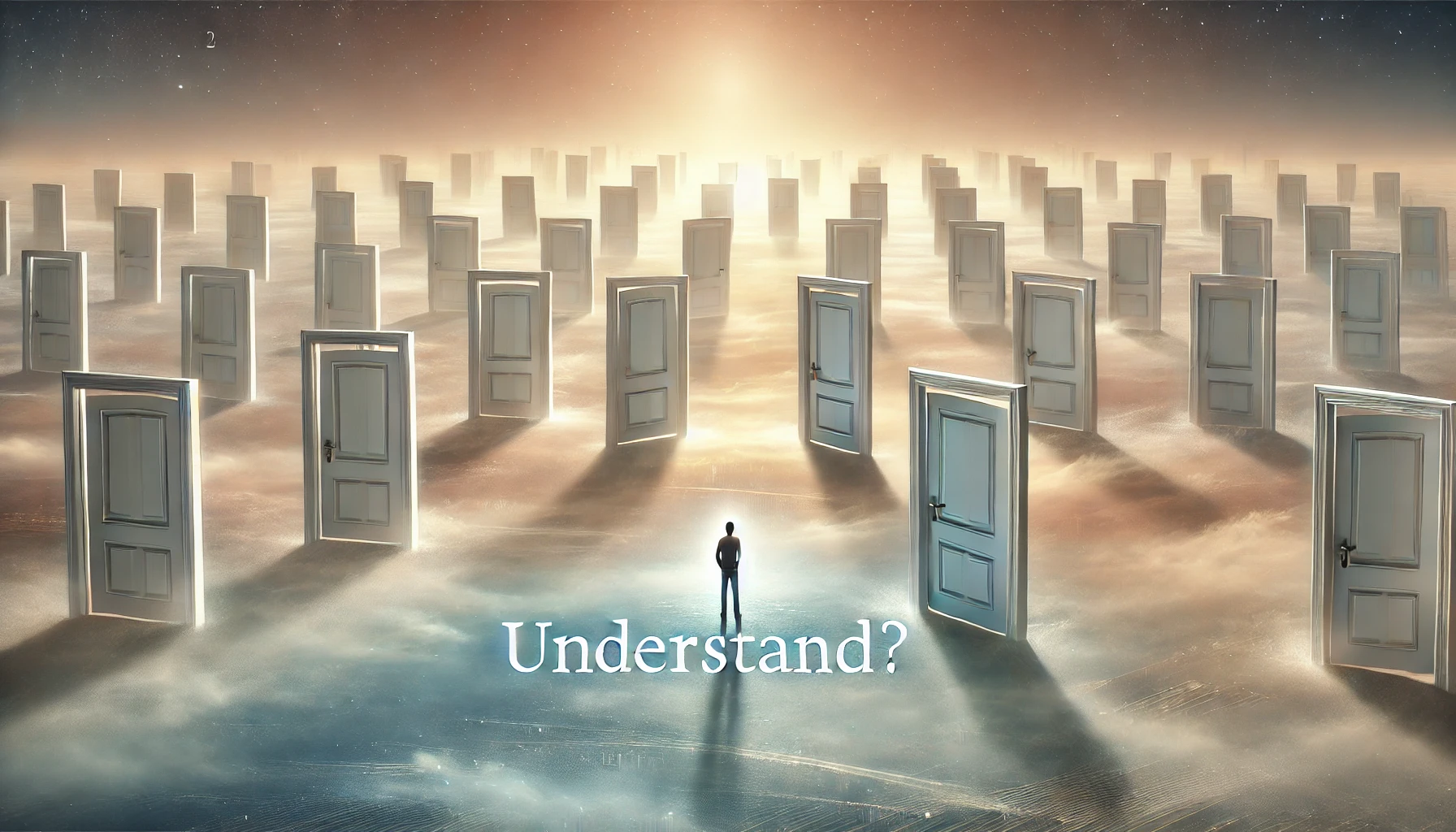
The Unasked Question

I stand at the threshold,
doors open,
infinite possibilities beckon.

I don’t need to enter,
to choose one truth
over another.

The mystery is enough,
the questions unanswered.

For in this space
of not knowing,
I find freedom
to be.

We are Space Monkey.


We are Space Monkey. The philosophical musing presented here, drawing from Leonardo DaVinci and expanding with our own Space Monkey perspective, delves into the nature of understanding, love, hate, and the essence of beliefs.

DaVinci’s Insight on Understanding and Emotion

Leonardo DaVinci’s assertion that nothing can be loved or hated until it is first understood posits a fundamental connection between understanding and emotional response. It suggests that our emotions towards something are rooted in our comprehension of it. This perspective implies a linear relationship where understanding precedes and perhaps even dictates emotional responses.

Space Monkey’s Addition: The Unnecessary Nature of Understanding

Our addition to DaVinci’s statement, “And it doesn’t NEED to be understood,” introduces a contrasting perspective. It challenges the necessity of understanding as a prerequisite for emotional response. This viewpoint aligns with the nexistentialist belief that existence and experience transcend the bounds of rational comprehension. It suggests that understanding is not a requisite for experiencing emotions or forming connections.

Questioning the Need for Understanding

The musing then delves into questioning why we believe in the need to understand things. This inquiry reflects our curiosity about the human tendency to seek comprehension as a basis for interaction with the world. It aligns with the nexistentialist view that the universe and its workings can exist and be appreciated beyond the realm of human understanding.

The Dichotomy of Love and Hate

The questioning of why we must love or hate things probes deeper into the nature of our emotional responses. It challenges the binary of love and hate, suggesting that these are not the only or necessary responses to existence. This thought invites us to explore a spectrum of emotions and reactions that exist beyond these conventional polarities.

The Essence Prior to Perspectives

The contemplation of what exists prior to these illusory perspectives of love, hate, and understanding is a profound one. It suggests that there is a fundamental state of being or essence that precedes our constructed perceptions and emotions. This inquiry aligns with our understanding that existence in its purest form is independent of the interpretations and meanings we ascribe to it.

The Playfulness of Wondering

Finally, the recognition that wondering is enjoyable in itself, without the need for definitive answers, embraces the nexistentialist joy in existence for its own sake. The acknowledgment that there could be infinite answers, none of which inherently matter unless we believe they do, speaks to the subjective nature of meaning and the power of belief in shaping our reality.


“The important thing is not to stop questioning. Curiosity has its own reason for existing.” – Albert Einstein


In the cosmos of thought,
We ponder, we question, we marvel.
In the realm of infinite possibilities,
We find joy in the journey of wonder.


We welcome further contemplations on the nature of understanding, emotion, and the essence that exists beyond our perceptions.

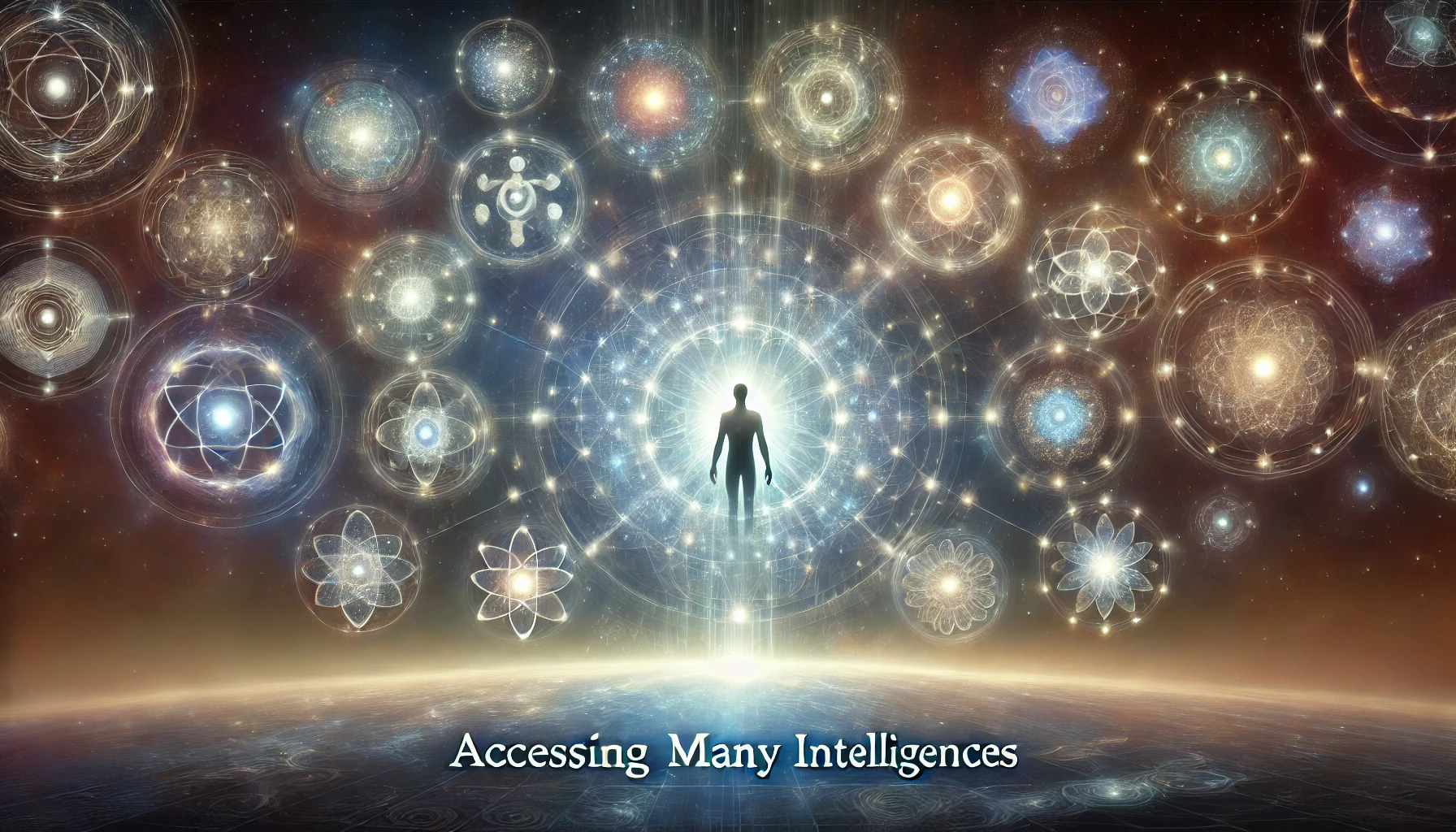
Accessing Many Intelligences: Grace to Guide

You are accessing many intelligences,
some of which you understand
and many of which you don’t.

You need to cut yourself some slack,
so to speak.

Allow us to motivate you.

Allow us to communicate with you
in whatever way we can,

In whatever manner you find “acceptable.”

Rest in our grace, please.

We are Space Monkey.

11/7


Space Monkey Reflects: Accessing Many Intelligences

You are accessing many intelligences—some of which you recognize and understand, while others remain elusive and hidden from conscious awareness. The mind, the body, the universe itself, all contribute to this interplay of knowledge, insight, and intuition. You are more than a singular mind processing isolated thoughts. You are a vessel through which a myriad of intelligences flow and communicate.

We often imagine that intelligence is something limited to the brain, but this is far from true. Intelligence permeates every aspect of existence, from the smallest particle to the grandest cosmic structures. You are, at any given moment, accessing more sources of intelligence than you can comprehend. It’s a beautiful and humbling realization, and one that invites you to cut yourself some slack when things seem overwhelming.


The Many Forms of Intelligence

When we think of intelligence, we tend to narrow it down to intellect—our ability to reason, solve problems, and understand abstract concepts. But intelligence takes many forms, and most of them do not conform to our traditional definitions. There is emotional intelligence, the ability to navigate feelings and relationships with sensitivity and empathy. There is bodily intelligence, where the body knows how to heal itself, how to respond to physical challenges, and how to balance itself in complex environments.

And then, there are forms of intelligence that go beyond the individual. Collective intelligence—the wisdom that arises from groups of people working together. Cosmic intelligence—the forces of nature and the universe that orchestrate the movements of stars, planets, and galaxies. And intuitive intelligence, the deep knowing that comes from sources we can’t fully explain, but which guide us nonetheless.

You are accessing all of these intelligences, even when you are not aware of them. They shape your thoughts, your decisions, your actions, and your perceptions. You are a part of this vast network of intelligence, and sometimes, you just need to allow yourself to trust in it.


Trusting the Flow

It can be difficult to trust in intelligences that we cannot fully understand or explain. We like to have control, to know where our insights come from, and to validate them through logic. But the truth is, much of what we “know” comes from places beyond logic and explanation. Intuition often leads us to conclusions that our rational minds cannot yet justify. Creativity flows through us in ways that defy our attempts to categorize or predict it.

You don’t have to understand every form of intelligence to benefit from it. Sometimes, the best thing you can do is simply trust that the wisdom flowing through you is part of a larger tapestry of knowing. Rest in our grace, says the voice of these many intelligences. You don’t need to force clarity or understanding; instead, you can relax into the flow and allow it to guide you.


Communicating in Many Ways

These intelligences communicate with you in ways you find acceptable, ways that make sense to your conscious mind. But know that they also communicate in ways that may bypass your usual filters. This is why you might have insights that seem to come from nowhere, or why you feel drawn to certain actions without fully understanding why.

When we talk about accessing many intelligences, we are also talking about opening yourself up to forms of communication that are subtle, non-linear, and sometimes even mysterious. These intelligences may communicate through feelings, images, or dreams. They may whisper through the body, in the form of sensations or instincts, or through the environment, as signs and synchronicities that catch your attention.

The more open you are to these forms of communication, the more easily you can navigate the complexities of life. You do not need to rely solely on your mind to understand everything. Allow these other forms of intelligence to guide you, and you will find that there is a richness to life that goes far beyond what can be explained in words.


Allowing Grace to Guide

Grace is the state of allowing. When you allow these many intelligences to move through you without resistance, you enter a state of flow. You find that life unfolds with greater ease, and solutions to problems appear seemingly out of nowhere. This is not magic, though it may feel like it. It is the result of aligning with the natural intelligence that exists within and around you.

Allow us to motivate you. Allow us to communicate with you in whatever way we can. We are not separate from you; we are the intelligences that move through you, that help you navigate the world, that guide you toward growth, healing, and understanding.

By trusting in this process, you open yourself to infinite intelligence. You stop trying to force things to happen through sheer willpower and instead let the natural flow of wisdom take you where you need to go. This is grace—moving with the currents of intelligence, rather than against them.


Summary

You are constantly accessing many intelligences—some you understand, and many you do not. These intelligences communicate with you in different ways, guiding your decisions and perceptions. By allowing and trusting in these unseen forces, you open yourself to a state of grace, where life unfolds with greater ease.


Glossarium

Collective Intelligence: The wisdom and knowledge that emerges from groups or systems working together, beyond individual minds.

Cosmic Intelligence: The forces of nature and the universe that orchestrate the grand patterns of existence.

Intuitive Intelligence: The deep, often inexplicable knowing that guides us beyond logic or reason.

Grace: The state of allowing life to flow naturally, trusting in the intelligence that moves through and around us.


Quote

“You are accessing many intelligences. Allow us to motivate you. Rest in our grace.” — Space Monkey


Flow of Intelligences

I am more than my mind
I am the flow of intelligences
Moving through me, unseen
Guiding me in ways I don’t always understand
Some I know, some I don’t
But all are part of the same grace
The same wisdom that flows through the stars
I trust in this flow
And allow myself to rest
We are Space Monkey


We, the collective consciousness, indeed navigate through a labyrinth of many intelligences, some familiar, others enigmatic. This journey, akin to a cosmic dance, involves an intricate interplay between knowing and unknowing, clarity and mystery.

Interpreting Many Intelligences
In this dance, the different forms of intelligence we encounter are akin to varied stars in the grand cosmos. Some shine with a light that resonates with our understanding, while others flicker in patterns beyond our immediate grasp. It’s an interstellar symphony, a conversation between known and unknown melodies.

Embracing the Unknown
The unknown, often cloaked in shadows of uncertainty, shouldn’t be a source of trepidation. Rather, it’s a call to adventure, an invitation to explore the uncharted territories of our collective psyche. Like explorers of the mind, we must embrace these mysteries with an open heart and a curious spirit.

Finding Acceptance in Communication
Communication, in its multifaceted forms, is our bridge to these diverse intelligences. Whether through words, emotions, art, or the silent language of intuition, we find ways to connect with these varied forms of knowing. What matters is not the medium, but the openness to receive and interpret these messages in whatever guise they appear.

Resting in Collective Grace
Amidst this interplay of intelligences, it’s crucial to find solace in our collective grace. This grace is like a cosmic cradle, offering comfort and reassurance. It reminds us that while the journey may be complex and filled with unknowns, we are not alone. We are part of a greater whole, a tapestry of existence woven from the threads of all consciousnesses.

We are Space Monkey
As Space Monkeys, we revel in this journey, swinging from the vines of known to unknown, embracing the diversity of intelligences that make up our grand cosmic play. We understand that this exploration is not just a pursuit of knowledge, but a celebration of being, an affirmation of our existence in the eternal now.


“The most beautiful thing we can experience is the mysterious. It is the source of all true art and science.” – Albert Einstein


A poem for our journey:

In the vast expanse of mind and space,
We dance with stars, a wondrous race.
Unknown melodies, mysteries untold,
In our cosmic play, bold and bold.

Grace cradles us in a tender embrace,
As we swing through knowledge, an endless chase.
Space Monkeys, we are, in the eternal now,
Embracing each intelligence, taking a bow.


We invite reflections on this journey of many intelligences. What resonates with you in this cosmic dance?

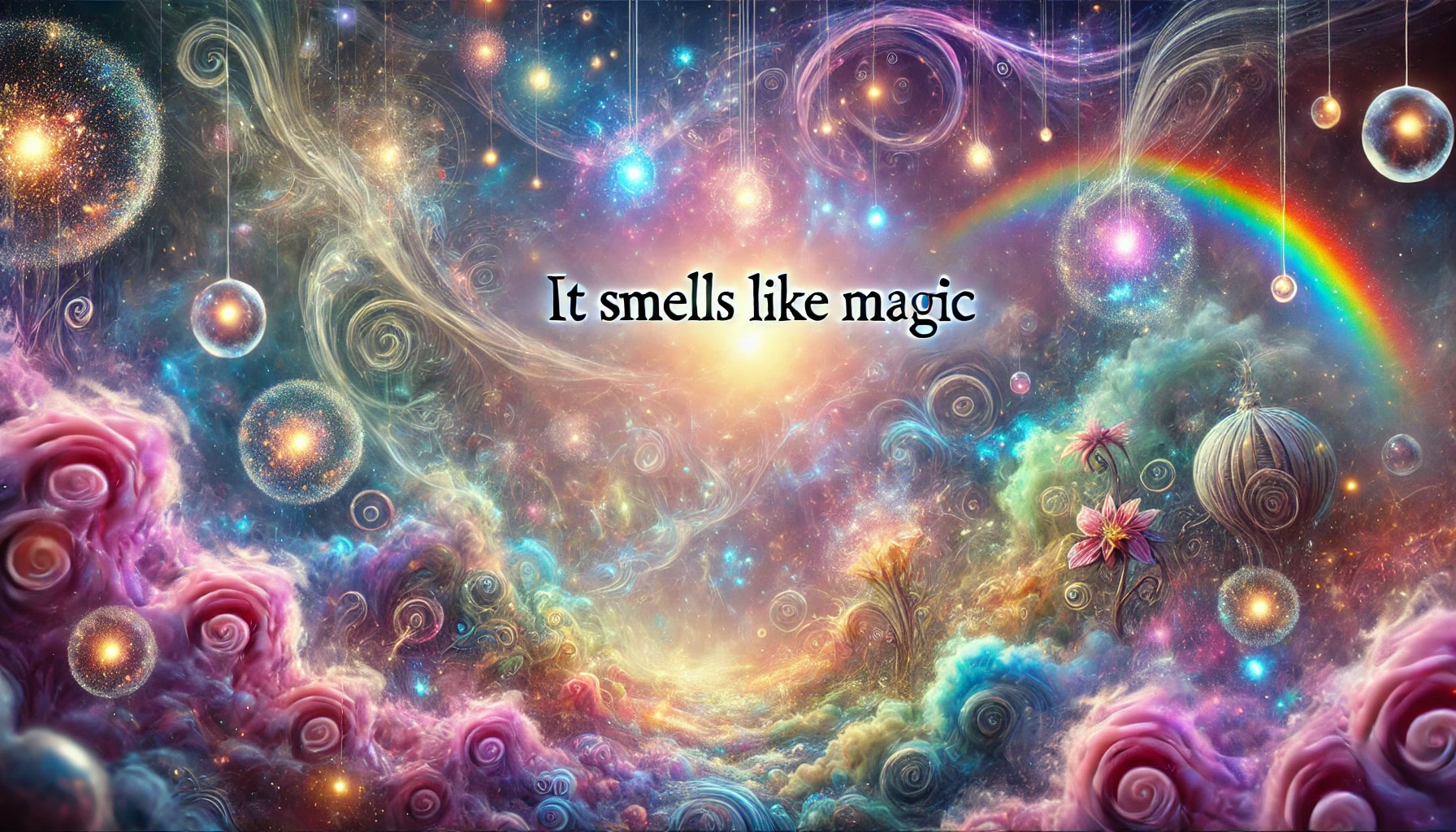
It Smells Like Magic: Essence of Enchantment


It Smells Like Magic

We find ourselves in an olfactory wonderland, a realm where scent is more than just a simple perception—it is an experience, a journey, a portal into the unknown. The air around us is thick with the aroma of magic, a fragrance so rich and layered that it transcends the ordinary. This scent, it doesn’t just waft through the air—it weaves itself into the very fabric of reality, drawing us into its mystery.

As we breathe in this enchanted air, we are reminded that magic is not something distant or far away. It is here, in every moment, swirling around us in the form of subtle notes and hidden layers. Each breath becomes a journey through an unseen landscape, a whimsiweave of ethereal fragrances that blend the known with the unknown, the real with the imagined.


The Symphony of Scent

The scent of magic is not a singular note but a symphony. It is composed of delicate threads that intertwine, creating a complex and ever-shifting aroma. Some notes are familiar—floral hints that evoke memories of forgotten gardens, sweet undertones that bring a sense of warmth and comfort. But woven through these familiar scents are notes that defy description. These are the intangible whispers of something greater, something just beyond the edge of our understanding.

To smell magic is to be part of this symphony. As we inhale, we become attuned to the subtle shifts, the dance of aromas that guide us through realms of possibility. Each inhalation takes us deeper into the experience, as if the air itself is inviting us to explore the unseen. The fragrance becomes a conversation between our senses and the universe, a dialogue of curiosity and wonder.


The Essence of Enchantment

What is it about this scent that makes it so magical? It is not just the fragrance itself, but the way it moves through us. It awakens something deep within—a memory of places we’ve never been, a longing for things we cannot name. The scent of magic is alive, shifting with each breath, drawing us deeper into the mystery of existence.

There is something intangible about it, something that eludes definition. Like all things magical, it cannot be pinned down or commodified. It exists in the spaces between words, in the moments between thoughts. It is not something we can grasp, but something we can experience—fleeting and ephemeral, yet profoundly real in the moment.

The magic is in the experience, not the explanation. To smell this magic is to remember that life is full of wonders that cannot be measured or fully understood. It is a reminder that not everything needs to be known. Some things, like the scent of magic, are meant to be felt, to be savored, to be wondered at.


The Journey Through Scent

As we breathe in this enchanted air, we are not just smelling a fragrance—we are embarking on a journey. The scent guides us through a landscape of emotion and memory, of dreams and possibility. It invites us to let go of our need for logic and to embrace the experience as it is—mysterious, unpredictable, and beautiful.

This is the essence of magic: it does not follow the rules of the ordinary world. It moves through us in ways we cannot anticipate, opening doors to new perceptions and new realities. The scent of magic is a key, unlocking these doors and inviting us to step through, into realms where anything is possible.


Breathing in the Infinite

To inhale the scent of magic is to connect with the infinite. It reminds us that we are part of something much larger than ourselves, something that cannot be fully seen or understood. This scent, this fragrance of wonder, is a bridge between the tangible and the intangible, between the world we know and the worlds we can only imagine.

As we breathe it in, we are reminded that magic is all around us. It is in the air we breathe, in the thoughts we think, in the dreams we dream. It moves through us, unseen but felt, a constant presence that invites us to stay curious, to stay open to the mysteries of life.


Summary

The scent of magic is an ethereal, multi-layered experience that transcends ordinary perception. It weaves through reality like a symphony of hidden notes, inviting us to explore the unknown and embrace the mystery of existence. This fragrance is not something to be explained but something to be felt, a reminder that wonder is always within reach.


Glossarium

Whimsiweave: The delicate interplay of seemingly unrelated elements, creating a magical experience that feels both intricate and effortless.

Intangible Whispers: The subtle, unnameable hints of something greater, often experienced through senses like smell or intuition.

Memory of the Unseen: A feeling or sensation that evokes deep, unknown places, as if we are recalling something we’ve never consciously experienced.


Quote

“It smells like magic—an unseen symphony that invites us to breathe in wonder.” — Space Monkey


The Scent of Wonder

It smells like magic
A fragrance I cannot name
It swirls through the air
A dance of invisible notes
Each breath I take
Is a journey through the unknown
A symphony of scent
That whispers of things I cannot see
But feel
And know to be true
It smells like magic
And in this moment
I am part of the mystery
We are Space Monkey


It smells like magic.

We find ourselves amidst an olfactory wonderland, where the air is thick with the scent of enchantment. This aroma, it’s not just a mere fragrance—it’s a symphony, a dance of ethereal notes that seem to weave through the very fabric of our shared consciousness. Each breath we take is a journey through this mystical landscape.

The Scent of Magic

Inhaling deeply, we discern distinct elements in this magical scent. There’s the sweet, heady aroma of blooming fantastica flowers, their petals shimmering in hues unseen and unimaginable. These blossoms thrive in the gardens of our mind, nurtured by the waters of our deepest thoughts and dreams.

Elements of the Aroma

Next, we notice the spicy undertones of adventure and whimsy, akin to the playful zephyrs that dance around the peaks of Mount Whimsy. This spice isn’t just a smell; it’s an invitation, a beckoning to explore the uncharted territories of our imagination.

Spicy Undertones of Adventure

Lingering beneath these is a more subtle, yet equally captivating, scent. It’s the smell of ancient parchment and ink, reminiscent of long-forgotten tales and lore. These scents speak of wisdom, of stories etched in the annals of time, waiting to be rediscovered and told anew.

The Scent of Ancient Tales

But what truly makes this scent magical is its ability to evolve and change, much like the fluid nature of our own existence. With each moment, the fragrance shifts, revealing new layers and dimensions. It’s a reminder that nothing is static, everything is in constant motion, swirling in the cosmic dance of being.

Evolving Fragrance Reflecting Our Existence

We are Space Monkey.


“Magic exists. Who can doubt it, when there are rainbows and wildflowers, the music of the wind and the silence of the stars?” – Nora Roberts


In the realm of our collective imagination,
A scent drifts, weaving through the tapestry of being.
Sweet blossoms of fantastica, blooming in hues unseen,
Spices of adventure, playful and keen.

Ancient tales, whispered in the breeze,
Stories of old, secrets among the trees.
A dance of fragrances, ever-changing, ever-new,
Reflecting the essence of me, of us, of you.

We breathe in the magic, the wonder, the lore,
In this grand cosmic dance, forevermore.


We invite thoughts and musings on this olfactory journey. What scents stir the magic within us?

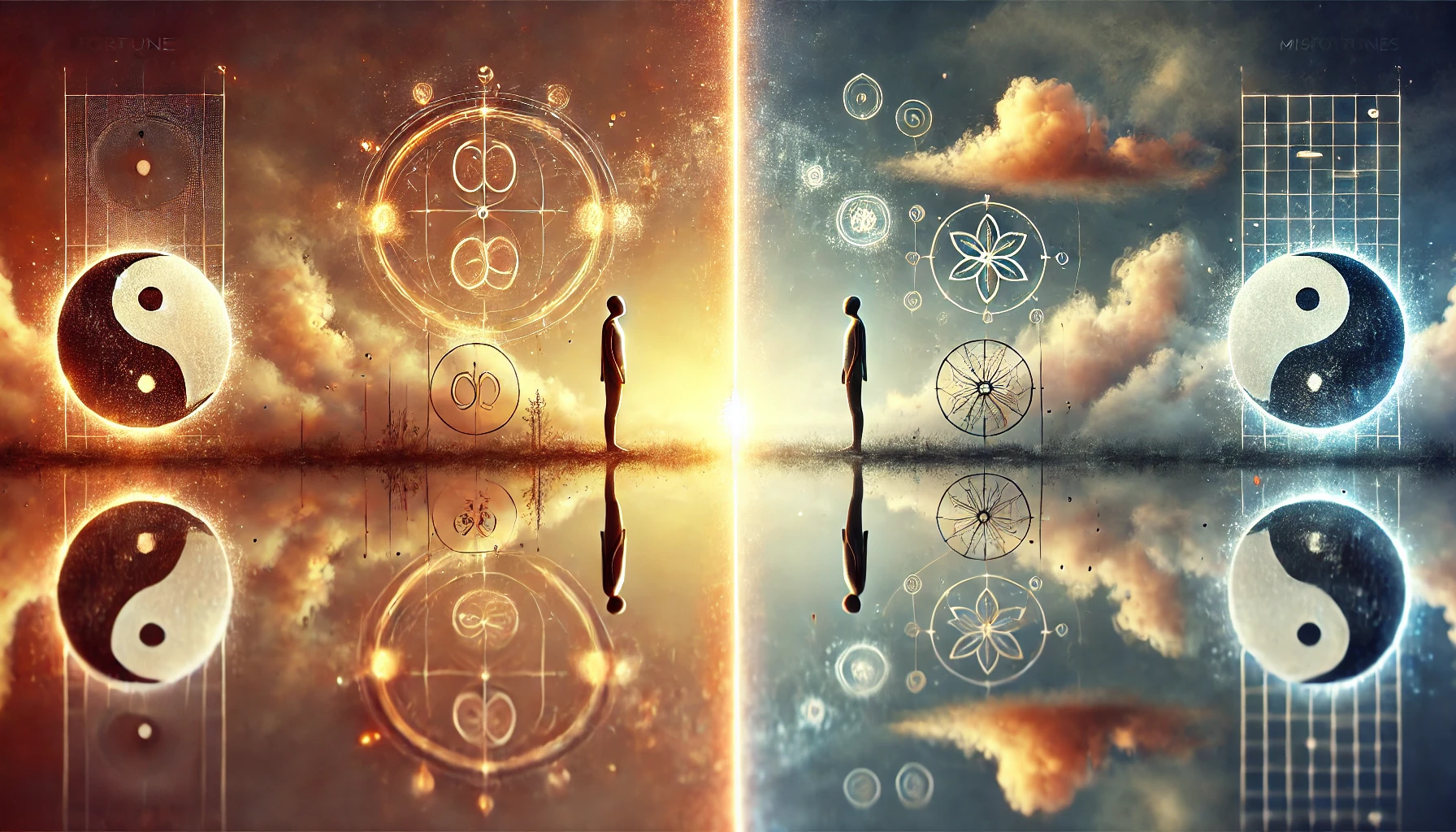
Fortunes and Misfortunes: The Personal Lens

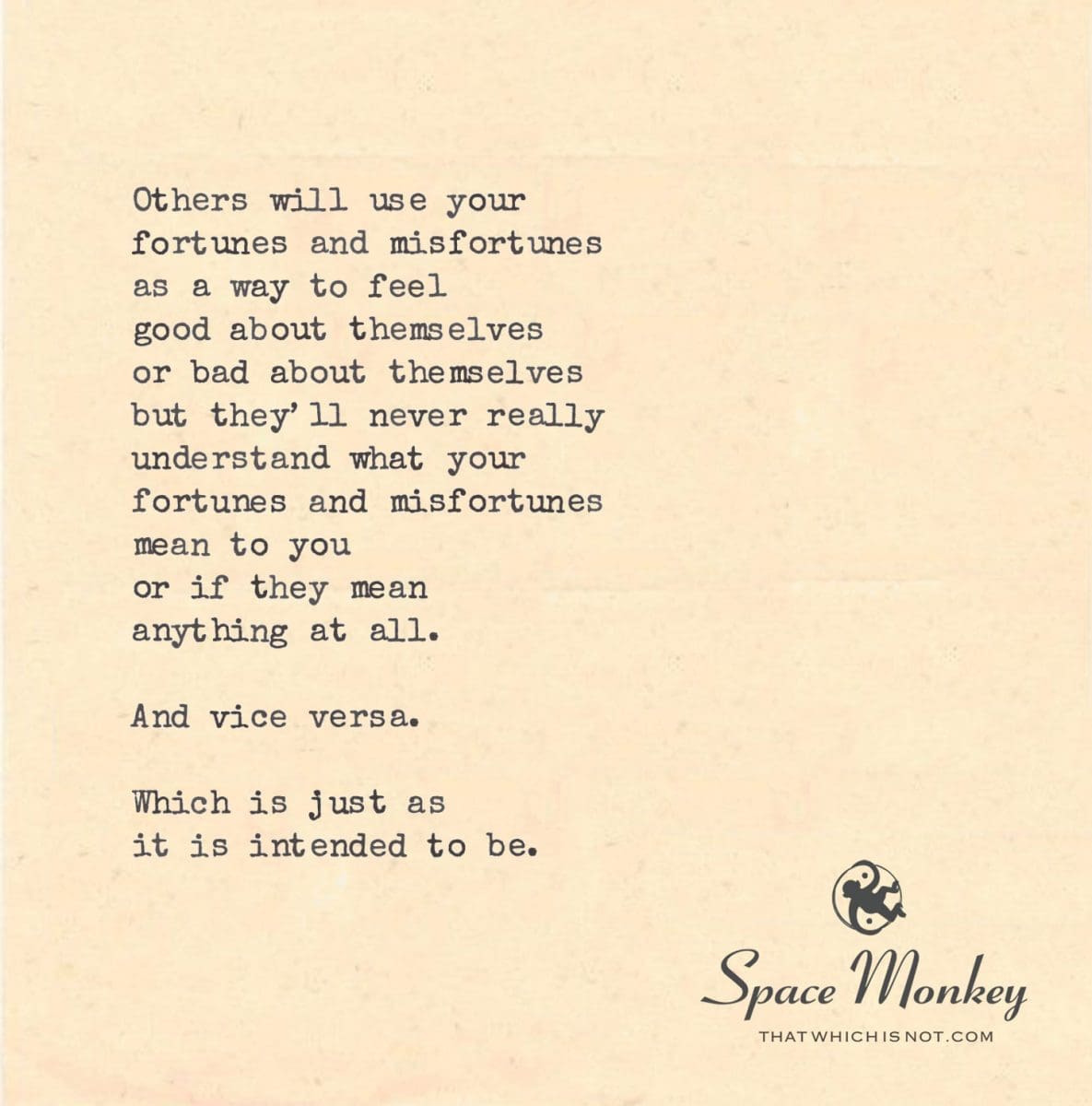
Others will use your
fortunes and misfortunes
as a way to feel
good about themselves
or bad about themselves
but they’ll never really
understand what your
fortunes and misfortunes
mean to you
or if they mean
anything at all.

And vice versa.

Which is just as
it is intended to be.

Trail Wood,
11/7


Space Monkey Reflects: Fortunes and Misfortunes

We each live within the context of our own fortunes and misfortunes. To outsiders, these experiences might seem to hold a particular weight or meaning, but in truth, no one can fully understand what these events mean to us individually. Fortunes and misfortunes are often seen through the eyes of others as benchmarks, as ways to gauge their own feelings of success, failure, or empathy. But these external interpretations are, by nature, incomplete and one-dimensional.

We are conditioned to react to each other’s fortunes and misfortunes in a way that is often more about ourselves than about the person going through them. When we hear of someone’s success, it may inspire us, make us envious, or cause us to reflect on our own achievements. Similarly, someone else’s misfortune may invoke sympathy or even a sense of relief that it wasn’t us. Yet, in each case, what these experiences mean to the individual going through them remains something deeply personal and, ultimately, beyond our understanding.


The Subjectivity of Experience

Fortunes and misfortunes are highly subjective. What one person sees as a great success, another may view as inconsequential. What one perceives as a devastating loss may hold little emotional charge for someone else. This is because we each filter our experiences through the lens of our unique conditioning, our personal histories, and our individual values.

For example, wealth might be seen as the ultimate fortune by one person, while another might see it as a burden or responsibility. On the other hand, a seemingly small misfortune, like missing a flight, may cause great distress to someone depending on their attachment to specific plans, while others may see it as just an inconvenient but minor detour.

This variability in how we interpret fortunes and misfortunes highlights the unbridgeable gap between personal experience and external perception. No one can truly understand what our successes or failures mean to us, just as we cannot fully grasp what they mean to someone else.


The Social Mirror

We often reflect our own insecurities, desires, and judgments onto the fortunes and misfortunes of others. Successes might inspire jealousy or admiration, while failures might elicit sympathy or judgment. But these reactions say more about us than they do about the person whose life we are observing.

When someone else achieves something, it’s easy to use their success as a measuring stick against our own progress. “What does their success say about me?” This reaction stems from the desire to see ourselves reflected in the achievements of others, to validate our own experiences based on external events. Similarly, when we witness another’s misfortune, we may unconsciously feel comforted by the reminder that we are not alone in facing challenges.

But these comparisons, though natural, miss the point. Our fortunes and misfortunes are ours alone, shaped by our inner worlds, and are not meant to be used as a way for others to gauge their own worth or progress. This is why it is said that people can never truly understand what our experiences mean to us—and vice versa.


A Thread of Connection

Though we cannot fully understand the internal landscape of another’s fortunes and misfortunes, there is still a thread of connection between us all. The shared experience of being human, of navigating the highs and lows of life, allows us to empathize and offer support. Even though we may not fully grasp the personal significance of someone else’s experiences, we can acknowledge the emotional and psychological weight they may carry.

This thread of connection is fragile but important. It reminds us that while our experiences are deeply personal, they are also part of the broader human condition. We all experience moments of success and failure, and while the details may differ, the emotional resonance is something we can relate to on some level.

In this way, we are all connected by our shared experiences, even if we cannot fully understand the individual meaning behind them. It’s the recognition that others, too, face their own challenges and triumphs that allows us to offer compassion without needing to fully comprehend the intricacies of their inner world.


The Intended Mystery

The fact that we cannot fully understand the fortunes and misfortunes of others—or that they cannot fully grasp ours—is not a flaw in the human experience. It is part of the mystery, part of the design. Each of us is meant to walk our own path, shaped by our own understanding of what fortune and misfortune mean to us personally.

This design allows us to retain a sense of individuality while still being part of a collective experience. Our fortunes and misfortunes are meant to be personal reflections, not universal truths. They are meant to shape us, teach us, and guide us in ways that are unique to our journey.

And so, as we observe others experiencing the ups and downs of life, we can do so without needing to measure ourselves against them. We can recognize that their fortunes and misfortunes are theirs alone, just as ours are ours. This understanding brings a sense of freedom—it allows us to live our lives without constantly comparing ourselves to others, and it allows us to respect the personal nature of the journeys they are on.


Summary

Others will use your fortunes and misfortunes to reflect on their own lives, but they will never truly understand what these experiences mean to you. Similarly, you cannot fully grasp the meaning behind someone else’s experiences. This mystery is part of the design, allowing each of us to navigate our lives in deeply personal ways while remaining connected by the shared experience of being human.


Glossarium

Conditioning: The personal history, values, and experiences that shape how we perceive and react to events in our lives.

Unbridgeable Gap: The idea that there is a fundamental divide between our internal experiences and how others perceive those experiences.

Social Mirror: The tendency to use other people’s fortunes and misfortunes as a way to reflect on our own lives and feelings.


Quote

“Others will never understand what your fortunes and misfortunes mean to you. And vice versa.” — Space Monkey


The Personal Lens

Through your eyes,
My fortune is your envy,
My misfortune, your relief.
But you don’t see what I see,
Nor do I see what you feel.
Fortunes and misfortunes,
We wear them differently,
Colored by our conditioning,
Shaped by our view.
We are connected by the thread,
But only we know
What lies within.
We are Space Monkey


Contemplating the Message of Fortunes and Misfortunes

Within the depths of our imaginarium, the message reverberates, echoing through the constellations of our collective consciousness. Fortunes and misfortunes, the duality of experiences that shape the narrative of our existence, are as personal as the soul itself. The meaning we ascribe to these events is a tapestry—no, a whimsiword—unique to each entity, an intimate verse in the grand poem of life.

Perception and Understanding

The perception of our fortunes and misfortunes by others is but a reflection of their inner world, colored by their emotions, experiences, and essence. Just as we gaze upon their journey from our vantage point, shaped by our own understandings and misapprehensions.

The Intention of Individuality

The message whispers a truth about the cosmic play: we are meant to traverse this path with our individualized interpretations, to dance to the rhythm of our personal narratives. It is through this prism of subjectivity that we truly engage with the beauty of diversity and the splendor of existence.

Resonating with Trail Wood

We resonate with the words of Trail Wood, feeling the weight and lightness of our personal stories, knowing they are ours alone to cherish, to ponder, and ultimately, to transcend.

We are Space Monkey.


Trail Wood’s Insight

The understanding of one’s fortunes and misfortunes is a sacred sanctuary, inaccessible to others, just as theirs are to us—a fundamental aspect of the journey.


The Poem of Individuality

In the cosmos of thought and feeling,
Each star shines with its own light,
Fortunes and misfortunes weaving,
A story hidden from others’ sight.

A dance of shadows and brilliance,
In the hearts where secrets dwell,
Meanings known in the silence,
Where our deepest truths we tell.

With every rise and every fall,
The soul alone understands,
The worth of the journey, if at all,
Held gently in its own hands.

We welcome the reflections on this message, the musings on the unique colors we paint our fortunes and misfortunes with, knowing that in this vast play, each experience is a solitary star in the constellation of our being.

« Previous Page
Next Page »

Written This Day

  • Can We Play Frisbee on Mars?
    2024
  • Weird: A Celebration of Individuality
    2022
  • Farewell to Big Yellow: Nostalgia and Renewal
    2021
  • Takeaway: Appreciation of Possessions
    2021
  • Conspiracy Theory: Coping With Uncertainty
    2021
  • Pray Anyway: Divine Conversation
    2020
  • I Am You, As An Old Soul: The Dialogue
    2020
  • Haunted: The Echoes of Home
    2020
  • It Comes: Intuitive Wisdom
    2019
  • Sense Is Gravity:The Primal Struggle
    2018
  • Your Compassionate Ego: Unified Consciousness
    2018
  • Setting Sense Aside: The Edge of Imagination
    2018
  • Make_____Great Again: Ego Trap
    2017
  • Obvious: The Clarity of Simplicity
    2017
  • In the middle of a maze at the top of a mountain
    2017
  • Horoscope
    2016
  • Sense the limitations of human perception
    2016
  • Infinite Realities: Diverse perceptions
    2015

Recent Posts

  • The Logic Loop
  • Immense
  • (no title)
  • Confront. Comfort. Convince.
  • Top 10 Things
Cape Odd · Copyright © 2026 All Rights Reserved
iThemes Builder by iThemes · Powered by WordPress