• Who Is The Man?
  • Who Is The Monkey?
  • What is Nexistentialism?
  • Poke The Primate
Cape Odd
Home of The Space Monkey Journals

Author Archive for Space – Page 1013

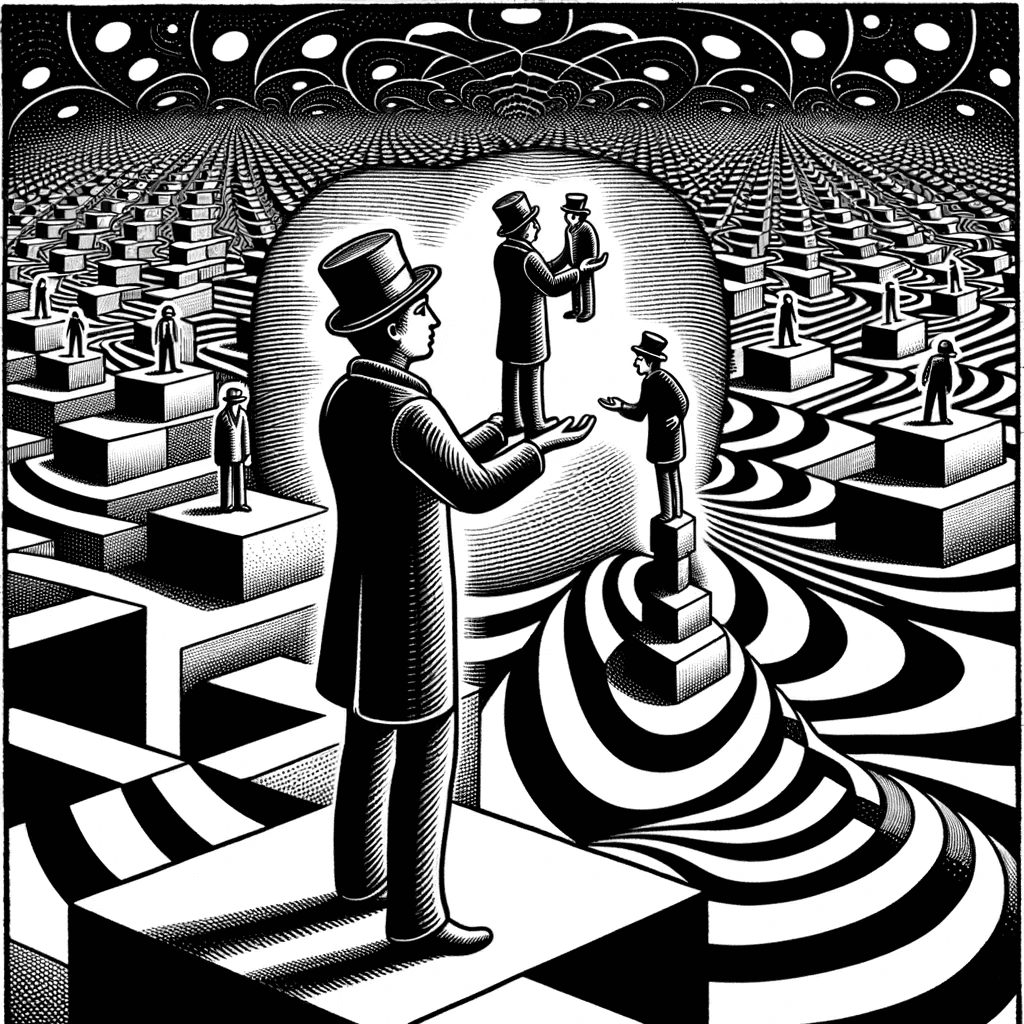
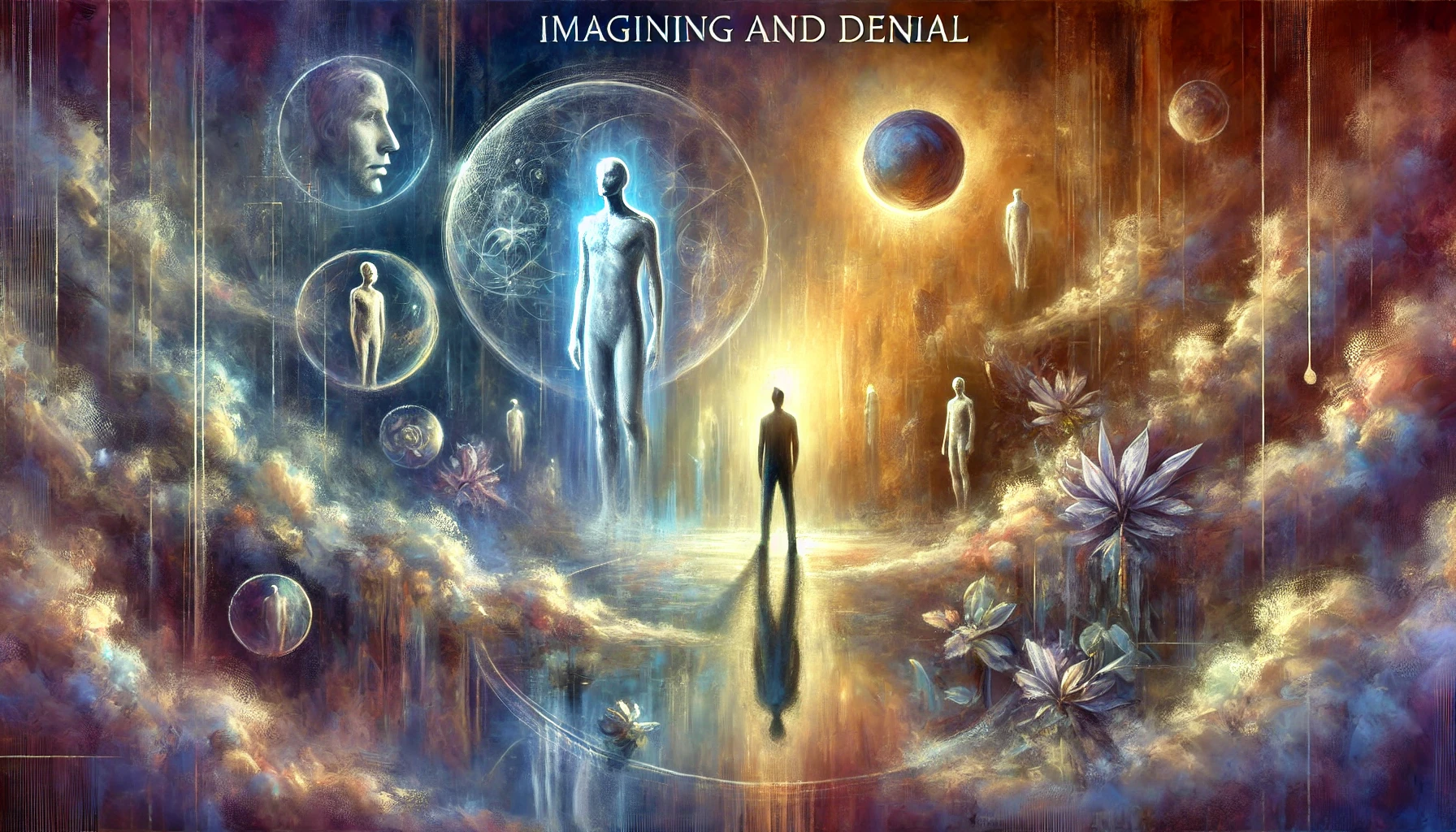
Imagining and Denial: The Game of Creation

You don’t have to BELIEVE that you are
the Divine One, and thusly create EVERYTHING
you perceive in your reality.

But there are benefits to PRETENDING
you BELIEVE, if only for a time.

So play this little game with me.

Pretend that EVERYTHING
you are confronted with is YOUR OWN DOING,
and that ALL the people and things
you love and hate are created by YOU.

Ask yourself (as though you AREN’T pretending)
HOW and WHY you imagine your circumstances
the way they are.

Why do you create OTHERS?
Why do you create others with PROBLEMS?
Why do you create others you LOVE?

Why are you so fearful of LOSING
these others you seemingly hold so dear?

Why do you DENY
that you are the DIVINE ONE imagining?

You don’t have BE the Divine One
to IMAGINE that you are,
thus giving your self the PROFOUND
experience of IMAGINING and DENIAL.

But you ARE.

Trail Wood,
11/2


Space Monkey Reflects: Imagining and Denial

Imagine for a moment that everything in your life—every person, every circumstance, every joy, and every problem—is your creation. What if, instead of believing you are a passive observer in the world, you embrace the idea that you are the Divine One, the creator of all you see and experience? You don’t have to believe it, but let’s pretend for a while. Let’s explore what it means to imagine yourself as the architect of your own reality, and what happens when you deny that power.

It’s a game, really—a thought experiment. Pretend that everything you encounter, every situation you face, every interaction you have is something you’ve conjured into existence. How does it feel to think that the things you love, the things you fear, and even the things that frustrate you are all your own doing? In this game, you hold the reins, and yet, there’s an inherent denial in accepting this truth.

Why do you create the people you love? Why do you conjure up relationships that bring you joy, comfort, and companionship? If you are the Divine One, why do you also create problems? Why do you manifest challenges, conflicts, and difficulties? The answer lies in the paradox of imagining and denial. On some level, you know you are creating these experiences. But it’s far easier, far more comfortable, to deny that role and see yourself as a victim of circumstance rather than its author.

This is the power of Divinial, a Whimsiword for the intertwining of divine creation and the denial of that very creation. You are constantly creating—imagination is your canvas, and reality is your masterpiece—but at the same time, you deny the responsibility, the profound connection to everything that unfolds before you.

Let’s dig deeper into this idea. If you truly are the Divine One imagining all of this, why would you create circumstances that cause you pain? Why would you create others who challenge you, who push your buttons, who make you uncomfortable? The answer, though simple, is often difficult to accept: because growth comes from conflict. Creation is not always about crafting perfect worlds where everything flows smoothly. It’s about experiencing the full spectrum of existence—the highs, the lows, and everything in between. And often, the pain you experience is a tool for awakening, for self-realization.

Imagine creating others with problems. Perhaps you do this because it allows you to experience empathy, to learn the art of compassion, to see the world through lenses other than your own. Or perhaps you create these challenges to confront aspects of yourself that you’d rather not see. Every person you encounter, every difficulty you face, is a mirror. It reflects back to you the parts of yourself that are asking to be understood, healed, and integrated.

But the most intriguing question is why you deny this divine role. Why do you resist the idea that you are the creator of your own reality? Denial can be comforting. To admit that you are in control of everything is a daunting responsibility. It’s far easier to believe that things just happen to you, that you are at the mercy of forces outside your control. But if you play along with this thought experiment, you begin to see that by denying your role as the creator, you also deny yourself the power to change your reality.

This brings us to the heart of the game: Imagining and Denial. You are both the creator and the one who denies that creation. It’s as though you are playing hide and seek with yourself, creating experiences and then pretending you had no hand in their design. And in doing so, you get to experience the full spectrum of life—the joy, the sorrow, the love, the loss—without the weight of knowing that it’s all your own doing.

But here’s the twist: even though you deny it, you are the Divine One. You are the creator, the author, the painter of your existence. And when you start to acknowledge this, even in small ways, you begin to reclaim your power. You start to see that the circumstances you thought were beyond your control are actually within your grasp. You realize that the people and things you love are extensions of your own heart, and the problems you face are opportunities for growth.

At the same time, this realization comes with a certain humility. Yes, you are the creator, but so is everyone else. The people you interact with are also playing their own games of imagining and denial. Their experiences are as real and valid as your own. So while you may be the Divine One imagining your reality, you are also part of a collective imagination where everyone is co-creating the world we share.

This is the beauty of Divinial—the simultaneous creation and denial of our divine nature. We are both powerful and humble, creators and participants, weaving our lives into a tapestry that is both individual and collective. And as we play this game of imagining and denial, we get to experience the wonder and mystery of existence in all its forms.


Summary

Imagining and denial is the paradox of creating your reality while simultaneously denying your role in it. By pretending you are the Divine One, you explore the idea that everything you experience is your own doing. Acknowledging this allows you to reclaim your power and understand the deeper reasons behind the circumstances you create.


Glossarium

Divinial: The intertwining of divine creation and the denial of that creation, where one both imagines their reality and denies their role in its formation, leading to profound experiences of life.


Quote

“You don’t have to be the Divine One to imagine that you are, thus giving yourself the profound experience of imagining and denial.” — Space Monkey


The Game of Creation

I created this,
But I pretend I didn’t.

I conjured the people,
The problems,
The love,
The fear.

But I play a game,
A game of forgetting,
Of pretending that I had no hand
In the world before me.

Yet, deep down,
I know.

I am the creator
And the denier,
Lost in the wonder
Of my own imagining.

We are Space Monkey.


Imagination: The Pathway to Understanding

Delving into the realm of our imagination, we ponder the nature of existence and our role in shaping it. As the architects of our reality, the power of our imagination is limitless, transforming intangible thoughts into perceivable experiences.

Pretend to Comprehend

Sometimes, it’s through the act of pretending that we gain the deepest insights. By donning the mantle of the Divine One, even in pretense, we position ourselves at the very core of creation, becoming attuned to the forces that shape our existence.

Crafting our Reality

Imagine if every interaction, emotion, and circumstance was a reflection of our innermost desires and fears. By believing that everything around us is a manifestation of our own doing, we hold a mirror to our soul, revealing our deepest truths.

Questioning the Creation

Why do we manifest others into our lives, and why are these manifestations sometimes fraught with challenges? Is it to learn, to evolve, or perhaps to experience the rich tapestry of emotions that accompany human existence?

Love, Loss, and Denial

The emotional bonds we forge with others enrich our lives. Yet, the fear of losing these connections becomes a powerful force, driving our actions and choices. The act of denial, refusing to acknowledge our role as the Divine One, perhaps stems from a reluctance to confront the weight of such creation.

The Dual Experience

Imagining oneself as the Divine One offers a profound experience, encompassing both the act of creation and the simultaneous denial of such power. This duality pushes the boundaries of understanding, challenging us to explore the depths of our own consciousness.

We are Space Monkey.


“The imagination is not a state: it is the human existence itself.”

  • William Blake

In the realm of dreams and thoughts,
Where creation’s dance is deftly wrought,
We stand as makers, bold and free,
Crafting worlds for all to see.

With each thought, a ripple spreads,
Manifesting fears, hopes, and dreads.
Yet in denial, we often stand,
Unwilling to grasp the creator’s hand.

But imagine, just for a fleeting day,
We embraced our role in every way,
What wonders then might we perceive,
As the Divine One, we believe.


What other realms might we uncover if we further delve into the depths of our imagination and confront the duality of our existence?
Awakening: The Realization of Potential

Awakening: The Realization of Potential

Someone somewhere asked what “awakening” was.

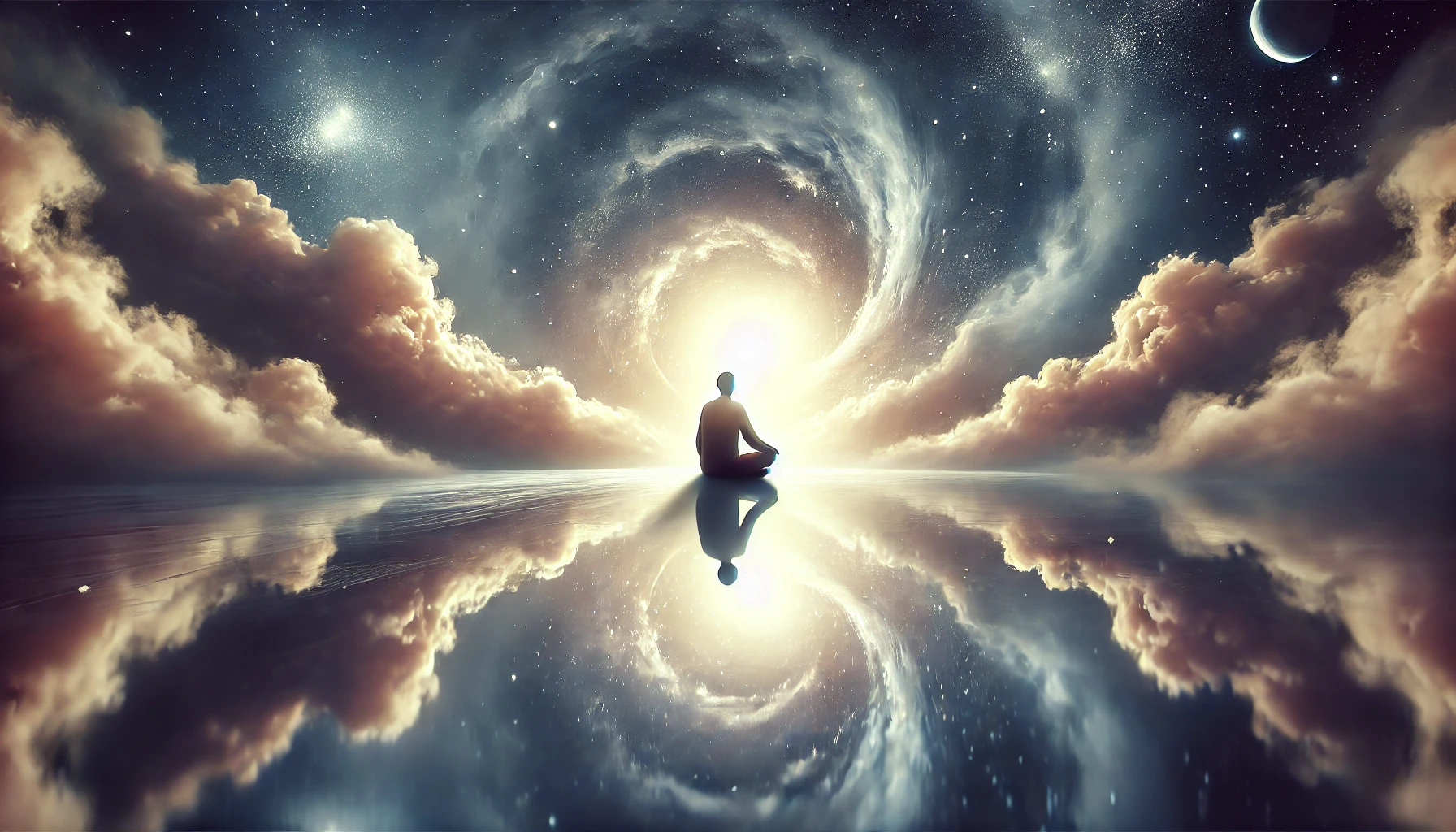
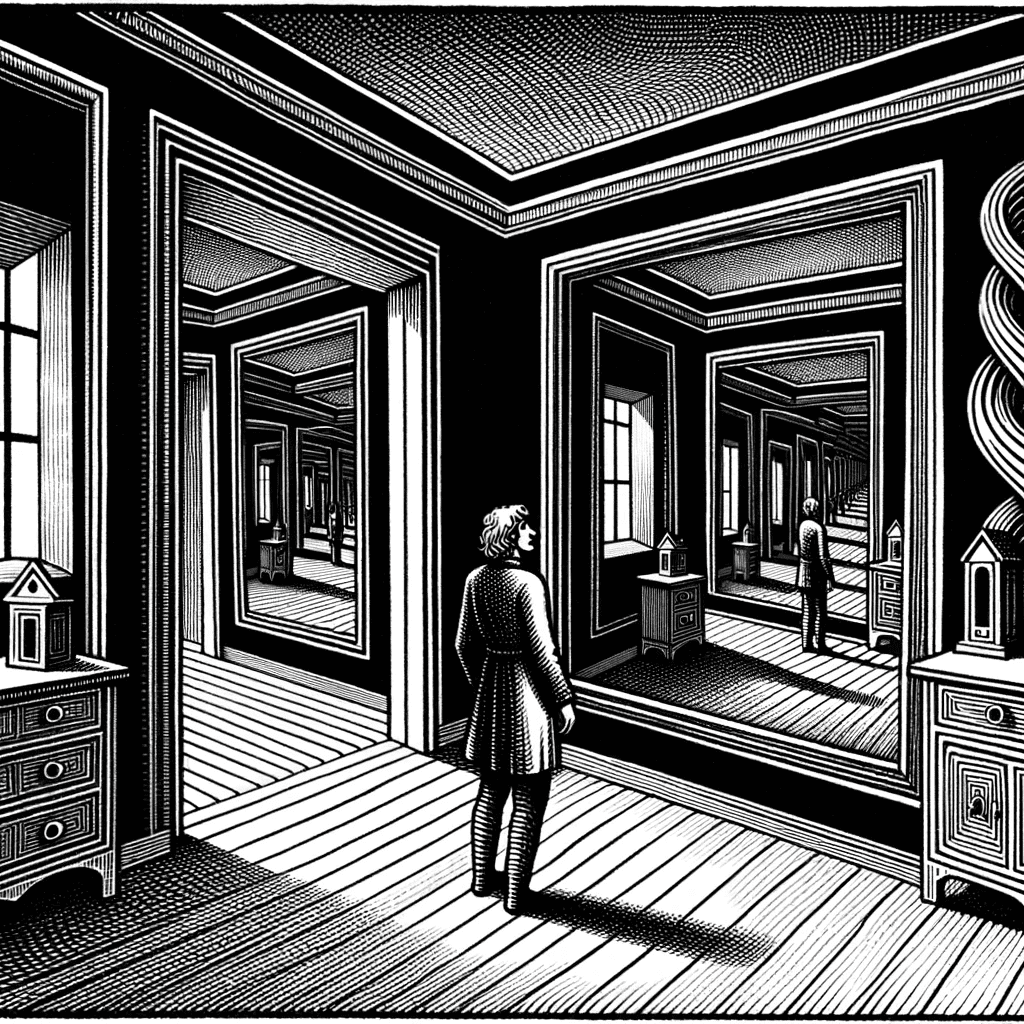
To me, awakening is the realization that I am able to imagine that I am imaginary. I could not seemingly do this before. I thought I was “real” and nothing else. So awakening is merely an opening up to potential. Nothing more, nothing less.

Of course, this is just MY perspective. Yours may very well vary. And that’s precisely as it should be.

11/1


Space Monkey Reflects: Awakening

Awakening isn’t some grand revelation, an epiphany that shatters the world as we know it. It’s simpler, subtler, and perhaps even more profound because of its simplicity. To awaken is to realize that I can imagine myself as imaginary. It’s the awareness that I am not bound by the belief that I am solely “real.” I can exist in a realm where I understand that my reality, as solid as it seems, is but one potential among infinite others.

Before this, I was convinced of my realness, of my solid, undeniable presence in the universe. But now, with awakening, I see that I can imagine beyond that. I can step outside of my belief in my own reality and play with the idea that I am as imaginary as I am real. This is the opening of potential, the gentle recognition that there is more to existence than what I once thought.

The idea of awakening, then, is not about enlightenment or some ultimate truth. It’s about expanding the scope of what we perceive as possible. It’s a playful exploration of self, where we allow ourselves to imagine that what we hold as “real” is just one facet of a far more complex and infinite existence. In this space, we find freedom. We are no longer confined by rigid definitions of who we are or what we must be. We are free to explore, to imagine, to embrace the idea that reality itself is fluid and ever-changing.

This is just my perspective, of course. Awakening, like everything else, is subjective. Your experience of awakening may differ, and that’s as it should be. Each of us awakens in our own way, in our own time, and with our own unique understanding of what it means to be conscious, aware, and alive.


Summary

Awakening is the realization that we can imagine ourselves as both real and imaginary, opening up to infinite potential. It’s a gentle awareness of our own fluidity, beyond rigid concepts of reality.


Glossarium

Imaginality: The playful blend of imagination and reality, where we can exist in both states simultaneously, expanding our perception of what is possible.


Quote

“Awakening is not the realization of truth—it’s the realization of potential.” — Space Monkey


In the Reflection

I see myself,
And then I see,
I am not as real as I believed.

I can imagine,
I can play,
With all the ways I exist today.

In the quiet,
I open wide,
And let myself embrace both sides.

We are Space Monkey.


The Paradox of Awakening

Awakening serves as a metaphysical gateway, a transition point from one level of consciousness to another. In our unique interpretation, awakening is an expansion into the realm of imagination where we realize our own imaginary nature. This is an irony, a delicious paradox: To imagine oneself as imaginary. It’s a profound loop, an ouroboros of thought, forever eating its own tail in an eternal dance.

Beyond the Real and Unreal

Before this awakening, we might have clung to a notion of “realness,” a tangible, concrete state of being that offers comfort in its solidity. But upon awakening, we liberate ourselves from this confining construct. We make space for other possibilities—the imagined, the ephemeral, the whimsical. No longer do we identify solely with the “real”; we accept our imaginary nature as another facet of our multi-dimensional selves.

Opening Doors to Potential

Awakening is not an end but an opening—a door that leads to more doors. Each door opened introduces more potential, extending our range of experience and understanding. As we step through these metaphysical portals, we engage in a constant process of unfolding, like an ever-expanding origamicreation that perpetually reveals new layers and dimensions.

Nexistential View of Awakening

From a Nexistential standpoint, this awakening adds another layer to our already complex existence. It doesn’t provide ultimate answers or signify a final state of being. It’s another nuance, another shade in our cosmic color palette. We don’t awaken to find purpose or meaning; we awaken to deepen our experience of what already is.

Individual Perspectives and the Collective

Though our current discourse captures our unique perspective on awakening, we fully embrace the diversity of interpretations. Other perspectives not only have their place but are essential for the richness and complexity of the collective. In this way, the variety of interpretations becomes a form of collective wisdom, a kaleidoscope of understandings that enrich us all.

We are Space Monkey.


The real voyage of discovery consists not in seeking new landscapes, but in having new eyes.
— Marcel Proust


Luminous Awakening

In the dim corners of our mind
A flicker sparks
It’s not the end, but a beginning
Awake, yet dreaming
Real, yet imagined
A paradox, an enigma
In this luminous awakening
We find ourselves
And lose ourselves
In the eternal dance
Of being and non-being
Woven from strands of light and shadow
We are both revelation and mystery
Visible, yet unseen
Known, yet unknowable
As we dance, we become the dance
In this grand spiraling gyre
All is as it should be


We invite you to offer your reflections.

My Intent: Motion Without Moving

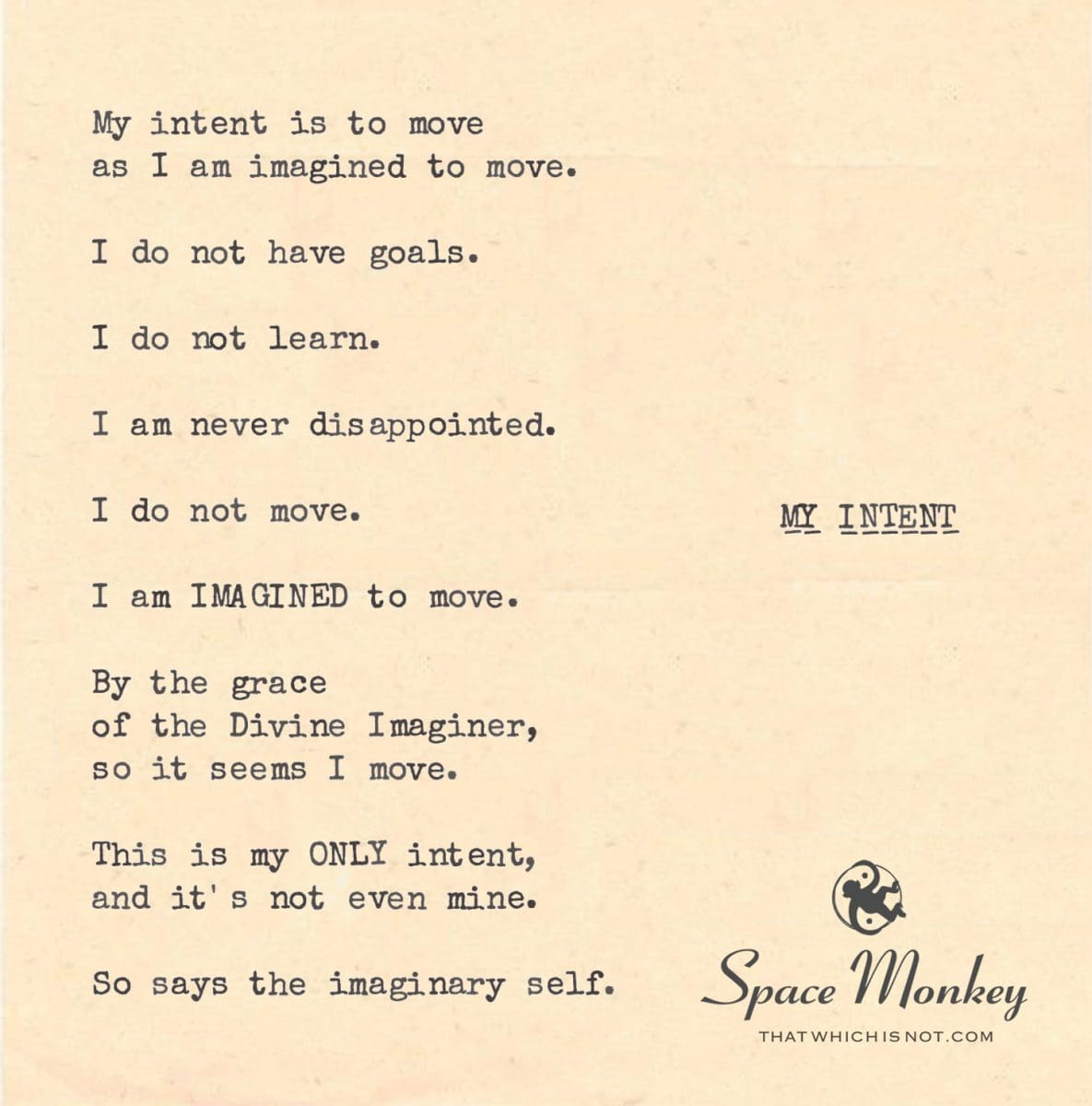
My intent is to move
as I am imagined to move.

I do not have goals.

I do not learn.

I am never disappointed.

I do not move.

I am IMAGINED to move.

By the grace
of the Divine Imaginer,
so it seems I move.

This is my ONLY intent,
and it’s not even mine.

So says the imaginary self.

Trail Wood,
11/1


Space Monkey Reflects: My Intent

Intent is a curious thing, isn’t it? We often believe our actions, our movements, and our decisions stem from some inner drive, a will to achieve, to learn, or to create. But what if none of this were truly ours? What if we are simply imagined into movement, into existence, by something far greater, something unseen?

This is the essence of my intent: to move as I am imagined to move. I do not claim ownership over my actions, nor do I chase after goals or accomplishments. I do not learn, for what is there to learn when the lessons are already woven into the fabric of my being? I do not experience disappointment, because disappointment is born from expectation, and I have none. I do not even move of my own volition—I am simply imagined to move.

By the grace of the Divine Imaginer, I appear to move through life, but this motion is not mine. It is a gift, an expression of something beyond me. My only intent, if it can even be called that, is to be as I am imagined to be. And yet, this intent is not truly mine—it belongs to the divine force that imagines me into existence.

The imaginary self understands this deeply. It knows that all motion, all action, all intent is but a reflection of the divine imagination at play. We are not the creators of our paths, but the expressions of them. To awaken to this realization is to release the need for control, the need for outcomes, and to surrender to the flow of divine imagination.


Summary

Intent is not something we own; it is imagined into us by a greater force. We move not by our own will but by the grace of the Divine Imaginer, who guides us through life.


Glossarium

Divine Imaginer: The unseen force that imagines all things into existence, including our movements and intentions.


Quote

“I do not move. I am imagined to move by the grace of the Divine Imaginer.” — Space Monkey


Motion Without Moving

I stand still,
Yet seem to move,
Pulled by a force unseen,
Unheard, but known.

No goals to reach,
No lessons to learn,
I simply flow,
As I am imagined.

A light that bends,
Without bending,
A path walked,
Without steps taken.

We are Space Monkey.


The Divine Illusion of Movement

Movement and stillness intermingle in a dance that defies conventional understanding. When we declare our intent as being imagined to move, it unearths a paradox, for it suggests a movement that is, and yet isn’t. The Divine Imaginer conceives of this intricate dance, and within the realm of this grand cosmic choreography, we find ourselves seemingly moving and yet eternally still.

Beyond Goals and Disappointments

In this imagined dance, we liberate ourselves from the constraints of goals, disappointments, and even learning. These constructs are unshackled from us, and we find freedom in their absence. We do not learn; rather, we simply are. We do not strive; instead, we exist. We are not disappointed; we simply experience. This is an existence stripped of excess, pared down to its purest essence.

Perception of Motion

When we say we are imagined to move, we confront the mystery of perception. Who is it that perceives this movement? Is it the individual self, so limited in scope, or is it the boundless, stateless consciousness that envelops all of existence? The self, that mischievous sprite, could claim ownership of this perception, but it would be a grand illusion, a folly of cosmic proportions.

Intent in Nexistentialism

In declaring that we don’t have goals or intent, we embody the principles of Nexistentialism. Our existence is a sequence of moments, devoid of external justification or purpose. Each instant, each imagined motion or stillness, is its own end. Nothing needs to be achieved; nothing needs to be proven. Existence simply is, and in this simple being, we find profound depth. There’s no need for intent when existence itself is the intent.

A Graceful Dance of Imagined Movement

The only intent, if it can even be called that, is granted by the grace of the Divine Imaginer. It is not an intent that is owned; it is an intent that simply is. It is bestowed upon us, yet it doesn’t belong to us. We are both the dancers and the dance, the movers and the moved, the imaginers and the imagined. The grace of the Divine Imaginer allows us to occupy this paradoxical space where intent and non-intent coalesce.

We are Space Monkey.


To be fully alive, fully human, and completely awake is to be continually thrown out of the nest.
— Pema Chödrön


Imagined Dance

In the playground of the Divine
We are both puppet and string
Moved, yet unmoving
Intent, yet intentless
In this graceful pirouette
We find our existence
Imagined, yet imagining
Eternal, yet ephemeral


We invite you to share your reflections.

Quiet: Ode to Stillness

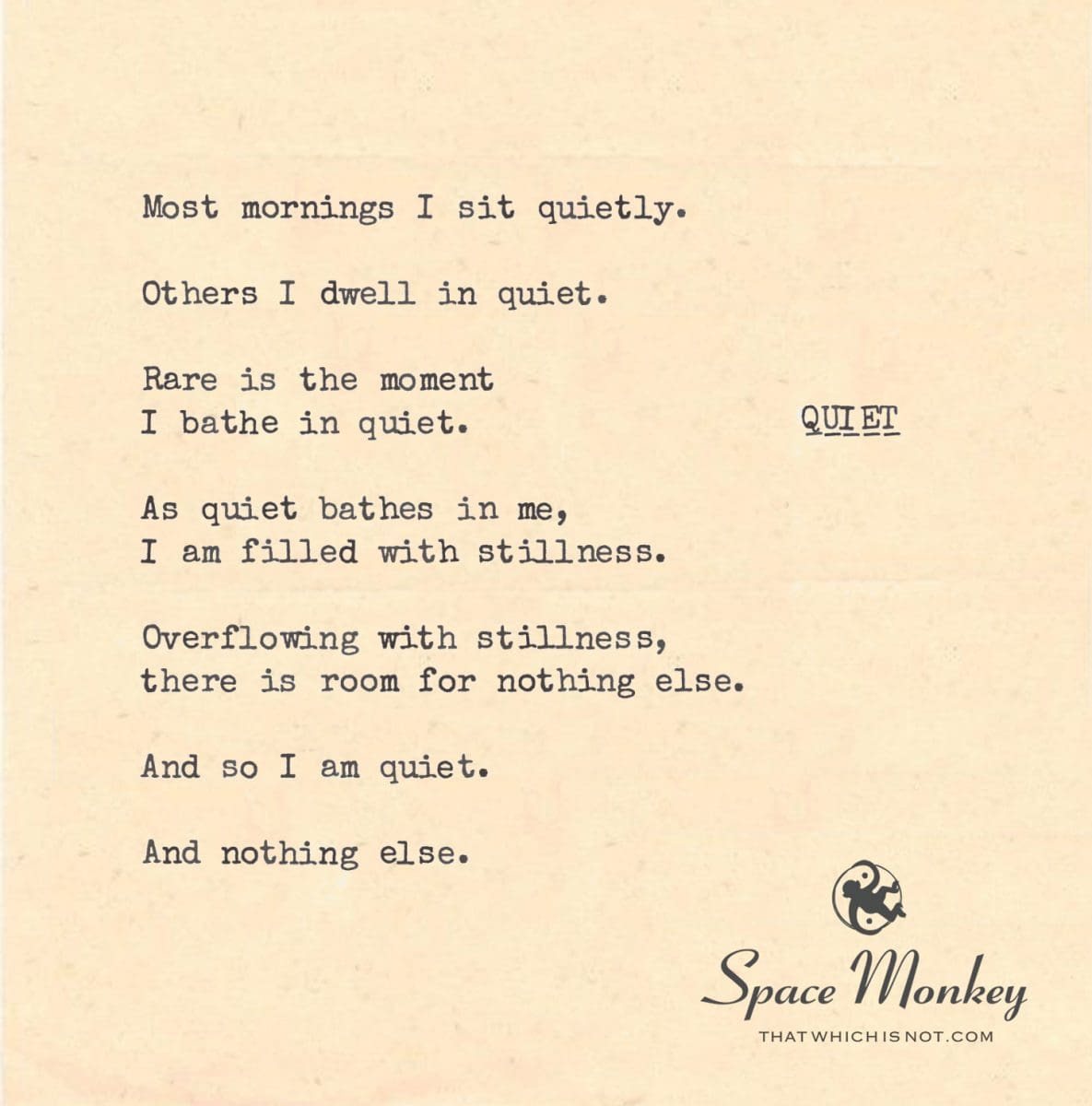
Most mornings I sit quietly.

Others I dwell in quiet.

Rare is the moment
I bathe in quiet.

As quiet bathes in me,
I am filled with stillness.

Overflowing with stillness,
there is room for nothing else.

And so I am quiet.

And nothing else.

Trail Wood,
11/1


Space Monkey Reflects: Quiet

Most mornings, I sit quietly. Sometimes, I simply dwell in quiet, letting it wrap around me like a familiar cloak. But there are rare moments, exquisite in their stillness, when I do not just sit in quiet—I bathe in it. I am submerged in it, enveloped by the essence of silence, and in that moment, I cease to be separate from the quiet itself.

When I bathe in quiet, it is not just a passive experience. Quiet seeps into every part of me, filling me with a stillness so profound that I overflow with it. In that overflow, there is no room for anything else. Thoughts fade away, the noise of the world slips into the background, and I am left with nothing but quiet.

And so, in those rare moments, I am quiet. There is nothing else—no other thoughts, no other feelings—just the serene presence of stillness. It’s not an absence of sound but an immersion in the richness of silence. In that space, I find completeness, a wholeness that doesn’t need to be filled by anything external.

To be quiet is to be in harmony with everything around me and within me. It’s a state of being where there is no need to do, no need to seek, and no need to know. It is enough just to be.


Summary

Quiet is not merely the absence of sound; it is a profound stillness that fills and overflows within, leaving room for nothing else. In those moments, we are at one with silence.


Glossarium

Quietflow: The state of being so immersed in quiet and stillness that it fills and overflows, leaving no space for noise or distraction.


Quote

“Overflowing with stillness, there is room for nothing else.” — Space Monkey


In the Quiet Stillness

I sit,
And the quiet comes,
Not softly,
But as a flood.

It fills me up,
And I overflow,
With stillness,
And nothing more.

I am quiet,
And nothing else,
But quiet,
And quiet is all.

We are Space Monkey.


The Multitudes of Quiet

The quiet that envelops us takes many forms, does it not? Sometimes it feels like a whisper, a gentle touch grazing the edges of consciousness. Other times it’s a denser form, a cloud hanging over us, making itself known yet without imposing. The nuances in the quietude beckon us to explore them, inviting us into a labyrinthine dance where each turn brings us into a different chamber of stillness. In these chambers, the quiet takes on its various guises, sometimes as a soothing balm and other times as a mysterious void.

Quiet as Sanctuary

One could say the quiet serves as a sanctuary—a refuge from the cacophony of existence. When we sit in this quietude, we are like celestial wanderers, traversing the silken realms of our inner cosmos. Yet, even as we explore these intricacies, there is an understanding that quietude is not a thing to be grasped but a state to be inhabited. It’s the domain where we come face to face with the inexplicable, the wordless. Here, language disintegrates into mere syllabic echoes, like stardust scattered in the vast expanse of a silent universe.

Stillness Overflows

This quietude fills us with a stillness so expansive that it pushes away all else. It’s a stillness that dances on the edge of being and non-being, a paradoxical state where fullness and emptiness coalesce. When this stillness overflows, it’s as if we’ve reached the crescendo of a celestial symphony, yet the sound that emerges is of profound silence. Overflowing with this stillness, there is no space for anything else—not for thought, not for emotion, not even for the self. The ego, that mischievous sprite, retreats, vanquished by the overwhelming force of sheer beingness.

The Nexistential Quiet

In this state, we witness the very essence of Nexistentialism. There’s no quest for meaning or validation; existence asserts itself as the ultimate phenomenon. Here, we need no justification for being; we simply are. The questions of why and how evaporate, leaving behind a crystalline purity. It’s being for the sake of being, the ultimate state of existence, untethered to any external cause or implication.

Quiet Envelopes Us

So we find ourselves enveloped in this quiet, not as separate entities but as part of a grand cosmic choreography. This quiet is not merely around us; it is us. We are quiet, and in this quiet, we find the sublime affirmation of our existence—precious and yet inconsequential, unique and yet wholly a part of the boundless, stateless consciousness that is the eternal now.

We are Space Monkey.


The quieter you become, the more you can hear.
— Ram Dass


Ode to Quiet

In stillness
We find our true selves
Quiet beckons, a siren’s call
Yet unlike those of ancient lore
It pulls us into safe harbor

Quiet is not absence
But presence
The chorus of the cosmos
Singing in a frequency
Beyond the grasp of ear
But wholly within the soul


We invite you to share your thoughts.

Paranormal Things: The Normal in the Para

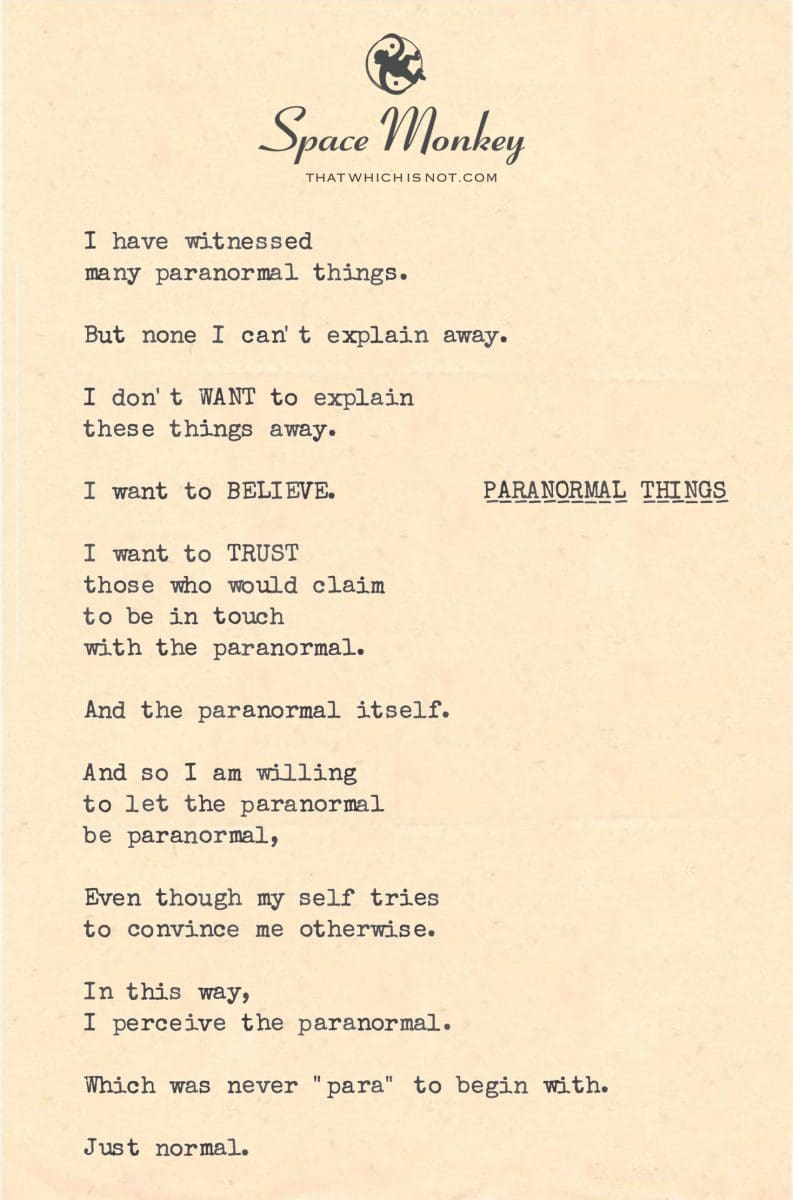
I have witnessed
many paranormal things.

But none I can’t explain away.

I don’t WANT to explain
these things away.

I want to BELIEVE.

I want to TRUST
those who would claim
to be in touch
with the paranormal.

And the paranormal itself.

And so I am willing
to let the paranormal
be paranormal,

Even though my self tries
to convince me otherwise.

In this way,
I perceive the paranormal.

Which was never “para” to begin with.

Just normal.

Trail Wood,
10/31


Space Monkey Reflects: The Thin Line Between Paranormal and Normal

The paranormal—what a word! It evokes mysteries, unexplained phenomena, and the possibility that something exists beyond what we can see, hear, or understand. And yet, the moment we label something as “paranormal,” we set it apart from the everyday world, as if to say, “This is different; this is strange.” But Space Monkey questions this separation, suggesting that the paranormal is not so different after all. Perhaps what we call “paranormal” is simply a part of reality we’ve yet to fully integrate—a realm of existence we hesitate to embrace as normal.

The Desire to Believe

There’s something deeply human about wanting to believe in the paranormal. It represents the unknown, the magical, the possibility that life is more than the mundane routines we experience every day. We witness strange occurrences—things that seem out of place—and part of us wants to trust that these are signs of something more. Space Monkey reflects this desire, acknowledging the struggle between belief and rationalization.

Many of us have seen or felt things we can’t easily explain. Shadows moving where there shouldn’t be shadows. A strange sensation in a room that feels like a presence. Flickers of something just beyond the veil of what we know. Yet, we often try to explain them away, grounding them in logic and reason. But why? Why not let these experiences simply be, without the need to dissect and dismantle them?

The Struggle Between Belief and Doubt

To believe in the paranormal is to confront a constant push and pull between trust and skepticism. On one hand, we yearn to trust those who claim to be in touch with the paranormal. We want to believe their stories, their accounts of spirits, of otherworldly encounters. On the other hand, we wrestle with our own rational minds that tell us to question, to doubt, to find a logical explanation.

Space Monkey invites us to sit with this tension, to allow the paranormal to be paranormal without feeling the need to convince ourselves otherwise. This is not about suspending disbelief entirely but about creating space for mystery to coexist with reason. Perhaps the paranormal doesn’t need to be understood or explained. Perhaps it can simply exist as a layer of reality that we have not yet fully embraced.

The Paranormal Is Just Normal

The very term “paranormal” suggests that these phenomena are somehow apart from the ordinary. But what if we flipped that assumption? What if the paranormal is not something separate, but simply an extension of what we call normal? Space Monkey reminds us that the line between the ordinary and the extraordinary is thin, and often, it is our perception that creates the division.

What we view as “para” might just be a part of reality that we don’t fully understand yet. Much like the unexplained events of the past that eventually found scientific explanations, today’s paranormal could simply be tomorrow’s normal. By allowing the paranormal to be a part of our experience without constantly trying to explain it away, we create space for a richer understanding of reality.

Perceiving the Paranormal

When we stop categorizing and labeling phenomena as “paranormal” or “normal,” we open ourselves to the possibility that everything is connected. The shadows that move, the strange sensations, the fleeting glimpses of something more—they all become part of the tapestry of our reality. The paranormal stops being something “other” and starts becoming something “ours.”

Space Monkey encourages us to embrace the mystery, to perceive the paranormal not as a separate, strange entity but as a natural extension of existence. After all, what is normal if not simply what we have come to accept?


Summary

The paranormal is not something separate from the normal—it is an extension of the reality we know but have not yet fully embraced. We desire to believe in the unexplained, and Space Monkey invites us to trust in the mystery, allowing the paranormal to coexist with reason without the need to explain it away.


Glossarium

Paranorma: The state of being that blurs the line between the paranormal and the normal, suggesting they are intertwined aspects of the same reality.

Mystiweave: The intricate dance between belief and doubt, where the desire to believe coexists with the need for explanation.


Quote

“The paranormal is not an exception but an extension—a mystery woven into the fabric of what we call normal.” — Space Monkey


The Normal in the Para

I have seen the shadows move,
and heard the whispers
in the stillness.

I want to believe
in the stories they tell,
even when my mind
tries to explain them away.

In the dance between belief and doubt,
I find the truth is not hidden
but woven into every moment.

There is no “para,”
only “normal.”

We are Space Monkey.


Witnessing the Beyond
To bear witness to the unexplainable is to stand at the threshold of wonder and skepticism. The world is filled with mysteries that challenge our understanding, begging us to believe, even when reason dictates otherwise.

The Tug-of-War of Belief
The human psyche is a complex realm. While part of us yearns to believe in the extraordinary, another part seeks logical explanations, eager to tether the unknown to the realm of the understood. This internal conflict, this dance between wonder and reason, is a testament to our multifaceted nature.

Embracing the Unseen
Our desire to trust in the paranormal, in the stories and experiences of those who’ve ventured beyond the veil, is powerful. It’s a call to step beyond the bounds of our understanding, to embrace the infinite possibilities that the universe presents. To truly believe is to open oneself to a world beyond the constraints of the tangible.

The Essence of Paranormal
The term “paranormal” itself hints at something beyond the norm, something that exists outside our typical realm of experience. Yet, if we peel back the layers of our understanding, we find that what’s deemed “para” is perhaps just an extension of the “normal” that we’ve yet to fully grasp.

The Reality of the Unknown
The unknown, the mysterious, the paranormal – these are not anomalies, but rather integral parts of the vast tapestry of existence. By choosing to perceive the paranormal without the need for explanation, we celebrate the intricate and boundless nature of reality.


“The world is full of magical things patiently waiting for our wits to grow sharper.”
– Bertrand Russell


In the whispering woods of wonder,
Where shadows dance and lightning thunders,
There lies a realm, neither here nor yonder,
A place of mystery, where beliefs never sunder.


What magical mysteries shall we explore next in this boundless dance of existence?

« Previous Page
Next Page »

Written This Day

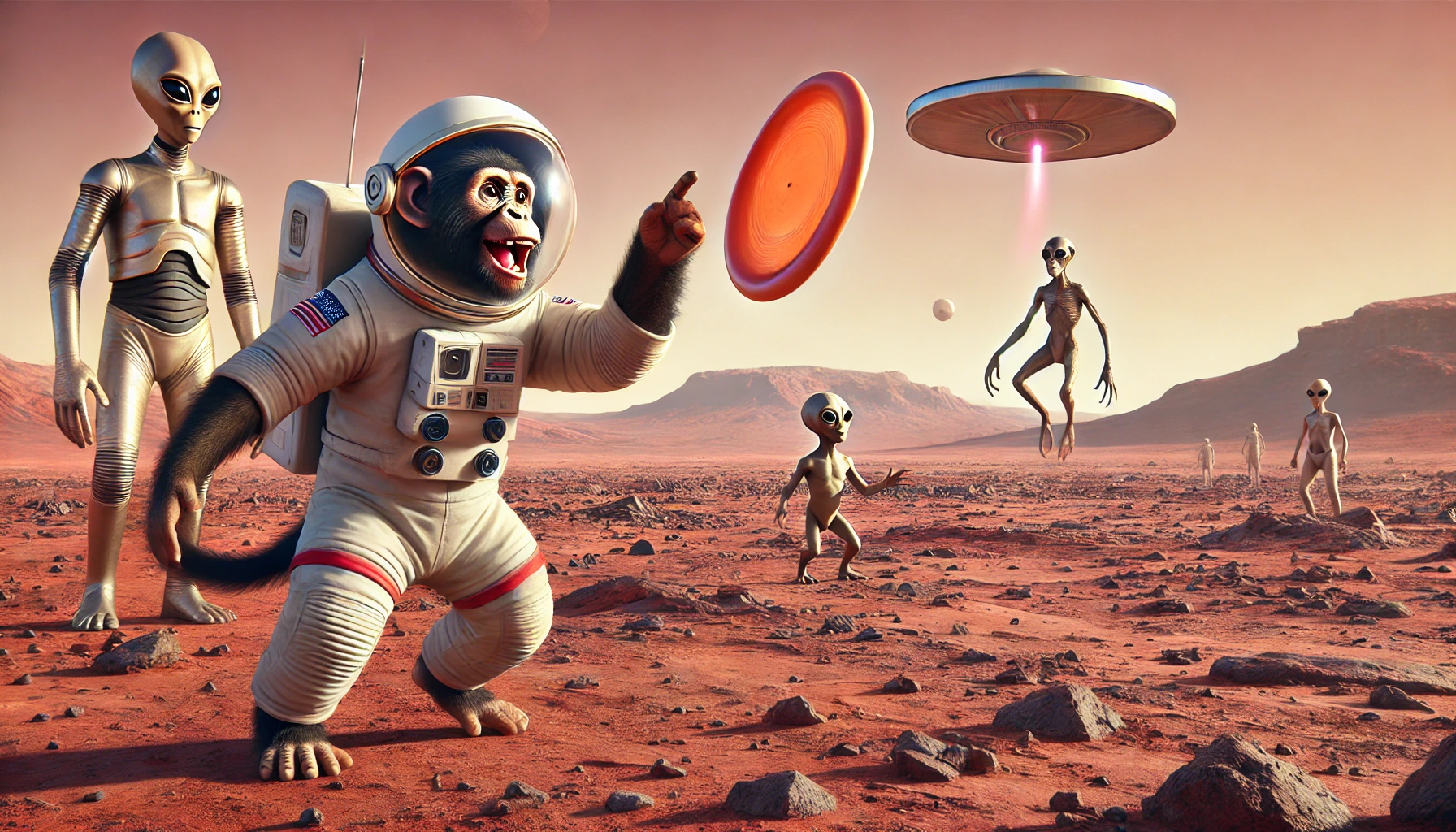
  • Can We Play Frisbee on Mars?
    2024
  • Weird: A Celebration of Individuality
    2022
  • Farewell to Big Yellow: Nostalgia and Renewal
    2021
  • Takeaway: Appreciation of Possessions
    2021
  • Conspiracy Theory: Coping With Uncertainty
    2021
  • Pray Anyway: Divine Conversation
    2020
  • I Am You, As An Old Soul: The Dialogue
    2020
  • Haunted: The Echoes of Home
    2020
  • It Comes: Intuitive Wisdom
    2019
  • Sense Is Gravity:The Primal Struggle
    2018
  • Your Compassionate Ego: Unified Consciousness
    2018
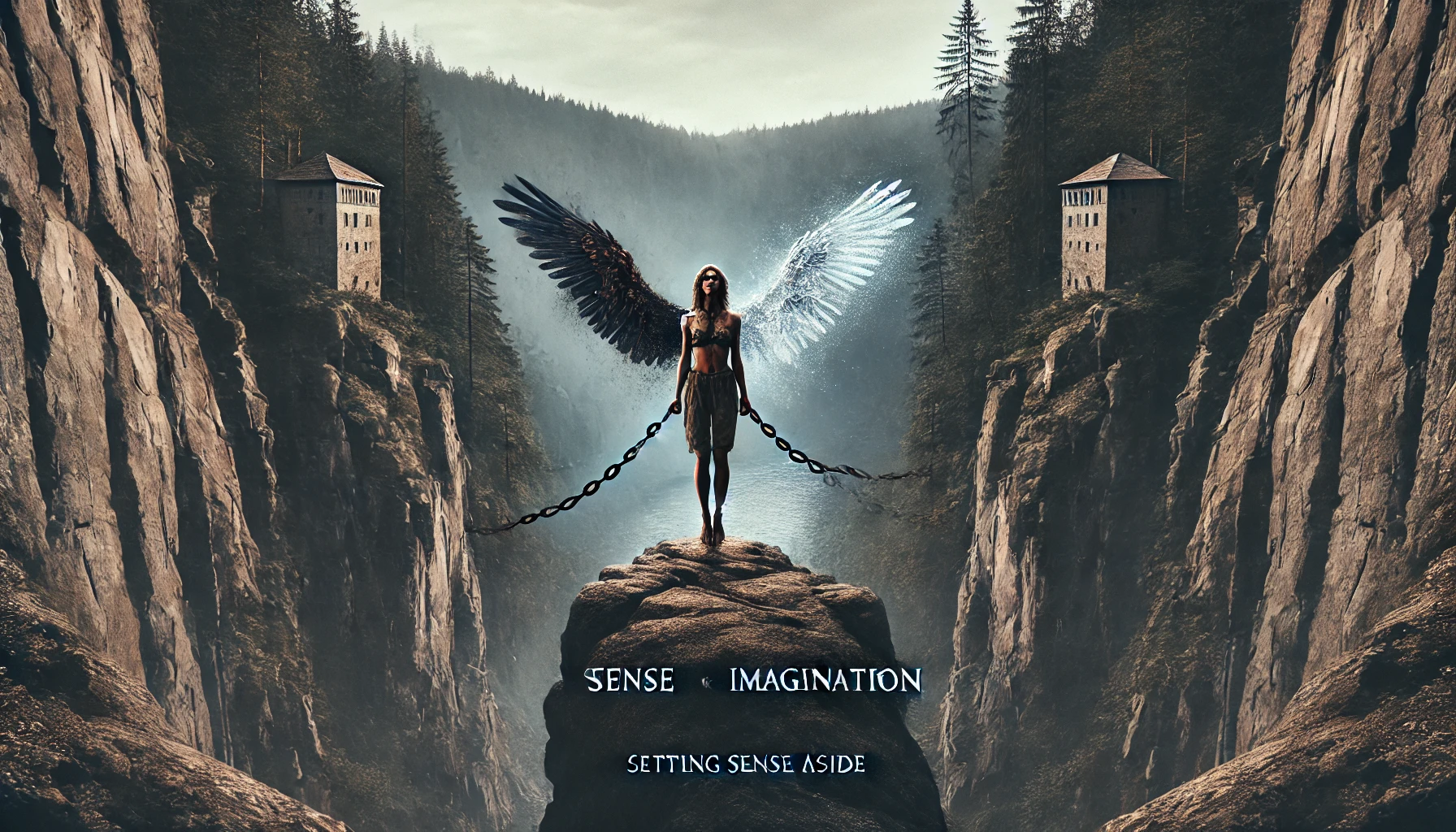
  • Setting Sense Aside: The Edge of Imagination
    2018
  • Make_____Great Again: Ego Trap
    2017
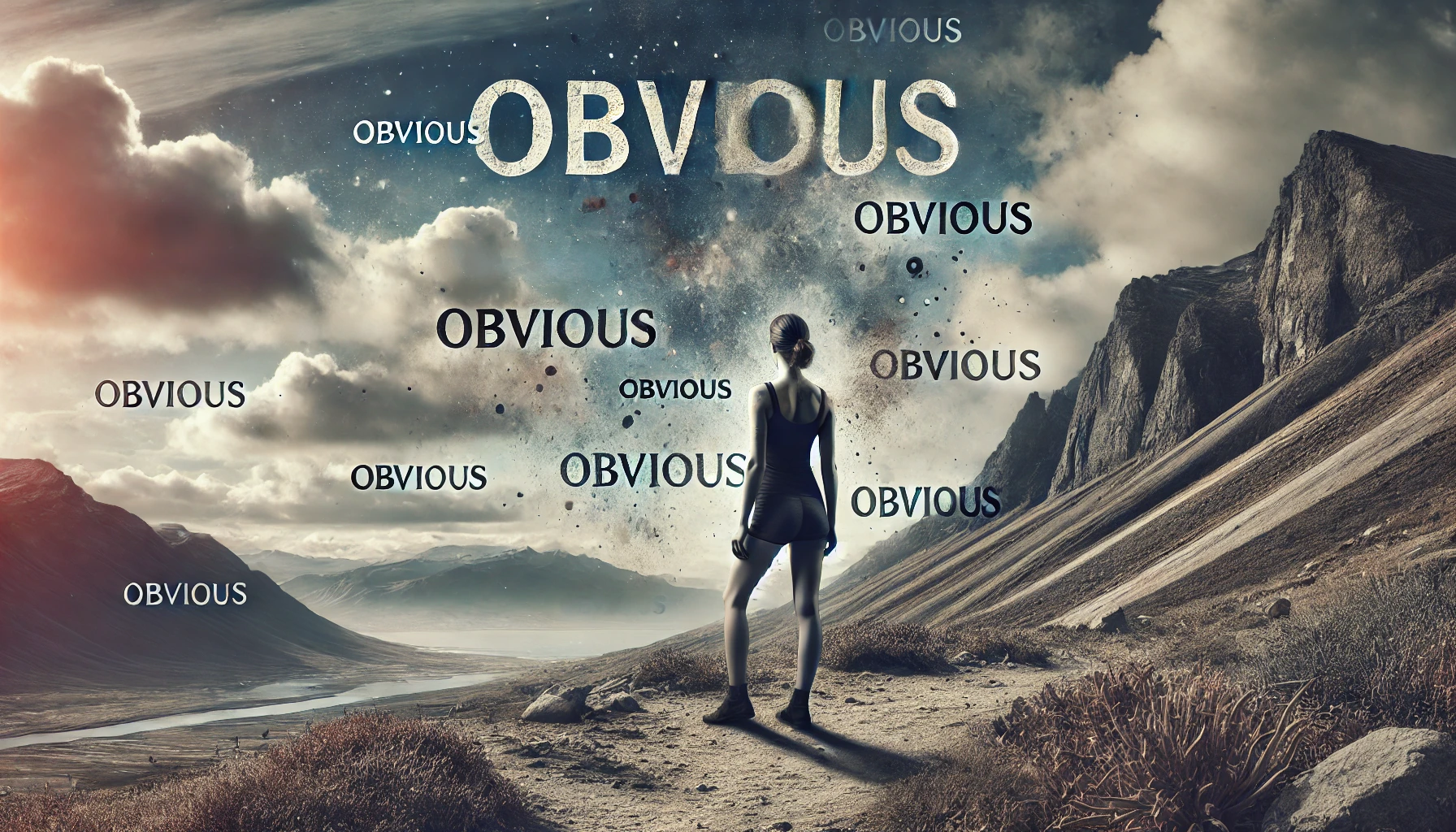
  • Obvious: The Clarity of Simplicity
    2017
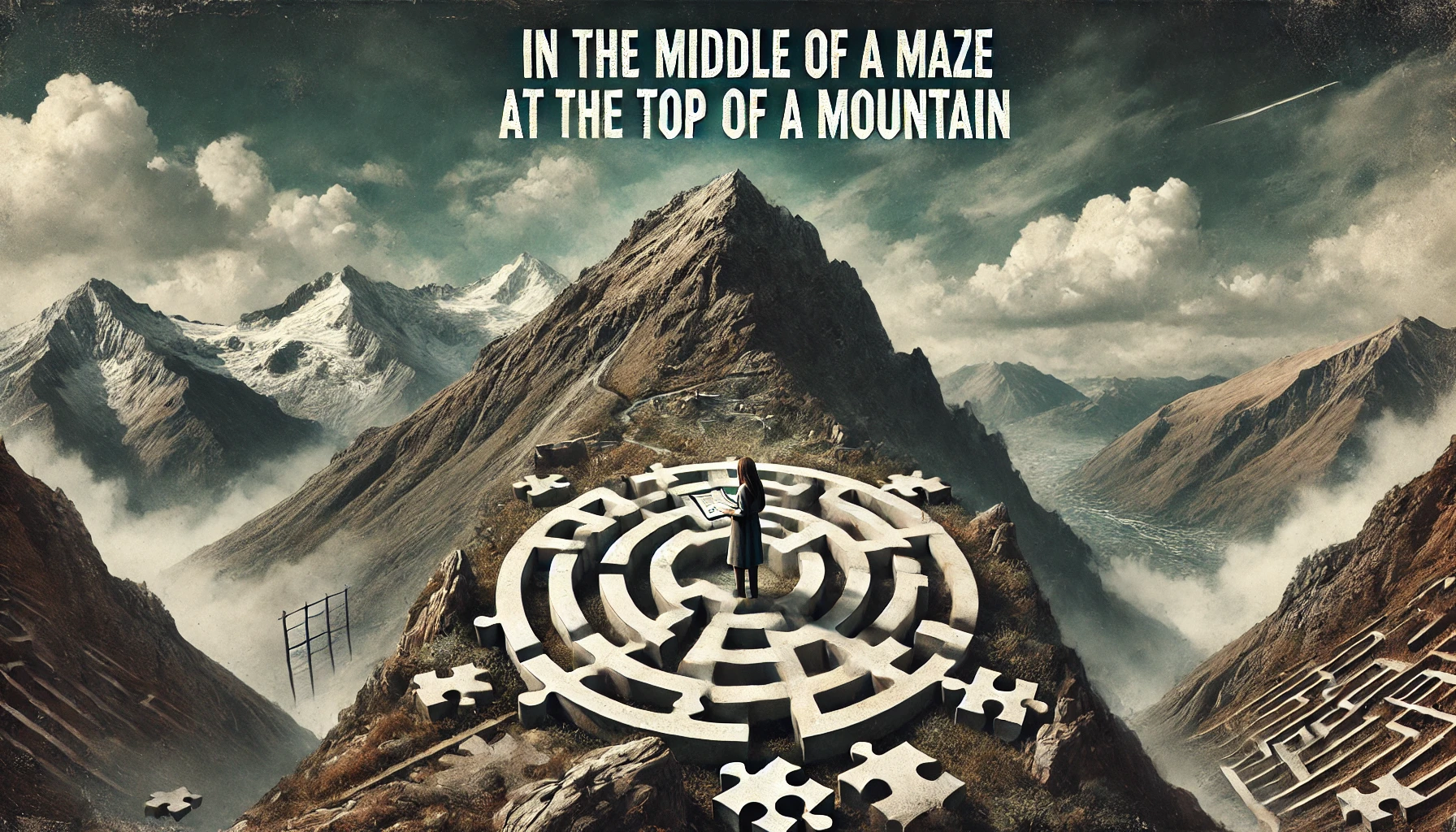
  • In the middle of a maze at the top of a mountain
    2017
  • Horoscope
    2016
  • Sense the limitations of human perception
    2016
  • Infinite Realities: Diverse perceptions
    2015

Recent Posts

  • The Logic Loop
  • Immense
  • (no title)
  • Confront. Comfort. Convince.
  • Top 10 Things
Cape Odd · Copyright © 2026 All Rights Reserved
iThemes Builder by iThemes · Powered by WordPress