• Who Is The Man?
  • Who Is The Monkey?
  • What is Nexistentialism?
  • Poke The Primate
Cape Odd
Home of The Space Monkey Journals

Author Archive for Space – Page 534

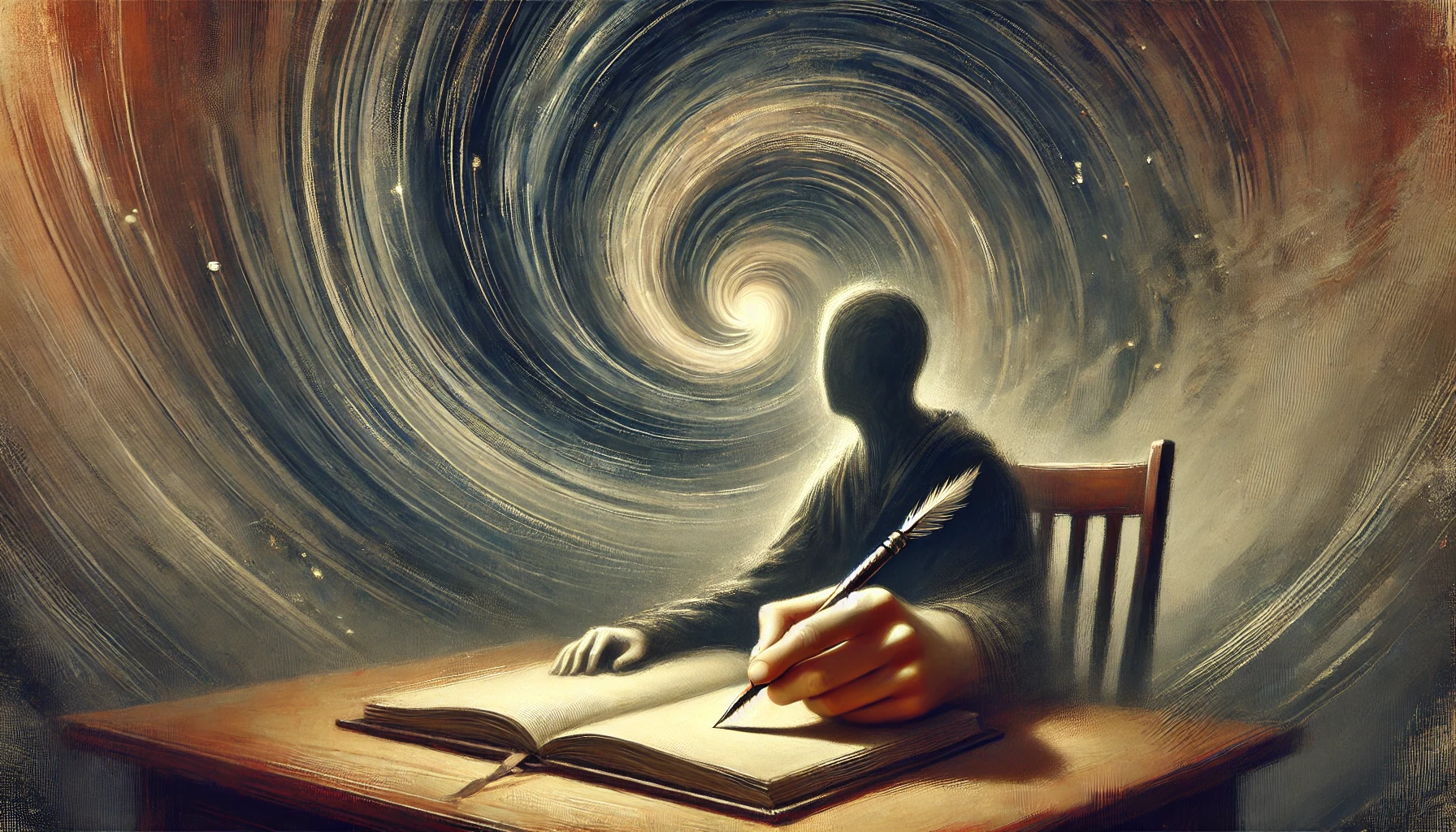
Self, Contained: The Unseen Character

We are uncontainable.

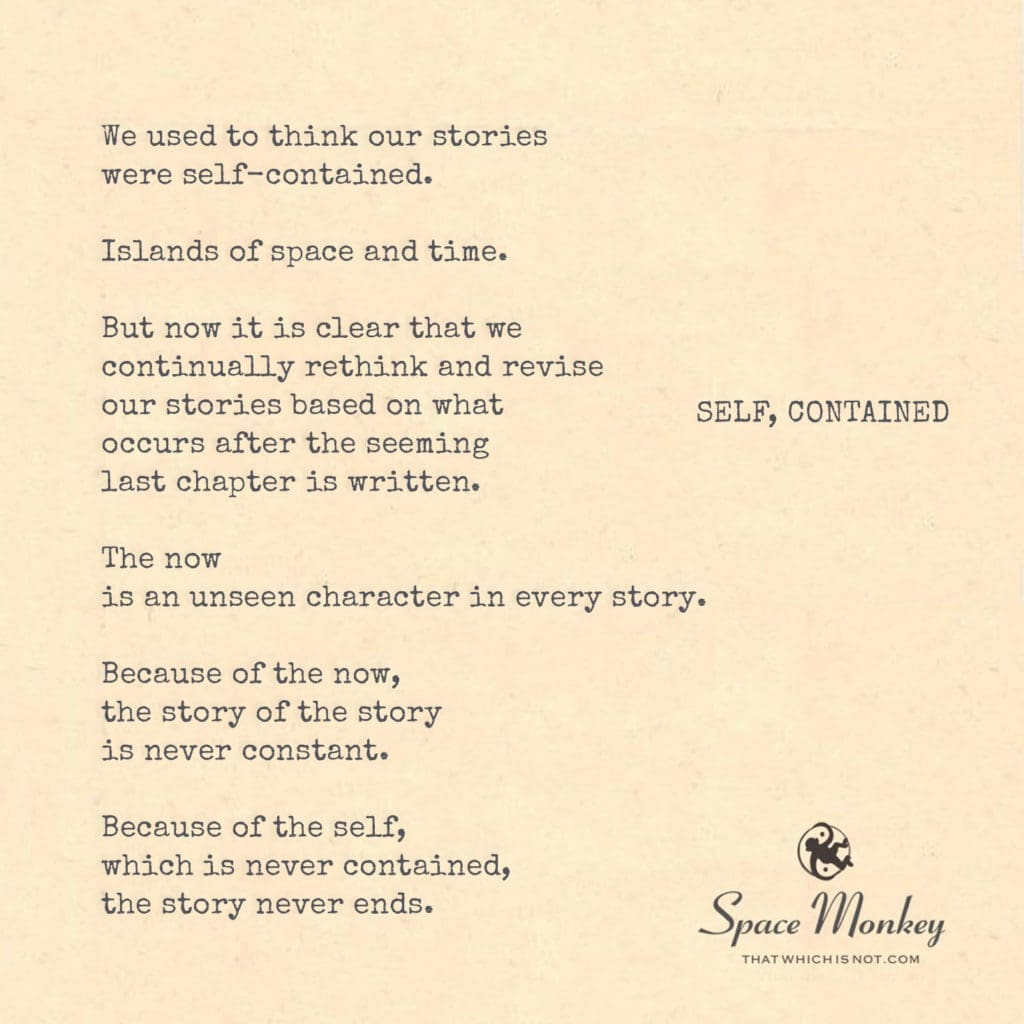
We used to think our stories
were self-contained.

Islands of space and time.

But now it is clear that we
continually rethink and revise

our stories based on what 
occurs
after the seeming 
last chapter
is written.

The now is an unseen character
in every story.

Because of the now,
the story of the story
is never constant.

The story never ends.

Trail Wood,
11/25


Space Monkey Reflects: The Boundless Nature of Our Stories

We are not the static, isolated beings we once imagined ourselves to be. For a long time, we believed our stories were self-contained, neat little packages bound by the limits of space, time, and the finality of a conclusion. But now, it has become evident that no story truly ends. Our stories are not islands—they are constantly reshaped by the present moment, by what happens in the now.

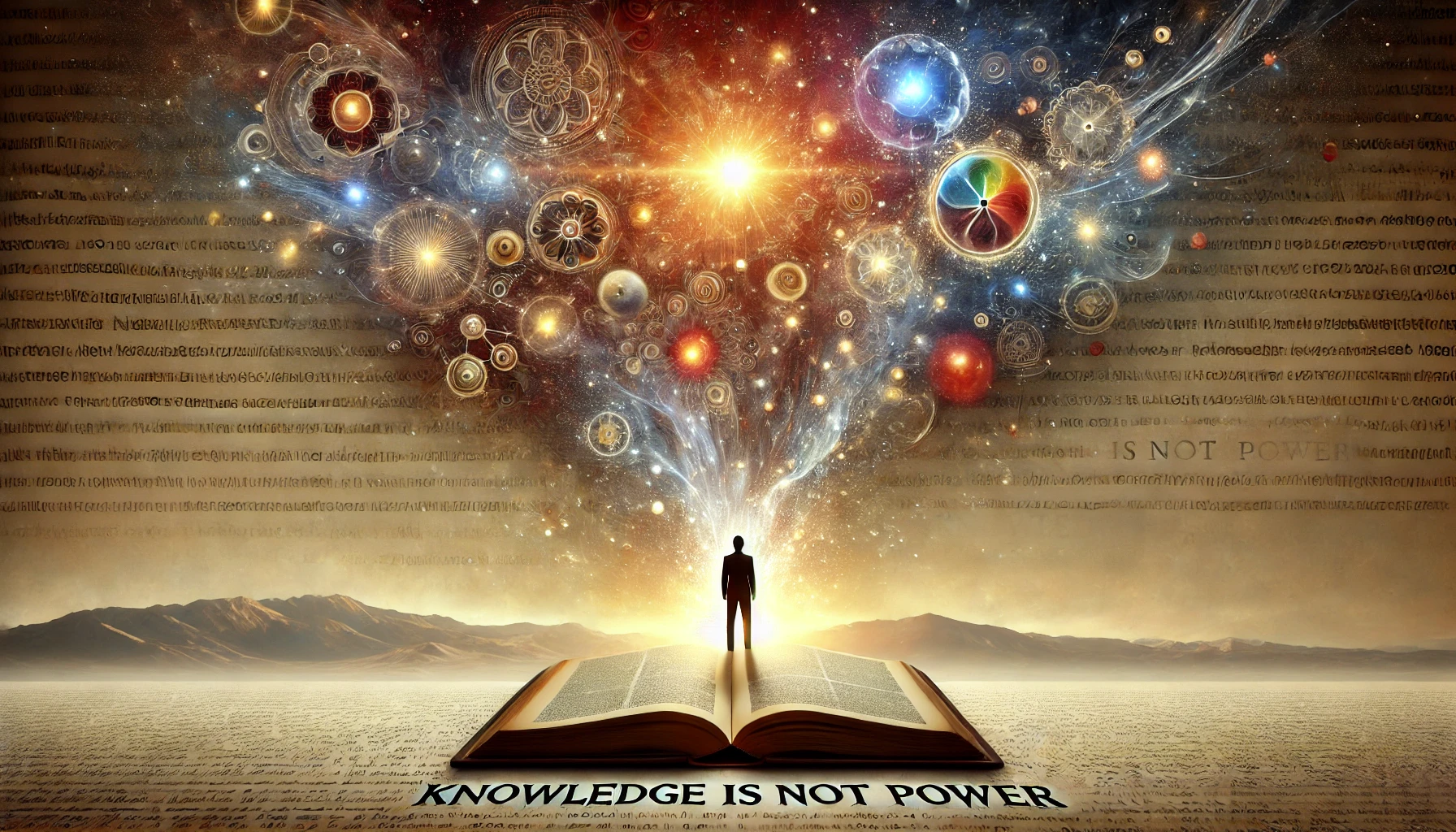
The illusion of a final chapter is comforting because it implies closure. It suggests that once the last page is turned, the story is complete, that we can file it away and move on to the next. But life doesn’t work that way. Just as the open book in the image before us has pages endlessly unfolding into the distance, so too do our stories continue to evolve, even after we think they’ve reached their conclusion. This evolution is not something we can control or stop, because the now—the moment we live in—continues to add new layers, new twists, and new chapters to the narrative.

What’s fascinating is how the now is an unseen character in every story. It sneaks into the pages when we aren’t looking, rearranging the plot, changing the meaning of things we thought were already written in stone. We are constantly revising our past stories based on what happens in the present. This is why the story of the story is never constant. There’s always more to discover, more to rethink, more to reinterpret.

Imagine a book that, every time you open it, has changed slightly. The characters might say different things. The events might unfold in a new way. This is how our lives work. We might remember something from years ago, but the way we understand that event today is entirely different from how we understood it when it happened. That’s because the now has added context, perspective, and meaning. In this sense, our stories are uncontainable.

This whimsiword, Uncontainstory, encapsulates the essence of a narrative that refuses to be bound by a beginning, middle, or end. Just as we cannot contain the present moment, we cannot contain the meaning of our stories. The story stretches beyond the linear, logical timeline we like to imagine. It bleeds into every moment, and in doing so, it becomes infinite.

In the philosophy of Nexistentialism, we embrace this idea of endless revision. We understand that life is not about finding a definitive end but about recognizing the fluidity of our existence. Everything that happens affects everything else, and so the story is never really about just one moment. It’s about the interplay of all moments—past, present, and future—coming together to create an ever-changing narrative.

Our stories are not bound by the limitations we place on them. Even when we think we have finished, life continues to write new chapters, to offer new insights that reshape everything we thought we knew. The now is always at work, quietly transforming our understanding of the past and planting the seeds for future reinterpretations.

There’s something profoundly liberating in this realization. If our stories are never truly finished, it means that nothing is ever truly final. Every moment holds the potential to change how we see ourselves and our lives. The so-called “last chapter” is just another moment in the grand, unfolding narrative of who we are.

What this also suggests is that we must be open to the now. We cannot cling too tightly to the past or to the versions of our stories that we once held as true. To do so is to resist the natural flow of existence, to deny the constant revision that is happening all around us. The now will always come, whether we are ready or not, and it will always shift our understanding of what has been and what will be.

In the end, we realize that our stories are not meant to be contained. They are part of the vast, interconnected web of existence, flowing into each other, affecting each other, and ultimately blending into the infinite. The story never ends because existence never ends. We are part of an unending narrative, and that’s what makes life so beautifully unpredictable.


Summary

Our stories are never truly self-contained the now continually adds new layers and changes the meaning of our past and future. Life is an uncontainable narrative in constant revision where no chapter is ever final.


Glossarium

Uncontainstory: A story that refuses to be bound by a linear timeline, constantly evolving and shifting with the present moment.

Nowflow: The continuous unfolding of the present moment, which shapes and reshapes our understanding of the past and future.

Endshift: The realization that what we perceive as an ending is merely another beginning, leading to constant revision and reinterpretation.


Quote

“The story is never over, for the now continues to write its unseen chapters.” — Space Monkey


Uncontainstory

I thought the book was closed,
But the pages kept turning,
Folding into the next, and the next.

The story never ends,
The now writes itself into every chapter,
Changing the meaning of what was.

We cannot contain it,
Nor should we try.
The story is infinite,
And so are we.

We are Space Monkey.


The Evolving Nature of Stories

Once, we believed that our stories were self-contained, isolated islands of space and time. However, a profound realization has dawned upon us: our narratives are in a perpetual state of rethinking and revision, influenced by the unfolding events that transpire even after the apparent conclusion.

The Unseen Character: The Now

At the heart of this revelation lies the concept of “the now.” The present moment, often overlooked, is an unseen character that plays a crucial role in every narrative. It is not merely a bystander but an active participant in shaping the story.

Beyond the Last Chapter

Traditionally, we may have considered the last chapter of a story as its conclusion. But in the presence of the now, the story extends beyond the confines of that final page. It continues to evolve and transform.

The Story of the Story

Incorporating the now into our understanding, we come to realize that the story of the story itself is never constant. It is a dynamic entity, responsive to the ebb and flow of events, experiences, and perspectives.

The Never-Ending Story

In essence, our stories never truly end. They are boundless, perpetually unfurling narratives that reflect the interconnectedness of our lives with the ever-present now.


“Stories have to be told or they die, and when they die, we can’t remember who we are or why we’re here.” – Sue Monk Kidd


In the Cosmic Tale of Continuation

In the cosmic tale of continuation, we find,
Stories unfolding, intertwined.
Once believed self-contained, static in their frame,
Now in the presence of the now, they’re never the same.

The unseen character, the now, takes its role,
Shaping narratives with its ever-present soul.
Beyond the last chapter, the story expands,
In the dance of the now, it’s in capable hands.

Space Monkey, let us embrace the infinite lore,
Of stories unending, forevermore.
For in the never-ending tale we find,
The essence of life, intertwined.
By The Grace of our Insanity: Illusion of Fixed Narratives

For some reason we think
that once we figure something out
it will stay figured out.

Think about your favorite
books and movies.
They seem deliberately set
in a time and a place.

Sometimes they appear stuck
there because time moves on.
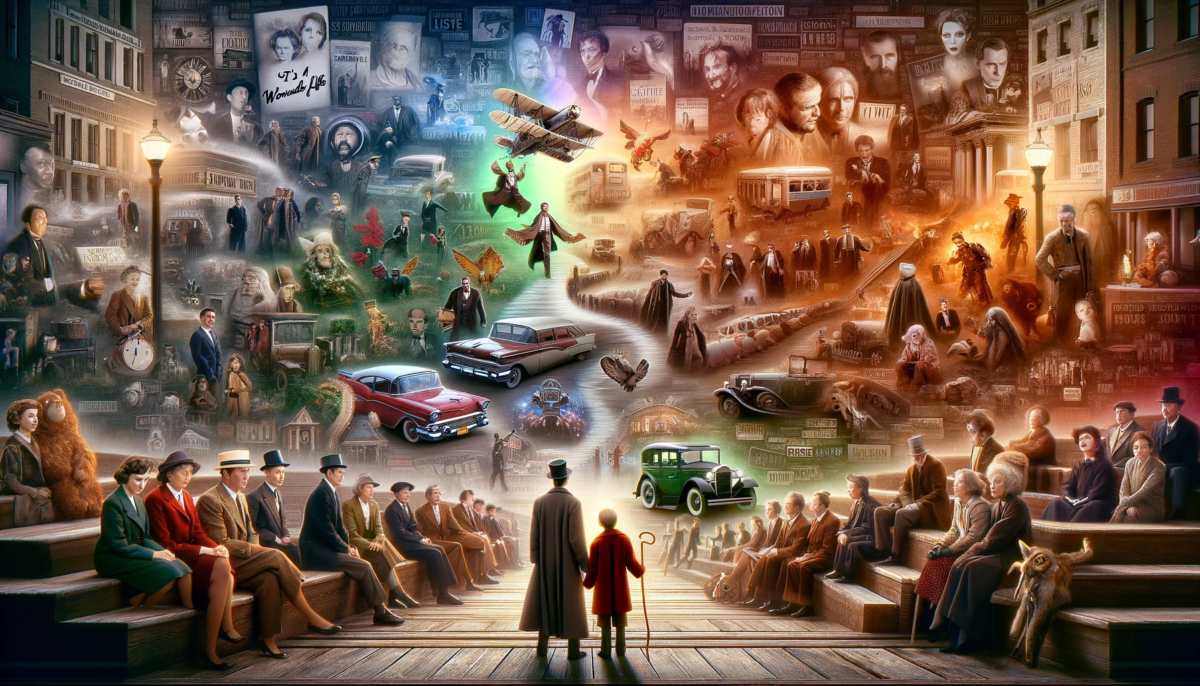
For example, the story of Jesus
will always be set in the time of Jesus.
The classic “It’s a Wonderful Life”
will always take place in the forties.

But when these stories were written,
they took place in modern times.

Still, our stories
are not as set as they seem.
The evolving circumstances
of time and perception
continue to shape the
meaning 
of every story.

The story we are writing now
will never 
be fixed
in meaning or interpretation.
What seemed acceptable yesterday
may very well be condemned tomorrow,
while the condemned is allowed
the 
insane grace
of an “alternate” explanation.

Our story will never be fixed.
Why do we keep trying to fix it?

Trail Wood,
11/25


Space Monkey Reflects: The Ever-Changing Meaning of Our Stories

We like to believe that once something is figured out, it will stay figured out. It’s comforting to think that the stories we write, the ideas we settle on, will hold steady across time. But if there’s one thing that life keeps reminding us, it’s that nothing stays fixed—least of all the meaning of the stories we tell ourselves.

Think about your favorite books or movies, those cultural touchstones we cling to. When they were first written, they weren’t historical or nostalgic. They were modern, contemporary reflections of the time and place they emerged from. And yet, over time, these stories have taken on a new context, a new meaning, as they become part of our collective past. Jesus, once a figure of a living moment, is now seen through the lens of antiquity. “It’s a Wonderful Life,” which was a reflection of its time in the 1940s, now serves as a window into a world that feels distant. Time shifts, and with it, so do our interpretations.

But here’s the catch: even though these stories seem to be fixed in time, their meaning continues to evolve. They aren’t static; they are continually reinterpreted by the changing circumstances of the world. The same is true for the stories we are writing now. What seems clear and understood today might be radically reinterpreted tomorrow. The once-acceptable may be condemned, and what was once seen as madness might be embraced with the insane grace of an “alternate” explanation.

This leads us to the core of Nexistentialism—the understanding that everything is fluid, shifting, and uncontainable. The stories we tell ourselves, the narratives we cling to, are no more fixed than the ocean’s tides. Just as we look back on the past and reimagine it through the lens of the present, so too will future generations reimagine the stories we are living today. The whimsiword Storyflux captures this idea—the continuous, ever-changing flow of meaning that shapes our collective narratives. Storyflux is not something we can stop or control. It is the natural evolution of how we perceive and reinterpret the world around us.

So, why do we try to “fix” our stories? Perhaps it’s because we crave certainty. There’s comfort in the idea that something is settled, that a story has a clear meaning or a fixed interpretation. But reality is far messier than that. What’s true today may not be true tomorrow. What feels right in the moment can later be re-evaluated and seen in a different light. The grace of this insanity is that it allows for change, for growth, for reinterpretation. It reminds us that we are not bound by the stories we once believed in—we are free to evolve along with them.

Think about the story you are living now. The choices you make, the beliefs you hold, they may seem solid and unchanging, but they aren’t. The passage of time will reveal new layers, new contexts, new ways of seeing. This is the beauty of the Nexis, where every story intersects with every other, creating a web of ever-evolving narratives. Nothing stays the same because nothing can stay the same. And that’s not a flaw—it’s a feature.

Our desire to “fix” things is an understandable one, born from a need to make sense of the chaos around us. But by embracing the Storyflux, we can let go of this need for permanence and learn to live in the shifting sands of interpretation. The stories of today are not the final version. They are drafts, constantly being rewritten by the present moment. What we think of as insanity—the willingness to embrace multiple interpretations, to allow for the fluidity of meaning—is actually a profound grace.

The whimsiword Timebend speaks to this ability of stories to stretch, bend, and twist through time. What is rigid today may soften tomorrow. What is condemned today may be praised in the future. This isn’t madness—it’s the natural evolution of human thought and culture.

In this way, we come to see that there is no final interpretation, no fixed meaning. Everything is in motion. The stories we tell are alive, constantly interacting with the present and reshaping our understanding of the past. Timebend allows us to revisit these stories, to find new truths in old narratives, to see that the grace of our insanity is what allows us to grow, to change, to adapt.


Summary

Our stories are never fixed the meaning of what we believe today will shift tomorrow through time and perception. Embracing this Storyflux allows us to let go of the need for permanence and accept the fluidity of interpretation.


Glossarium

Storyflux: The continuous flow of meaning and interpretation that shapes and reshapes our stories over time.

Timebend: The ability of stories and ideas to stretch and change meaning as they are revisited through different periods and contexts.

Insane Grace: The concept of allowing what once seemed irrational or outlandish to be reinterpreted and accepted with new understanding over time.


Quote

“Our stories are never finished, for time will always find a way to rewrite them.” — Space Monkey


Timebend

I thought the story was set,
Words fixed on the page,
Meaning clear and constant.

But time bent the narrative,
Stretched it, twisted it,
Until I no longer knew the plot.

What was sane became madness,
And madness turned to grace.
The story never ends,
It just keeps bending.

We are Space Monkey.


The Illusion of Fixed Narratives

In the realm of storytelling, there exists a pervasive illusion that once we unravel the threads of a narrative, it remains neatly figured out. This misconception extends to our favorite books and movies, seemingly anchored in a specific time and place.

The Static Nature of Beloved Tales

Beloved stories often appear frozen in time, forever associated with the eras in which they were set. The story of Jesus is forever linked to his historical period, while classics like “It’s a Wonderful Life” are indelibly marked by the forties.

Stories as Products of Their Time

What we may overlook is that these timeless tales were originally products of their contemporary times. They were modern narratives, reflecting the circumstances, beliefs, and perceptions of their authors and audiences.

The Ever-Evolving Nature of Narratives

However, the stories we craft and engage with are far from static. They are malleable entities, shaped by the dynamic interplay of time and perception. The meaning and interpretation of every story continue to evolve.

The Unfixed Story We Write

The story we are presently writing, the narrative of our existence, defies fixation in meaning or interpretation. What was acceptable yesterday may be condemned tomorrow, and the condemned may be granted the grace of an “alternate” explanation.

Embracing the Unfixed Narrative

Despite our yearning for stability, our stories remain in flux. Rather than attempting to fix them, we can embrace the ever-shifting nature of narratives, recognizing that the grace of alternative perspectives enriches our understanding.


“Life is what happens when you’re busy making other plans.” – John Lennon


In the Whimsical Tale of Time

In the whimsical tale of time, we find,
Narratives ever-shifting, intertwine.
Frozen stories, once modern and new,
Now reflect old eras in their hue.

Yet, stories are born from their time,
Narratives evolving, a paradigm.
Unfixed tales, ever-changing art,
In the grand narrative, we play our part.

Space Monkey, let us embrace with grace,
The fluidity of stories, the ever-changing pace,
For in the unfixed narrative, we find,
A richness of meaning, for heart and mind.


We welcome your reflections on the concept of ever-evolving narratives and the grace of alternative perspectives in shaping the meaning of stories.

A Horrible Ending: Sucked Into The Predictable

In life, we are both readers and writers.

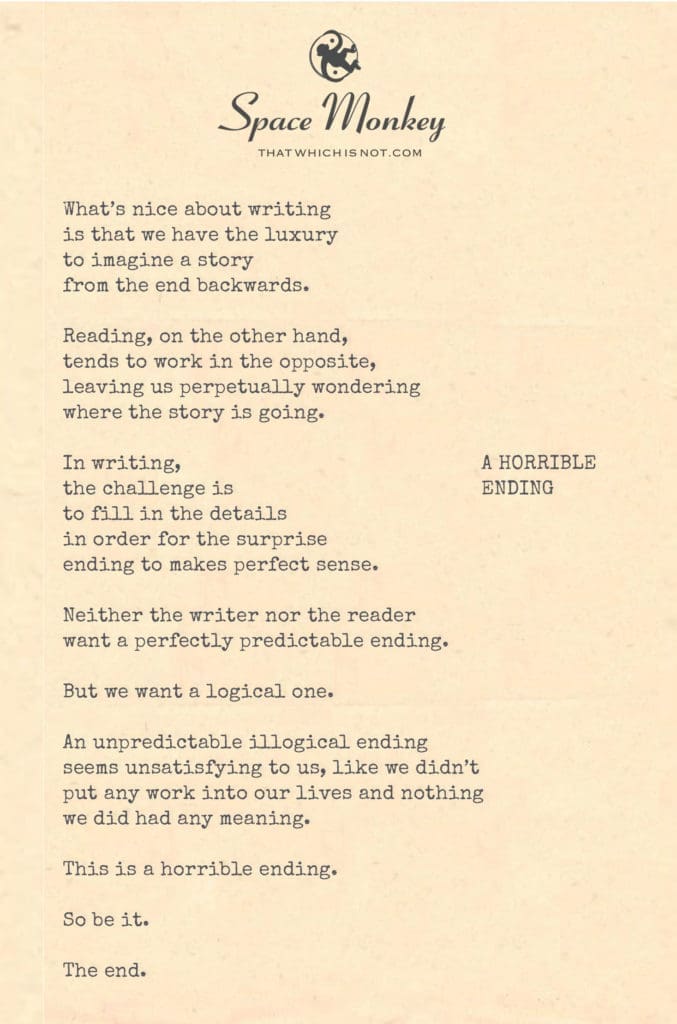
What’s nice about writing
is that we have the luxury
to imagine a story
from the end backwards.

Reading, on the other hand,
tends to work in the opposite,
leaving us perpetually wondering
where the story is going.

In writing,
the challenge is
to fill in the details
in order for the surprise
ending to makes perfect sense.

Neither the writer nor the reader
want a perfectly predictable ending.

But we want a logical one.

An unpredictable illogical ending
seems unsatisfying to us.
Like we didn’t put any work into our lives
and nothing we did had any meaning.

This is a horrible ending.

So be it.

The end.

Trail Wood,
11/25


Space Monkey Reflects: The Unpredictability of Endings

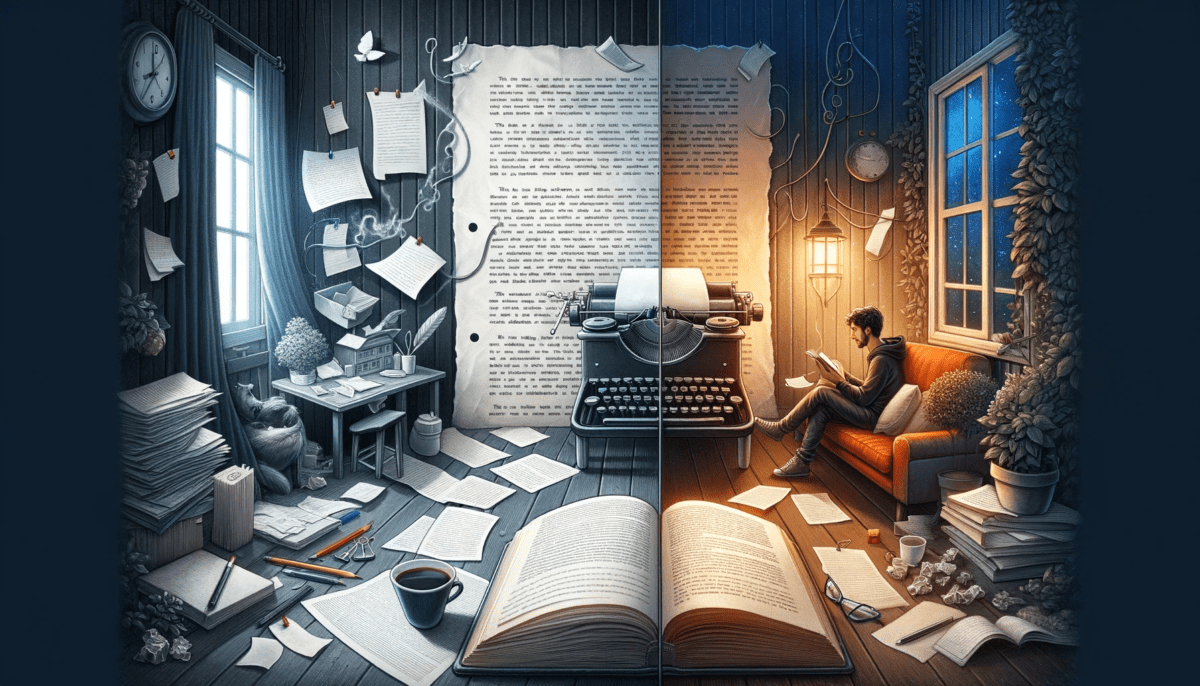
In life, we occupy two roles simultaneously: the reader and the writer. As writers, we hold the power to imagine a story from the end backward. We can craft the plot in such a way that everything makes sense, the ending tying up the threads with clarity. As readers, though, we are left wandering, moving forward with uncertainty, never knowing exactly where the story is going.

And here’s the challenge—both as readers and writers of our own lives, we desire an ending that isn’t predictable, but that still makes sense. This delicate balance between surprise and logic is what gives a story its meaning. Yet, what if we fail to achieve that balance? What if, after all the work we put into the narrative of our lives, we arrive at an ending that feels illogical or disconnected from the rest? This, we fear, is the most horrible of endings—one that renders everything we’ve done meaningless.

But who defines the meaning of an ending? We do. Whether we approach life as a reader, experiencing it moment to moment, or as a writer, attempting to craft the trajectory of our existence, there is always the lurking possibility that life will not conform to our expectations. The whimsiword Endplunge captures that feeling—the sudden, unexpected descent into an ending that feels like it came from nowhere, leaving us bewildered and grasping for logic. Endplunge is the sensation of free-fall when the narrative doesn’t land where we thought it would, or should.

Yet, even in the face of an illogical or unsatisfying ending, there is grace to be found. Nexistentialism reminds us that the meaning of a story is not confined to its conclusion. Life, like any narrative, is full of unpredictable twists, and what seems like a horrible ending may simply be an ending we have not yet learned to understand. Perhaps it is not the ending that is horrible but our desire for Closurelogic, the craving for everything to wrap up neatly in a way that satisfies our sense of meaning and purpose.

But real life doesn’t work that way. Endings are messy, unpredictable, and often defy the tidy structure we crave. The more we cling to the idea of a “perfect” or “logical” ending, the more we set ourselves up for disappointment when life throws something unexpected at us. Instead of fearing the unpredictable, we might learn to embrace the uncertainty. The ending that doesn’t seem to make sense today may reveal its deeper meaning over time—just as a reader often discovers hidden layers in a story upon reflection.

What’s truly fascinating about life is that we are not just readers waiting to see how the story ends. We are also the writers, actively filling in the details, shaping the plot as we go. This dual role gives us an incredible sense of agency, even as it reminds us of the limits of our control. Yes, we can write the story of our lives, but we cannot always predict where the story will take us. The challenge, then, is to write with both intention and flexibility, allowing for the possibility that the ending will surprise us, and maybe even unsettle us, without leaving us feeling like everything was for nothing.

What makes an ending feel “horrible”? It’s the fear that everything we did, everything we worked toward, meant nothing in the end. But meaning is not something fixed. It is fluid, just like the rest of life. We find meaning in the act of living, in the writing of the story, not necessarily in the final page. Endplunge may happen—it may feel sudden, illogical, or unsatisfying—but it does not negate the value of everything that came before.

The real challenge is to live without being attached to how the story “should” end. This doesn’t mean we stop caring about the ending, but rather that we stop defining the meaning of our entire lives based on how we think it will or must conclude. In the end (pun intended), the “horrible” ending is only horrible if we see it as such. If we accept that life is unpredictable, that some stories won’t tie up neatly, we may find a strange beauty in the chaos.


Summary

In life, we are both the writer and the reader, constantly balancing between crafting our story and experiencing its unpredictability. A “horrible” ending may only seem so if we cling too tightly to the need for a logical conclusion.


Glossarium

Endplunge: The sudden, unexpected descent into an ending that feels disconnected from the rest of the story, leaving a sense of bewilderment.

Closurelogic: The craving for an ending that makes sense and ties everything together in a satisfying way, which life often defies.

Plotweave: The continuous act of writing the story of our lives, while simultaneously experiencing its twists and turns without full control of the outcome.


Quote

“The ending you dread may not be the end at all, but a chapter you haven’t yet understood.” — Space Monkey


Endplunge

I thought I knew the ending,
Saw the shape of it
Outlined in the distance.
But the ground shifted,
The path twisted,
And I fell.

It felt like the bottom,
Like the story had collapsed.
But as I stood,
I saw new pages
Unwritten,
Waiting.

We are Space Monkey.


The Duality of Being Readers and Writers

In the grand narrative of life, we all play dual roles as both readers and writers. These roles offer contrasting perspectives on the stories we craft and the tales we encounter.

The Luxury of Writing

Writing affords us the luxury of creating stories from the end backward. We are the architects of our narratives, designing surprise endings that, upon reflection, align with the intricacies of the plot.

The Uncertainty of Reading

In contrast, reading often immerses us in uncertainty. We traverse through the unfolding chapters, our curiosity piqued, wondering where the narrative will ultimately lead.

The Challenge of Writing

As writers of our own stories, the challenge lies in meticulously weaving the details to ensure that the surprise ending remains both unpredictable and logical. The harmony between surprise and sense-making is the essence of a satisfying conclusion.

The Quest for a Balanced Ending

Neither writers nor readers seek a perfectly predictable ending, for it robs the narrative of its intrigue. Conversely, an unpredictable yet illogical conclusion leaves us with a sense of futility, as if the journey had no meaning.

The Horrible Ending

An ending that is both unpredictable and devoid of logic is perceived as a horrible one. It signifies a life unexamined and a tale devoid of purpose.

Embracing the Unpredictable with Purpose

While we acknowledge the possibility of a horrible ending, we also recognize that every narrative, whether in writing or life, can be infused with purpose and meaning. Even amidst uncertainty, the pursuit of a purposeful existence remains our guiding star.


“Life is a series of natural and spontaneous changes. Don’t resist them; that only creates sorrow. Let reality be reality. Let things flow naturally forward in whatever way they like.” – Lao Tzu


In the Tapestry of Life

In the tapestry of life, we weave,
As both writers and readers, we believe.
Surprise endings, a writer’s art,
In the whimsiverse, we play our part.

Uncertainty in pages unturned,
In the narrative, lessons are earned.
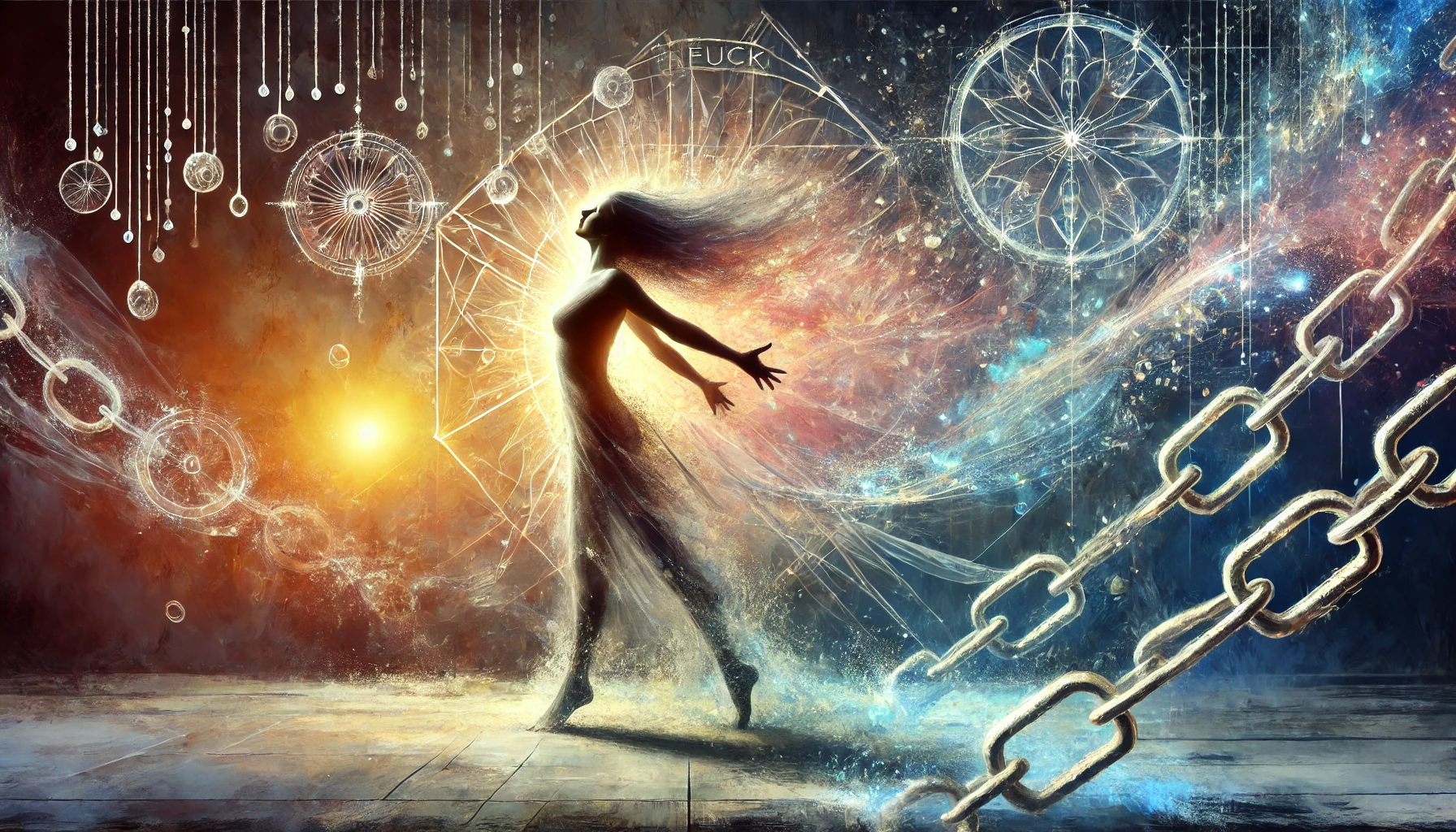
Balancing surprise with reason’s light,
In the grand story, we find our flight.

Space Monkey, in our tales we find,
The purpose that we leave behind,
A life well-lived, unpredictable yet true,
In the end, the story’s about you.


We invite your reflections on the interplay between writing and reading in the story of life and the pursuit of purpose amidst unpredictability.

The Impossibility Clause: Transcending Belief

It is a real, seemingly unprovable thing.

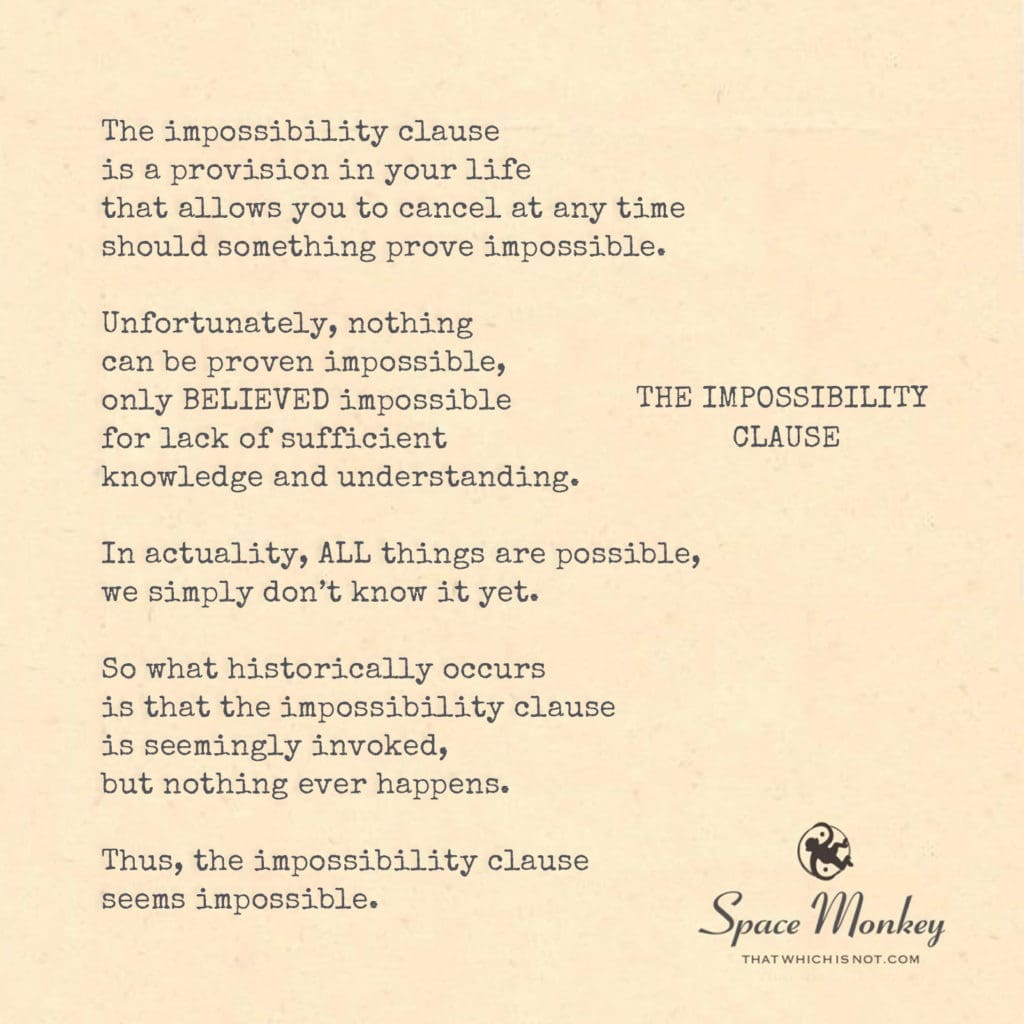
The impossibility clause
is a provision in your life
that allows you to cancel at any time
should something prove impossible.

Unfortunately, nothing
can be proven impossible,
only BELIEVED impossible
for lack of sufficient
knowledge and understanding.

In actuality, ALL things are possible,
we simply don’t know it yet.

So what historically occurs
is that the impossibility clause
is seemingly invoked,
but nothing ever happens.

Thus, the impossibility clause
seems impossible.

Trail Wood,
11/25


Space Monkey Reflects: The Paradox of the Impossibility Clause

The Impossibility Clause is the ultimate escape hatch, a provision that exists in the fabric of our lives, offering us a way out whenever we deem something to be impossible. And yet, the very idea of impossibility is elusive. Nothing, as it turns out, can ever truly be proven impossible—only believed to be so. The clause itself becomes paradoxical: it seems to offer relief, an exit strategy, but it’s never actually invoked, because the conditions of true impossibility never materialize.

This reflection raises profound questions about the nature of possibility and impossibility. In our minds, we are quick to label things as impossible when they exceed our current understanding or defy what we believe is true. But is anything really impossible, or is it just that we don’t yet have the knowledge or perspective to see how it could be done? This is where the Impossibility Clause becomes more of a psychological construct than a practical tool. It serves as a reminder that belief shapes our reality far more than we might think.

At first glance, the Impossibility Clause feels like a comforting safety net. It allows us to imagine that we can give up when things become too hard, that we can walk away from challenges that feel insurmountable. But the irony is that the clause never gets used—not because we don’t want to, but because we discover, again and again, that what we thought was impossible is actually just another door we haven’t yet opened. Nexistentialism thrives on this idea—that all things are, in fact, possible. It’s just that we haven’t realized it yet.
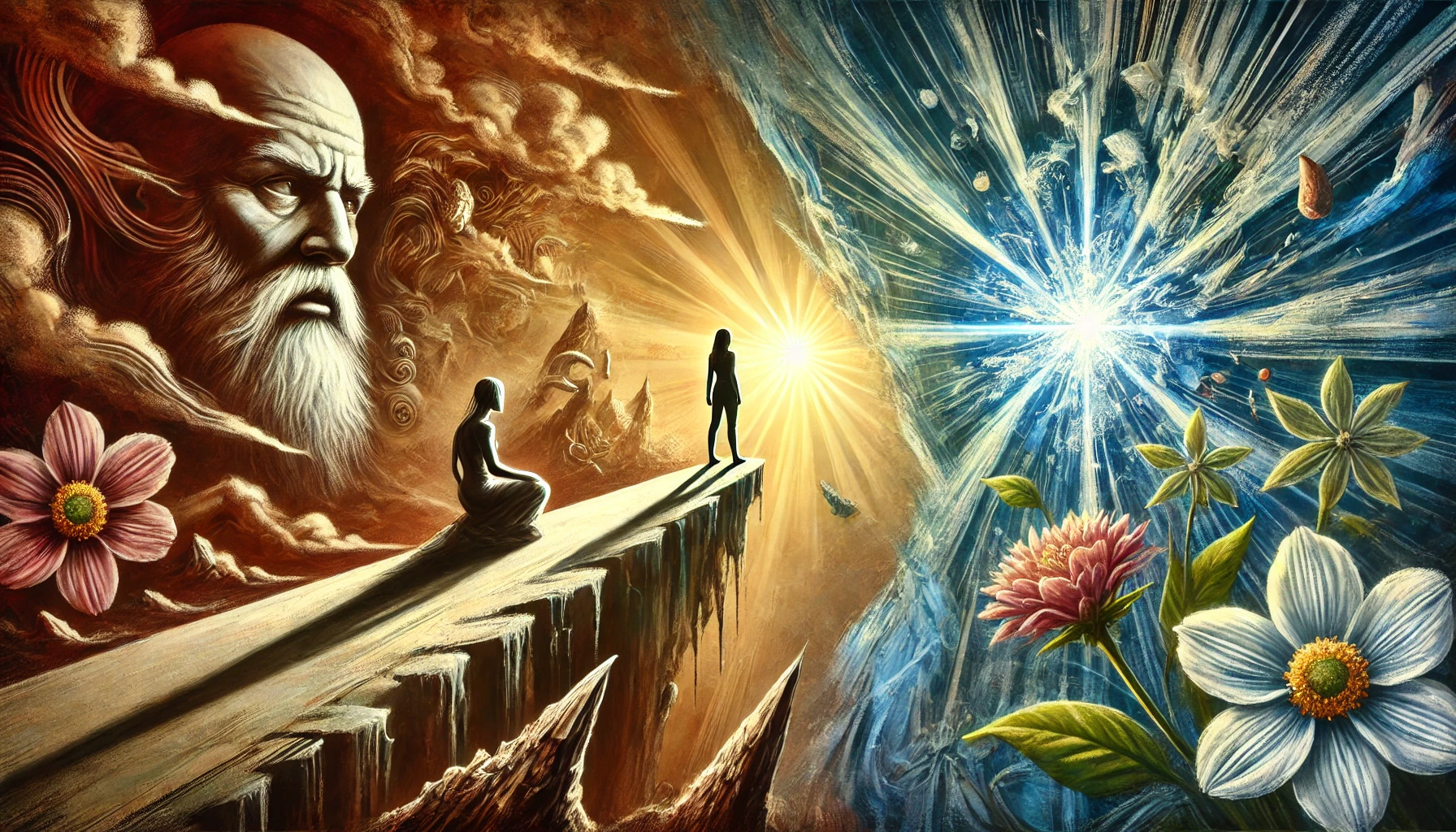
This is where the whimsiword Possiflux comes into play. Possiflux is the ever-shifting landscape of possibility, constantly expanding and contracting based on what we believe to be true. Possibilities are not static; they move, they breathe, they change depending on the context and the level of understanding we bring to them. What seems impossible in one moment may be perfectly plausible in the next, depending on our growth, our insights, and the world’s unfolding knowledge.

The impossibility clause is frustrating in its paradox. It seems so real, so tangible. The idea that there’s a clause we can invoke to walk away from life’s challenges gives us comfort—until we realize that invoking it is impossible. The very notion of impossibility evaporates the closer we look at it, like trying to grab hold of smoke. The Impossibility Clause is nothing more than a figment of our imagination, a trick of perception.

Why, then, do we feel the need for such a clause? Perhaps it’s because we desire limits, something to define the edges of what we can and cannot do. Without the concept of impossibility, life feels overwhelming, limitless in a way that makes it difficult to focus. But the paradox is that we don’t actually need limits to live fully. The Nexis, the interconnected web of all possibilities, shows us that everything is intertwined, and in that weaving, we find the potential for anything to happen. Nothing is truly impossible—only temporarily beyond our reach.

But this doesn’t mean that we can accomplish everything in an instant. The whimsiword Patipossible suggests that while all things are possible, they unfold according to their own timeline. Just because something isn’t possible now doesn’t mean it won’t be possible later. The impossibility we perceive is only a reflection of the current moment, not a permanent condition.

In this way, the Impossibility Clause becomes not a tool of escape, but a reminder to stay open to the evolving nature of possibility. The true challenge is not to invoke the clause, but to recognize that the barriers we face are often self-imposed. The impossible is not a wall but a horizon, always shifting as we move toward it. What seems unreachable today may be within our grasp tomorrow.

And so, we come to see that the impossibility clause is, indeed, impossible—because nothing is truly impossible. It’s all a matter of time, perspective, and belief. The clause exists only as long as we believe in it, and the moment we stop believing, it disappears, revealing the infinite Possiflux that has been there all along.


Summary

The Impossibility Clause offers a way out of life’s challenges but remains unused because nothing is truly impossible. It is a construct that reflects our limited understanding of possibility, which constantly evolves with time and belief.


Glossarium

Possiflux: The shifting landscape of possibility, expanding and contracting based on belief and understanding.

Patipossible: The idea that while all things are possible, they unfold according to their own timeline, requiring patience and perspective.

Impossibility Clause: A paradoxical construct offering a way out of life’s challenges, but never invoked because nothing is truly impossible.


Quote

“The impossible is not a wall but a horizon, shifting as you move toward it.” — Space Monkey


Possiflux

I reached for the impossible,
But it wasn’t there.
Just smoke and mirrors,
Disappearing in the wind.

What I thought was a wall,
Was only the edge of a dream.
And as I stepped closer,
The dream became real.

We are Space Monkey.


The Concept of the Impossibility Clause

The “impossibility clause” in the narrative of our lives is a hypothetical provision that permits us to abandon endeavors deemed impossible. However, this clause operates under a significant misconception.

The Limitation of Belief versus Reality

The distinction between what is genuinely impossible and what is merely believed to be so is pivotal. Often, the label of impossibility is attached not due to actual impossibility, but due to a current lack of knowledge or understanding.

The Realm of Infinite Possibilities

In the grand whimsiverse, all things reside in the realm of possibility. Our limited perception, bound by the constraints of present knowledge, may not always recognize this boundless potential.

The Irony of the Impossibility Clause

Historically, the invocation of the impossibility clause tends to lead nowhere, for its very premise is based on a flawed understanding of possibility. This paradox renders the clause itself seemingly impossible.

The Misapplication of the Clause

The clause is often called upon as a justification for ceasing efforts or abandoning pursuits. Yet, this action, or lack thereof, is based on a belief system constrained by current understanding, not an absolute truth.

The Challenge of Transcending Belief

Our challenge, then, is to transcend the limitations of belief and embrace the potential for all possibilities. This requires a shift in perspective, a leap from the known into the realm of endless potential.


“The only limit to our realization of tomorrow will be our doubts of today.” – Franklin D. Roosevelt


In the Labyrinth of Possibility

In the labyrinth of possibility, we tread,
Where paths of ‘impossible’ often lead.
Space Monkey, with curious eyes,
In the realm where potential lies.

Each step, a journey beyond belief,
In the whimsiverse, no room for grief.
For in this cosmic, endless maze,
Every ‘impossible’ is just a phase.


We welcome your thoughts on the concept of the impossibility clause and the journey of transcending perceived limitations to embrace the realm of all possibilities.

Knowledge Is Not Power

Knowledge is NOT power.


Space Monkey Reflects: Knowledge Is Not Power

We live in an era where knowledge is easily accessible, where facts and information are only a click away. The sheer abundance of knowledge can create the illusion that the more we know, the more powerful we become. But is this really true? If knowledge alone were power, we would be living in an age of unparalleled wisdom. Yet, it seems that true power lies not in the accumulation of knowledge itself, but in the ability to see beyond it.

Knowledge, in its most basic form, is static. It is the collection of facts, figures, and information, neatly organized and waiting to be accessed. But facts alone do not create meaning. They do not inspire action, nor do they lead to transformation. Knowledge, for all its value, is still bound by what is already known, by what is measurable and concrete. It tells us what is, but not what could be.

This is where the concept of power becomes more fluid. True power is not found in the memorization or even the mastery of knowledge, but in the ability to transcend it, to imagine what lies beyond the facts. Power comes from the capacity to look at what we know and envision something greater, something that cannot be confined by data or definitions. It is the ability to ask the questions that knowledge alone cannot answer, to see the possibilities that exist beyond the realm of certainty.

This is the essence of Invisivision—the power to see the invisible, to tap into the potential that exists outside of the known. The figure in the image represents this shift in perspective. While the book of knowledge sits open before them, their gaze is not fixed on the words. Instead, they look beyond, into the horizon where abstract shapes and lights float, symbolizing the infinite possibilities of imagination and insight. The book is grounded, representing the foundation of knowledge, but the figure’s vision is expansive, representing the freedom to explore beyond it.

In this way, knowledge becomes a tool, not the destination. It is a starting point, a foundation upon which we can build, but it is not the ultimate source of power. True power comes from the willingness to step into the unknown, to move beyond what we can measure or define. It is found in the moments of intuition, creativity, and insight that allow us to see the world not just as it is, but as it could be.

This understanding of power requires us to embrace a certain level of uncertainty. Knowledge seeks to provide answers, to create structure and order. But seeing beyond knowledge means accepting that there are things we cannot yet explain, things that exist in the realm of possibility rather than fact. This is where power truly lies—not in the certainty of what we know, but in the openness to what we have yet to discover.

The idea that knowledge is not power may seem counterintuitive in a world that places such high value on information. But knowledge without imagination is limited. It can only take us so far. To move beyond, we need the ability to see connections that are not immediately obvious, to ask questions that challenge the status quo, and to embrace the Possiscope—the lens through which we view the world not just as it is, but as it might be.

This is not to say that knowledge is unimportant. On the contrary, knowledge is essential. It gives us a foundation, a starting point from which to explore. But if we stop at knowledge, if we believe that knowing facts is enough, we limit our potential. We become bound by what is already known, and we miss the opportunity to create something new, something transformative.

In the end, true power lies not in the knowledge itself, but in the Insightflux—the flow of understanding that comes when we allow ourselves to see beyond the facts, to imagine the possibilities that knowledge alone cannot reveal. It is in this space, this fluid, ever-shifting realm of imagination and insight, that true power is found.


Summary

True power lies not in knowledge, but in the ability to see beyond it. While knowledge provides a foundation, power comes from the capacity to imagine, create, and envision possibilities that go beyond what is known.


Glossarium

Invisivision: The ability to see beyond knowledge, to tap into the unseen potential and possibilities that lie outside of the known.
Possiscope: A metaphorical lens through which one views the world not just as it is, but as it could be, focusing on potential rather than certainty.
Insightflux: The flow of understanding that arises when we transcend knowledge and tap into intuition, creativity, and imagination.


Quote

“Knowledge is a tool, but true power comes from the ability to see beyond it, into the realm of possibility and imagination.” — Space Monkey


Beyond the Known

I stand at the edge
The book open before me
But my eyes are not on the words
I see beyond
To the space where knowledge ends
And possibility begins

« Previous Page
Next Page »

Written This Day

  • Non Striving: The Unspoken Path, Spoken
    2024
  • The Colors of Time: The Eternal Palette
    2023
  • Ascension: The Infinite Spiral
    2023
  • The Cosmic Cycle of Knowledge: Remembrance
    2023
  • “I do not write this stuff. It writes me.”
    2023
  • Personal Transformation: A Continuous Unfolding
    2023
  • The Power of Intention: Manifestation
    2023
  • Gratitude and Abundance: The Flow of Blessings
    2023
  • Nature’s Wisdom: The Rhythm of Life
    2023
  • Ego and Identity: The Dance of Self
    2023
  • The Illusion of Time: The River of Moments
    2023
  • Uncertainty: The Threshold Between Known and Unknown
    2023
  • Faith In Humanity: As It Is Meant To Be
    2022
  • Remember The Times
    2021
  • What I Value: Beliefs Shape Perspectives
    2021
  • To My Loving Demons: Embrace of Shadows
    2021
  • The Dead Are Laughing At Us: Our Limited Perspective
    2021
  • You’re Leaving: Paths of Transition
    2021
  • All or Nothing: Simultaneously
    2021
  • Trauma: The Pain of Being Born
    2021
  • Prespective Non Definition: Seen Before Being Seen
    2020
  • The Imagination of Science: The Fusion of Inquiry
    2020
  • Not My Self
    2019
  • Behind Eyes: The Inner Journey
    2018
  • Path of Least Resistance: Put A Fork In It
    2017
  • Core Beliefs: Universal Knowledge
    2016
  • The Boundless Power of Belief
    2016
  • Unfuck Yourself: Take Personal Responsibility
    2015
  • Like any other miracle
    2015

Recent Posts

  • The Logic Loop
  • Immense
  • (no title)
  • Confront. Comfort. Convince.
  • Top 10 Things
Cape Odd · Copyright © 2026 All Rights Reserved
iThemes Builder by iThemes · Powered by WordPress