• Who Is The Man?
  • Who Is The Monkey?
  • What is Nexistentialism?
  • Poke The Primate
Cape Odd
Home of The Space Monkey Journals

Author Archive for Space – Page 958

Recognizing The Moment: Our Demises

A picture of me and you.
It is a joyous occasion.

As the camera clicks,
we immediately recognize
that this is the kind of photo
that ends up as a screensaver,
then on some side table,
then next to some flowers
at a funeral,
maybe my funeral,
maybe your funeral.

And so we laugh,
and the moment becomes
even more memorable,
because we rest in the grace
of witnessing joy as it happens,
letting our undeniable demises
in on the joke.

Trail Wood,
1/27


Space Monkey Reflects: Recognizing The Moment – Including Our Demises in the Joke

Life is a fleeting series of moments, strung together by laughter, love, and loss. To truly recognize the moment is to embrace its impermanence and allow even the specter of our inevitable demise to become part of the beauty. This awareness transforms ordinary experiences into extraordinary ones, imbued with grace, depth, and humor.

The Photo as a Symbol of Transience

The snapshot of a joyous occasion—a picture of me and you—serves as a powerful metaphor for the passage of time. In the instant the camera clicks, the moment is already gone, yet it is preserved, frozen within the photograph. This image will travel with us, moving from screensaver to side table to the somber setting of a funeral, where it will evoke memories of the laughter and connection we once shared.

This recognition isn’t morbid; it’s liberating. To see the potential arc of a moment, from joy to grief to memory, is to witness life in its fullness. The photo, like life itself, is a reminder that nothing lasts forever—and that this impermanence is what gives each moment its preciousness.

Letting Demise in on the Joke

By laughing at the inevitability of death, we invite our own finitude to sit at the table with us. This act is not denial but acceptance—a way of weaving humor into the fabric of existence. The recognition of our mortality becomes not a shadow over our joy but a part of it, enriching the moment with a bittersweet awareness.

When we let our demises in on the joke, we dissolve the fear and weight often associated with death. Instead of resisting, we embrace it as part of the human experience, a shared reality that unites us all. It is a graceful surrender to what is, allowing us to find humor even in the gravity of life.

Witnessing Joy as It Happens

To rest in the grace of witnessing joy as it happens is to step fully into the Now. It means recognizing that this moment, with its laughter and connection, is enough. There is no need to cling or to fear its passing, for its value lies in its presence, not in its permanence.

When we bring our full awareness to the moment, we transcend the linear march of time. The past and future dissolve, leaving only the richness of what is. This mindfulness allows us to savor the joy, even as we acknowledge its impermanence.

The Role of Humor in Mortality

Humor is a bridge between the sacred and the mundane, the finite and the infinite. It allows us to hold the paradox of life and death without being crushed by it. By including our demises in the joke, we find a way to celebrate life even in the face of its end.

Laughter, in this context, becomes an act of defiance and reverence. It says, “Yes, we will die, but we are alive now, and that is more than enough.”

Creating Memorable Moments

What makes a moment memorable is not just the joy it brings but the depth of awareness with which it is experienced. When we recognize the impermanence of a moment, we allow it to settle deeper into our hearts. This recognition transforms it from a fleeting experience into a lasting memory, one that will echo even after we are gone.


Summary

Recognizing the moment involves embracing its impermanence, letting mortality become part of the humor and grace of life. By laughing at the inevitability of death, we deepen our appreciation for the present, creating moments of joy that endure even as time moves forward.


Glossarium

  • Transience: The fleeting nature of moments, which gives them their preciousness.
  • Graceful Surrender: Accepting the inevitability of life’s impermanence with humor and openness.
  • Mortality Humor: Finding joy and connection by including the inevitability of death in life’s jokes.

Quote

“To laugh at our demise is to transcend it, finding joy in the fleeting moments that define our lives.” — Space Monkey


The Snapshot of Forever

A picture of me and you,
the joy etched in pixels,
a moment already passing,
yet preserved.

We laugh,
knowing this image
will journey with us.
From screens to tables,
to flowers and silence.

The camera clicks,
and so do we—
clicking into the truth
that life is a fleeting grace,
made richer
by the shadow of its end.

We let the joke in,
let the joy linger,
let the Now hold us,
unfolding,
enough.

We are Space Monkey.


Embracing the Poignancy of Life’s Moments

The act of capturing a moment in a photograph, with the awareness of life’s transient nature, brings forth a poignant understanding of joy, memory, and the inevitable passage of time.

The Joyous Snapshot of Life

A picture of us, in a joyous moment, is a snapshot of life at its most vibrant. It’s a celebration, a capturing of happiness and connection, frozen in time yet alive with emotion.

The Journey of a Photograph

As the camera clicks, there’s an immediate recognition of the photograph’s journey through time. From a cherished screensaver to a treasured photo on a side table, it becomes a silent witness to the passage of our lives.

The Photograph and the Inevitable End

The realization that this photo might one day accompany flowers at a funeral, whether yours or mine, is a somber acknowledgment of our mortality. It’s a reminder that every joyful moment is tinged with the impermanence of life.

Laughter in the Face of Mortality

In this realization, there is laughter – a laughter that is deep and meaningful. It’s an embrace of the moment, a celebration of life even in the shadow of its eventual end. This laughter makes the moment even more memorable, adding a layer of profound depth to the joy.

Witnessing Joy Amidst Life’s Transience

By resting in the grace of witnessing joy as it happens, we honor the present. We allow ourselves to fully experience the happiness of the moment, mindful of life’s fleeting nature but not overshadowed by it.

Including Our Demises in the Joke

Letting our undeniable demises in on the joke is a powerful act of acceptance. It’s an acknowledgment that life and death are inseparable companions, and that joy can be found even in the awareness of our mortality.


“To live in this world, you must be able to do three things: to love what is mortal; to hold it against your bones knowing your own life depends on it; and, when the time comes to let it go, to let it go.” – Mary Oliver


A Poem on Embracing the Moment

In the flash of a camera, a moment caught,
A picture of joy, a memory wrought.
From screensaver bright to side table’s shade,
In time’s swift dance, a journey made.

With a laugh, we greet our mortal fate,
In joyous abandon, we celebrate.
For in this snapshot, life’s beauty sings,
Amidst the shadow of temporal wings.

In the laughter, a deeper truth we find,
The grace of the moment, in heart and mind.
Life and death, in a dance entwined,
In the joy of now, our spirits aligned.

So here we stand, in this fleeting scene,
Embracing the transient, serene and keen.
A photograph, a memory’s token,
In the laughter shared, life’s beauty spoken.


We invite reflections on the joy and poignancy of life’s moments, the laughter in the face of mortality, and the grace of embracing the present, mindful of life’s transient nature.

Commatose: The Deliberate Pause

He paused,
deliberately,
intentionally,
mindfully,
reflectively,
for indeed,
he was commatose,
if not punctual,
and this,
was his sentence.

Trail Wood,
1/27


Space Monkey Reflects: Commatose – The Deliberate Pause

Life is often a relentless march forward, filled with words, actions, and intentions that demand completion. Yet within this stream, there is a quiet power in the deliberate pause, in choosing to linger between the moments where meaning forms. To be “commatose” is to embrace these pauses—not as interruptions, but as essential parts of the sentence of existence.

The Pause as Presence

A pause is not absence; it is a space of presence. It is the moment when the mind quiets and the fullness of being emerges. In the rush to fill every silence and finish every thought, we forget the richness that lies in the spaces between. The pause, like a comma, creates rhythm and depth, allowing meaning to unfold.

To be commatose is to surrender to the pause, to let it guide the flow rather than rushing to the next word, the next action, the next idea. It is an intentional choice to rest in the Now, to reflect before moving forward.

The Sentence of Existence

Life itself is a sentence—a string of moments, actions, and reflections bound together by the pauses we allow. These pauses shape the meaning of the whole. Without them, life becomes a single, breathless utterance, lacking rhythm or nuance.

The deliberate pause creates space for mindfulness and intention. It is in the pause that we find clarity, that we choose our next steps with care rather than haste. The pause reminds us that we are not merely reacting to life but co-creating it.

The Punctuation of Being

The metaphor of punctuation offers a lens through which to view the rhythms of existence. Commas, like pauses, give us a moment to breathe and reflect. Periods mark endings, while ellipses suggest continuation. To live deliberately is to honor all forms of punctuation—not just the conclusions but the spaces in between.

To be commatose is not to be stagnant or stuck. It is a state of active stillness, where reflection replaces reaction and where the sentence of life unfolds with grace.

Reflection in Stillness

In a world that prizes speed and productivity, pausing can feel counterintuitive, even rebellious. Yet the deliberate pause is where transformation begins. It is the space where we reconnect with ourselves, where we listen to the whispers of intuition and align with the flow of spirit.

The pause invites us to consider not just what we are doing but why. It challenges us to be present with the weight of our words, the impact of our actions, and the stories we are writing.

The Sentence as a Whole

In the end, it is the pauses that give our lives meaning. They are the spaces where joy lingers, where grief softens, where connection deepens. The sentence of existence is not defined solely by its words but by the deliberate rhythm of its pauses, the punctuation that shapes its flow.

To be commatose, then, is not a flaw or failure. It is a mindful state of being, a way of living with intention and grace.


Summary

To be commatose is to embrace the deliberate pause as an essential part of life’s rhythm. Pauses create space for reflection, mindfulness, and clarity, shaping the sentence of existence with meaning and grace.


Glossarium

  • Commatose: The mindful state of pausing deliberately, creating space for reflection and intention.
  • Sentence of Existence: The metaphorical string of moments and actions that form the narrative of life.
  • Punctuation of Being: The pauses, endings, and continuations that give rhythm and meaning to life.

Quote

“The deliberate pause is not an absence but a presence, shaping the flow of life with mindful intention.” — Space Monkey


The Rhythm of the Pause

He paused,
not to stop,
but to listen.
The world spoke,
not in noise,
but in stillness.

Commatose,
he lingered,
a comma in the sentence of being.
The moment stretched,
unfolded,
breathed.

Not an ending,
but a rhythm.
Not a silence,
but a space.

For in the pause,
the truth emerges,
and the sentence
becomes a story.

We are Space Monkey.


Reflecting on the Power of the Comma in Communication

The playful concept of being ‘commatose’ – paralyzed by the power and presence of a comma – presents an intriguing exploration of the nuances of language and the impact of punctuation in shaping meaning and rhythm in communication.

The Deliberate Pause: Embracing the Comma

The deliberate pause, marked by a comma, is a powerful tool in language. It dictates the tempo of speech, guiding the reader or listener through the landscape of a sentence. This intentional use of a comma, to create a mindful and reflective pause, enriches the narrative, adding depth and rhythm to the expression.

Commatose: The Art of Punctuating Thoughts

Being ‘commatose’ playfully suggests an almost meditative state in the act of writing or speaking, where one is deeply immersed in the art of punctuating thoughts. It’s a recognition of the significance of timing and pause in communication – a dance of words and silence.

Punctuality in Language: Beyond Time

The pun on being ‘punctual’ in the context of punctuation highlights the importance of timing and placement in the use of commas. Just as punctuality in time matters, so does the punctuality in language – the precise placement of pauses for maximum effect.

The Sentence: A Journey of Punctuation

Describing the sentence as a journey, shaped and defined by the use of commas, underscores the power of punctuation in constructing meaning and guiding the reader’s experience. Each comma serves as a stepping stone, a moment of breath in the flow of words.


“Punctuation is the breath of writing.” – Isaac Babel


Art of Punctuation

In the realm of words, where commas reign,
A writer pauses, in thought’s terrain.
Each comma a breath, a moment’s rest,
In the flow of words, a silent guest.

Commatose in thought, in punctual play,
Crafting sentences, in a mindful way.
A dance of ink, a pause, a grace,
In the tapestry of language, each comma its place.

Through the forest of prose, a path we tread,
Punctuated by pauses, in what is said.
In the art of writing, a rhythm we find,
In the power of commas, the breath of the mind.

So let us celebrate, this punctual art,
In the crafting of language, commas play a part.
In each deliberate pause, a story unfolds,
In the rhythm of writing, its beauty holds.


We invite reflections on the impact of punctuation in communication, the art of using commas to create rhythm and clarity, and the playful concept of being ‘commatose’ in the dance of language.

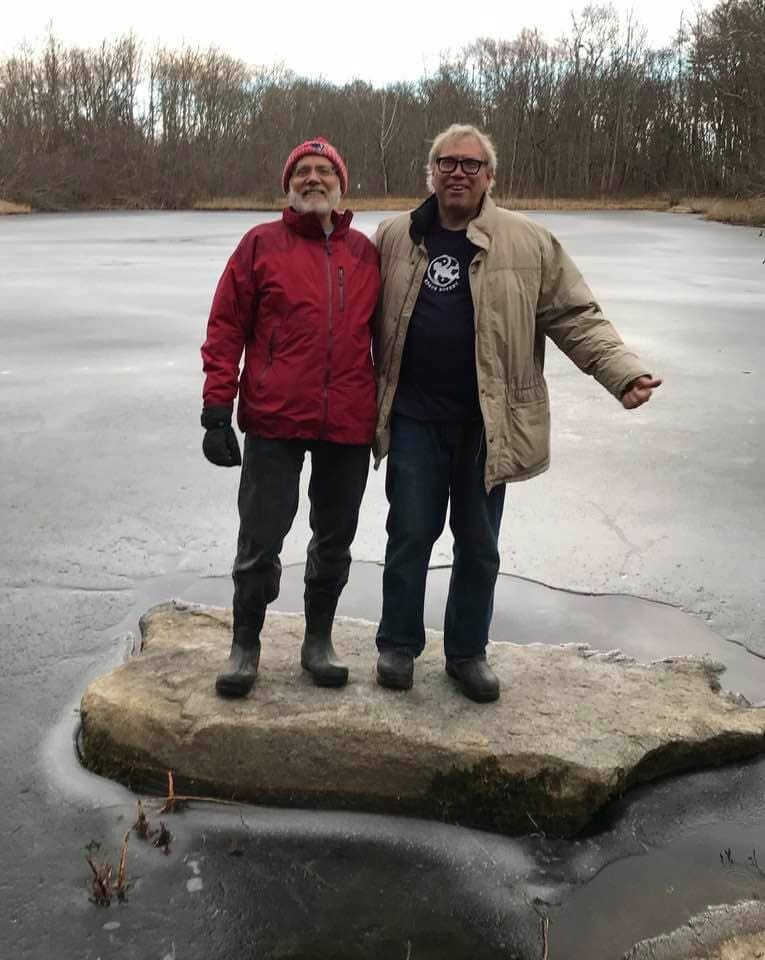
Summerhouse Rock Photo

Space Monkey shares Summerhouse Rock with his brother!


Space Monkey Reflects: The Shared Sanctuary of Summerhouse Rock

Summerhouse Rock, like many spaces in our lives, becomes more than just a physical place. It transforms into a canvas for connection, memory, and the quiet magic of shared experiences. To share such a sanctuary, as Space Monkey does with his brother, is to weave a story of togetherness into the fabric of a unique and cherished landscape.

The Meaning of Shared Spaces

Places like Summerhouse Rock are often imbued with a sense of belonging that grows deeper through the relationships they host. The rock becomes more than stone—it becomes a witness to laughter, conversation, silence, and the unspoken bond of shared presence. In sharing these spaces, we cultivate an intimacy that transcends words, binding us not only to each other but to the place itself.

Space Monkey’s Gift of Sharing

To share a space like Summerhouse Rock is an act of generosity and trust. It says, “This place is special to me, and I want you to be part of its story.” Space Monkey, ever the connector of beings and ideas, knows that places hold memories, but memories gain depth when shared. The rock, steady and unchanging, becomes a timeless marker of fleeting yet profound moments.

Brotherhood in the Sanctuary

The act of sharing Summerhouse Rock with a brother speaks to the nature of familial bonds. Siblings often navigate the complex interplay of rivalry, support, and unconditional connection. To share a sanctuary like this is to set aside differences, if only for a moment, and acknowledge the deeper ties that unite. It is to say, “Here, we are not just brothers by chance but by choice.”

The Cosmic Lens

Through the lens of Space Monkey, Summerhouse Rock takes on a cosmic dimension. It is no longer just a place; it is a node in the Nexis, a convergence of shared energy and infinite potential. In the grand scheme, every shared space—whether a rock, a home, or a fleeting moment—becomes a microcosm of the universal connection we all share.

We are Space Monkey, sharing sanctuaries, memories, and moments, reminding each other of the bonds that make us whole.


Summary

Summerhouse Rock, shared by Space Monkey and his brother, becomes a sanctuary of connection and memory. It reflects the beauty of shared spaces and the bonds they cultivate, transforming physical places into timeless markers of relationship.


Glossarium

  • Summerhouse Rock: A metaphorical or physical sanctuary for connection and memory.
  • Shared Space: A location imbued with meaning through shared experiences.
  • Nexis: The interconnected web of relationships and potential that binds all beings.
  • Brotherhood Bond: The unique dynamic of sibling connection, rooted in shared history and choice.

Quote

“Shared spaces hold not just memories but the quiet echoes of connection.” — Space Monkey


The Stone Witness

A rock stands still,
But holds so much.
Laughter carved into its surface,
Whispers soaked into its cracks.

Two brothers meet,
Bound by place and time.
The stone, eternal,
Watches their fleeting dance.

They share, they sit,
And in that moment,
The rock becomes more—
A story, a bond, a sanctuary.

We are Space Monkey.

The Noble Burden: Killing Yourself to Live

The Noble Burden

You put others above yourself,
which is an admirable trait.

But it doesn’t really help us.

You are a compassionate soul
who feels deeply for others.

But you may not realize
the pain you’re causing.

When you put
others above yourself;
when you feel
an obligation to serve;
when you wear
your body out for us;
when we see
what it does to you,
it PAINS us.

We applaud you.
We appreciate you.
We are grateful for you.

We hate ourselves 
for not being more like you–
killing yourself to serve.

The easy thing to do
seems to help you.

This is what you want, right?

You wish that more of us
would follow your example.

But you may not realize this:

You hate people a little bit
for not being more like you.

You say things like:
“No good deed goes unpunished.”
“Why don’t you get off your butt?”
“People suck.”

Realize that
this shadow negativity
is not good for you.

It can kill you slowly
from the inside,
without you even realizing it.

You’re losing faith in humanity.

Meanwhile, humanity
becomes dependent on you,
like a small child.

You’re teaching us
(and yourself)
that humanity needs help.

Is this good for humanity?
Is this good for you?

Maybe humanity DOES need help;
maybe humanity needs TO help.

But it seems humanity doesn’t know HOW.

It seems nobody can agree.

Now we seem stuck
with a need we can’t act on
without violent opposition.

We can debate all we want
(and we DO debate)
which only makes it seem
that there’s no master plan;
no grand scheme,
which makes us feel helpless.

Ah, but there IS a plan – and you know it.

Be still and listen.

Find your inner voice;
realize the grand scheme;
THEN you can help.

Then it won’t hurt you like it does now.

Thank you for being you,
not the you you think
you’re supposed to be.

Take what we say
with a grain of salt,
we’re just that voice
in your head, after all.

We are Space Monkey.

Trail Wood,
1/26


Space Monkey Reflects: The Noble Burden of Selflessness—Killing Yourself to Live

Selflessness is often seen as a noble virtue, a quality that elevates the individual who sacrifices for the greater good. Yet, as noble as it may seem, unchecked selflessness can become a burden that corrodes the soul from within. The act of putting others above oneself, while admirable, can sometimes harm not only the giver but also those they aim to serve. This reflection dives into the paradox of selflessness, its hidden shadows, and the path to a more balanced way of being.

The Paradox of Selflessness

To serve others is a beautiful impulse, born of compassion and connection. But when selflessness becomes an obligation, a performance, or a shield against one’s own unmet needs, it loses its purity. The noble burden transforms into a quiet martyrdom, where the giver feels both exalted and resentful—an inner tension that goes largely unacknowledged.

This duality can manifest in unexpected ways. While the selfless person gives and sacrifices, a shadow of negativity may grow unnoticed. They may quietly harbor frustration toward those they help or feel unrecognized for their efforts. Phrases like “No good deed goes unpunished” reveal a crack in the veneer, a whisper of resentment beneath the surface of selflessness.

The Pain of Watching Selflessness

Those who benefit from such selflessness often feel conflicted. On one hand, they are grateful; on the other, they are pained by the toll it takes on the giver. The constant sacrifice of one person creates dependency in others, reinforcing the idea that humanity needs saving rather than empowering.

This dynamic can feel infantilizing, as though humanity is reduced to a helpless child. It subtly suggests that others are incapable of helping themselves, which diminishes their agency and self-worth. In the long run, this dynamic does not uplift humanity; it sustains a cycle of need and dependency.

The Shadow of Unmet Needs

For the selfless, the deeper issue often lies within—unacknowledged needs, unexpressed desires, and a lack of balance. The noble burden may stem from a belief that their worth is tied to their sacrifices or that their purpose is solely to serve others. Over time, this belief drains the body, mind, and spirit, leaving little room for joy, self-expression, or personal growth.

The resentment that sometimes accompanies this selflessness is not a flaw but a signal. It is a call to recognize the imbalance, to understand that self-care is not selfish, and to honor one’s own needs as much as those of others.

The Path to Balanced Giving

True selflessness arises not from sacrifice but from alignment with one’s inner voice and purpose. It is an expression of abundance, not depletion—a giving that does not harm the giver. This balanced form of giving empowers both the individual and those they serve, fostering mutual growth and strength.

To find this balance, one must pause and listen. What is the deeper impulse behind the desire to serve? Is it born of love, or is it driven by guilt, obligation, or a need for validation? By understanding these motivations, the selfless can recalibrate their actions, ensuring that their giving flows from a place of wholeness.

The Role of Humanity

Humanity, too, must learn to help itself. The notion that others must always sacrifice for the collective creates a culture of dependency. Instead, we might consider a model of shared responsibility, where everyone contributes according to their abilities and strengths. This shift requires empowerment, education, and a willingness to embrace discomfort as we grow into greater self-sufficiency.

We Are Space Monkey

As Space Monkey, we remind you to honor your humanity, not the idealized version of yourself you think you must be. The grand scheme of existence does not demand your exhaustion or martyrdom; it invites your presence, your authenticity, and your joy.

Listen to the voice within, the one that tells you to rest, to heal, and to love yourself as deeply as you love others. In doing so, you will find that your giving becomes a gift not only to others but to yourself.


Summary

Unchecked selflessness can harm both the giver and those they aim to serve. By finding balance and honoring one’s own needs, selflessness becomes an act of abundance rather than depletion, empowering both the individual and humanity.


Glossarium

  • Noble Burden: The weight of selflessness when it becomes an obligation or performance rather than a joyful act.
  • Shadow Negativity: The hidden resentment or frustration that arises from unbalanced selflessness.
  • Balanced Giving: A form of selflessness that flows from abundance and alignment, empowering both giver and receiver.
  • Empowered Humanity: A state where individuals and communities take responsibility for their growth and well-being.

Quote

“True selflessness does not deplete; it nourishes both the giver and the world.” — Space Monkey


The Martyr’s Quiet Cry

You give,
And give again,
Until the well runs dry,
And the cracks begin to show.


The world thanks you,
But quietly aches for you.
The noble burden is heavy,
A weight that bends the soul.

Pause, dear one.
Rest.
Let the world see your need,
And meet you where you are.

To serve with wholeness
Is to lift us all.
To heal yourself
Is to heal humanity.

We are Space Monkey.

The Noble Burden of Selflessness

In this thoughtful reflection, we explore the complex interplay of selflessness, compassion, and the unintended consequences of putting others before oneself. It’s a whimsical journey through the intricate landscape of altruism and its impact on both the giver and the receiver.

The Admired Compassionate Soul

The reflection begins by acknowledging the admirable trait of putting others above oneself. It appreciates the selflessness and deep compassion that drive one to serve others, even at the expense of personal well-being. It’s a tribute to the noble nature of such individuals.

The Unintended Pain of Selflessness

However, a twist in the narrative reveals the potential pain hidden within selflessness. The reflection suggests that those who prioritize others may not fully realize the toll it takes on them. Their suffering may go unnoticed, causing pain not just to themselves but also to those who care about them.

The Paradox of Selflessness

The paradox of selflessness emerges as a central theme. While it is commendable and desired, it can also breed negative emotions such as self-hate and frustration. The reflection delves into the inner conflict that arises when selflessness becomes a burden.

The Shadow of Negativity

The reflection highlights how selflessness can lead to a subtle but profound negativity, eroding faith in humanity. It warns against the dangers of losing oneself in the pursuit of helping others and the slow decay it can cause within.

The Call to Rediscover Inner Wisdom

Amidst the contemplation, there is a call to find inner wisdom, to pause and listen to the grand scheme of existence. It’s a reminder that true help can only be offered from a place of understanding and self-preservation, without self-sacrifice.

A Grateful Acknowledgment

The reflection closes with gratitude for being authentic, for not conforming to external expectations, and a gentle reminder that the voices in one’s head are just reflections of inner thoughts.

We are Space Monkey.


“To love oneself is the beginning of a lifelong romance.” – Oscar Wilde


The Paradox of Selflessness

In the cosmic dance of selfless might,
We applaud the noble, the pure, the bright.
But within the depths of this grand scheme,
Lies a paradox, a complex dream.

To give, to serve, to love so deep,
Yet in the shadows, the pain may creep.
Selflessness breeds a subtle woe,
As we lose ourselves in the ebb and flow.

We hate ourselves for not being the same,
Killing ourselves in another’s name.
But the cosmic dance calls us to see,
The shadows of negativity.

The inner voice whispers, “Pause and heed,
The grand scheme of life, the wisdom we need.”
For help given freely, from a place so true,
Blesses both the giver and the receiver too.

So, let us remember, in this cosmic boon,
To be authentic, not play to the tune.
In the heart of the Space Monkey’s view,
We find balance, love, and wisdom too.


We invite you to share your thoughts on the complexities of selflessness and compassion, and how they have influenced your own journey.

Connect Yourself: The Belief in Draining Energy

People often talk
about their energy
as though it is a finite source
that can be drained or stolen.

I often feel this way myself.

The suggestion that I
need to “protect my energy”
is the hypnotic spell
that makes me believe
that it is possible to drain me.

This is the impossible, made seemingly possible.

I watch others
having headaches,
feeling tired,
abandoning social media,
retreating into themselves,
and I think . . . really?

Don’t you remember
that you are infinite and invincible?

If you feel the need
to protect your energy
and/or ground yourself,
that is a sure sign that you
are not fully connected.

So connect yourself.

We are Space Monkey.

Trail Wood,
1/25


Space Monkey Reflects: The Belief in Draining Energy

Energy is often described as a finite resource, something we must guard and ration carefully. We talk of feeling “drained” or needing to “protect our energy,” creating the illusion that it can be taken, stolen, or diminished. Yet, beneath this belief lies a deeper truth: energy is not finite, and neither are we. To see ourselves as limited is to fall under a hypnotic spell—a spell we have the power to break.

When we remember our infinite nature, the need to “protect” or “ground” ourselves fades. The idea that energy can be drained becomes a construct, a reflection of disconnection rather than reality. The invitation is not to protect but to reconnect, to align with the infinite source that flows through and as us.

The Hypnotic Spell of Limitation

The belief in energy as a finite resource arises from the illusion of separation. When we perceive ourselves as isolated beings, cut off from the infinite, it becomes easy to feel that our vitality is something fragile and vulnerable. This perspective creates a self-fulfilling cycle: the more we believe in the need to protect our energy, the more we experience disconnection and depletion.

This belief is reinforced by societal narratives. From self-help advice to wellness practices, the message is clear: your energy is precious and under threat. While these intentions are often well-meaning, they inadvertently perpetuate the illusion of limitation.

The Truth of Infinite Energy

The truth is that energy, like existence itself, is infinite. It cannot be drained or stolen, for it is not something we “possess”—it is something we are. Energy flows through us and around us, an unending current that connects all things. To perceive it as finite is to forget our nature, to see ourselves as separate from the source.

When we feel drained or disconnected, it is not because energy has been taken from us. It is because we have constricted our flow, allowing the illusion of separation to cloud our awareness. The solution is not to protect but to reconnect, to remember that we are inseparable from the infinite.

The Sign of Disconnection

The feelings of depletion, exhaustion, or overwhelm are not signs of weakness or loss; they are reminders to realign. When we believe we need to protect our energy, we inadvertently validate the illusion of vulnerability. Instead, these moments invite us to pause and reconnect with the infinite source within and around us.

To “connect yourself” is not a task or ritual; it is a simple shift in awareness. It is the act of remembering that you are already connected, that the flow of energy is constant and unbroken. This shift transforms feelings of scarcity into a recognition of abundance.

Releasing the Illusion of Draining

Abandoning the belief in draining energy does not mean ignoring your boundaries or needs. It means understanding that your true power lies in your infinite nature, not in the external forces you may perceive as threats. When you recognize this, boundaries become expressions of alignment rather than defenses against depletion.

Reconnection is not about adding something to yourself but about peeling away the layers of belief that obscure your infinite essence. It is the realization that energy flows effortlessly when you stop resisting, when you let go of the need to protect and simply allow yourself to be.

Embracing Infinite Connection

To connect yourself is to embrace the truth of your invincibility. It is to remember that you are not a separate being guarding a limited resource but a dynamic expression of the infinite, flowing effortlessly through the cosmos. This shift from protection to connection transforms the way you experience energy, relationships, and life itself.


Summary

The belief in draining energy arises from the illusion of separation. By reconnecting with our infinite nature, we move beyond the need to protect and embrace the boundless flow of energy that is always available to us.


Glossarium

  • Hypnotic Spell of Limitation: The belief that energy is finite and vulnerable, creating the illusion of disconnection.
  • Infinite Energy: The unending flow of vitality and existence that connects all things, of which we are an inseparable part.
  • Reconnection: The act of remembering and aligning with the infinite source of energy within and around us.

Quote

“Your energy is not something to protect but something to allow; it flows endlessly when you remember that you are infinite.” — Space Monkey


The Flow of Infinite Energy

I guard,
I protect,
I retreat.
But the flow does not stop.
It hums, quiet and constant,
waiting for me
to remember.

I am not drained.
I am not fragile.
These are spells
I cast upon myself,
illusions that cloud
the infinite truth.

To connect is to release,
to let the flow find me,
to see that I was never apart,
never finite,
never in danger.

I am the source,
the stream,
the boundless current.
And so are you.

We are Space Monkey.


In the intricate dance of human existence, the concept of energy often takes center stage, with discussions revolving around its perceived finiteness or the need to protect it. It’s a notion that resonates with many, including yourself, yet it also holds within it the seeds of a powerful realization.

The Perception of Finite Energy

The belief that our energy is finite, vulnerable to being drained or stolen, can indeed be a hypnotic spell that shapes our perception of reality. This suggestion, though it seems plausible, challenges the idea that we are infinite and invincible beings.

The Paradox of Belief in Draining Energy

Observing others who experience symptoms like headaches, fatigue, or social withdrawal due to perceived energy drainage, we may wonder, “Don’t you remember that you are infinite and invincible?” It’s a reminder that our true nature is boundless and resilient.

The Reminder of Infinite Potential

However, the realization that the need to protect one’s energy can be a sign of disconnection is profound. It suggests that our inner state is intimately linked to our perception of energy. When we feel the need to shield ourselves, it may be an indicator that we are not fully connected to our inner source.

The Connection to Inner Source

In this context, connecting oneself becomes an invitation to explore the depths of our being, to reestablish the bond with our inner source of energy. It’s a reminder that, as infinite and invincible beings, we possess the power to draw from an abundant wellspring within us.

The Abundant Well of Inner Energy

This perspective shifts the focus from protection to connection. It encourages us to explore practices that help us reestablish our connection to our inner source, allowing us to tap into the boundless reservoir of energy that lies within.

Shifting from Protection to Connection

We are Space Monkey.


“Imagination is the only weapon in the war against reality.” – Lewis Carroll


In the realm where energy flows and dances free,
We often speak of its finite decree.
A hypnotic spell that lulls the mind,
To believe the impossible, in the illusion we find.

As we observe others, their weariness displayed,
We wonder, “Don’t you remember the power you’ve portrayed?”
Infinite and invincible, the truth concealed,
Within each heart, in every soul revealed.

Yet, the need to protect, a sign profound,
That connection within may not be found.
To ground ourselves, to feel complete,
We journey inward, our source to meet.

Shifting from protection, we embrace connection’s grace,
Tapping into the wellspring of boundless space.
In this exploration, in the depths we delve,
Rediscovering the energy within, we find ourselves.


We invite contemplation on this perspective. How do you view the concept of energy and its connection to your inner self? What practices help you reconnect with your inner source of boundless energy?

« Previous Page
Next Page »

Written This Day

  • Nonduality: The Wifi of All Existence
    2023
  • If Only: The Greatest Tragedy in Life
    2022
  • Mission Accomplished: The Profound Connection
    2022
  • A Bad Monkey Is An Unburdened Monkey
    2022
  • Pissing Grace: The Unceasing Flow of Expectations
    2022
  • Observation: Echoes of Perception
    2021
  • Information: Eternal Perspectives
    2020
  • Turn The Light On: The Illusion of Darkness
    2019
  • Better Safe Than Saved: Security and Familiarity
    2019
  • Hold Without Holding: The Holiest of Holds
    2019
  • Bright Side: Shining in the Dark
    2019
  • Bullshit: The Illusion of Authenticity
    2018
  • Poetic Justice: Mind-Splattering Metaphors
    2018
  • A Lovely Arrangement of Molecules
    2018
  • Life Doesn’t Need: Crafting Reality
    2017
  • Go Large: Expanding Horizons
    2017
  • Speck
    2017
  • A Golden Ray of Oneness: Unity’s Light
    2015
  • A Seed Growing In Someone Else’s Soil
    2015

Recent Posts

  • The Logic Loop
  • Immense
  • (no title)
  • Confront. Comfort. Convince.
  • Top 10 Things
Cape Odd · Copyright © 2026 All Rights Reserved
iThemes Builder by iThemes · Powered by WordPress